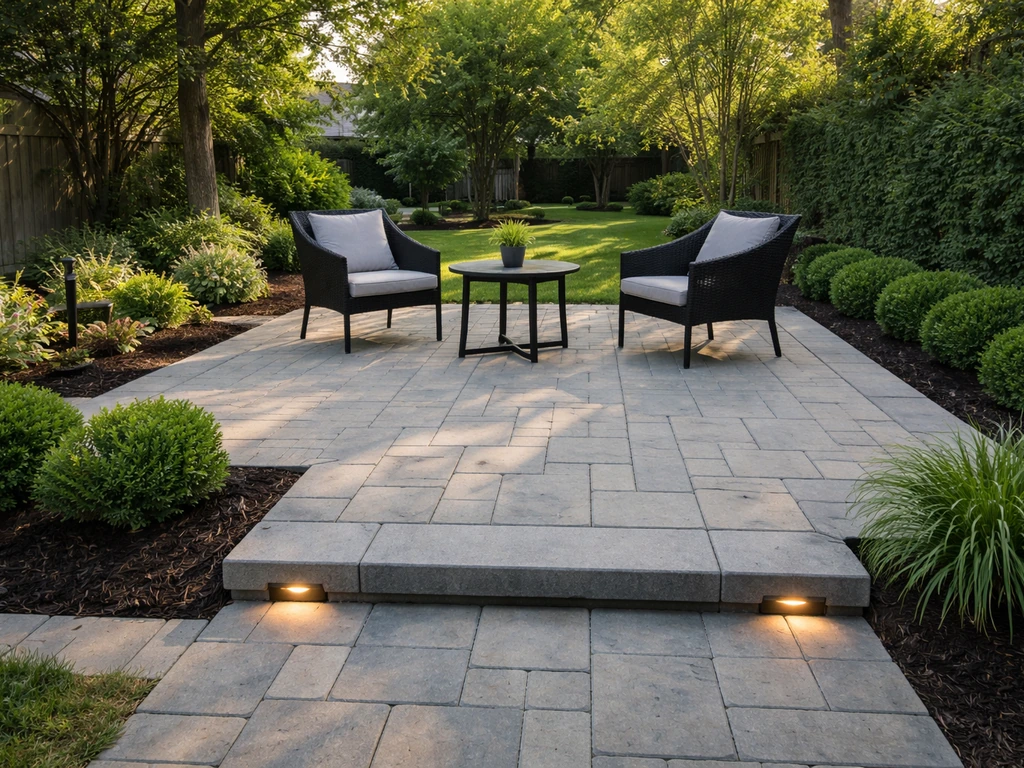
Benjamin Moore Floor & Patio Low Sheen Enamel is a solid choice for painting concrete patios, porches, and basement floors, but it only performs well when you do the prep work correctly. Skip the etching step on smooth concrete, rush the cure time, or apply it over a dirty surface, and you will be scraping and repainting within a year. Get the prep right and it covers 450 to 600 square feet per gallon, holds up to foot traffic, resists soaps and grease, and gives you a clean, low-gloss satin finish that looks intentional rather than shiny.
Benjamin Moore Floor and Patio Paint Review: Pros, Cons

Vera Grady
29 Apr 2026
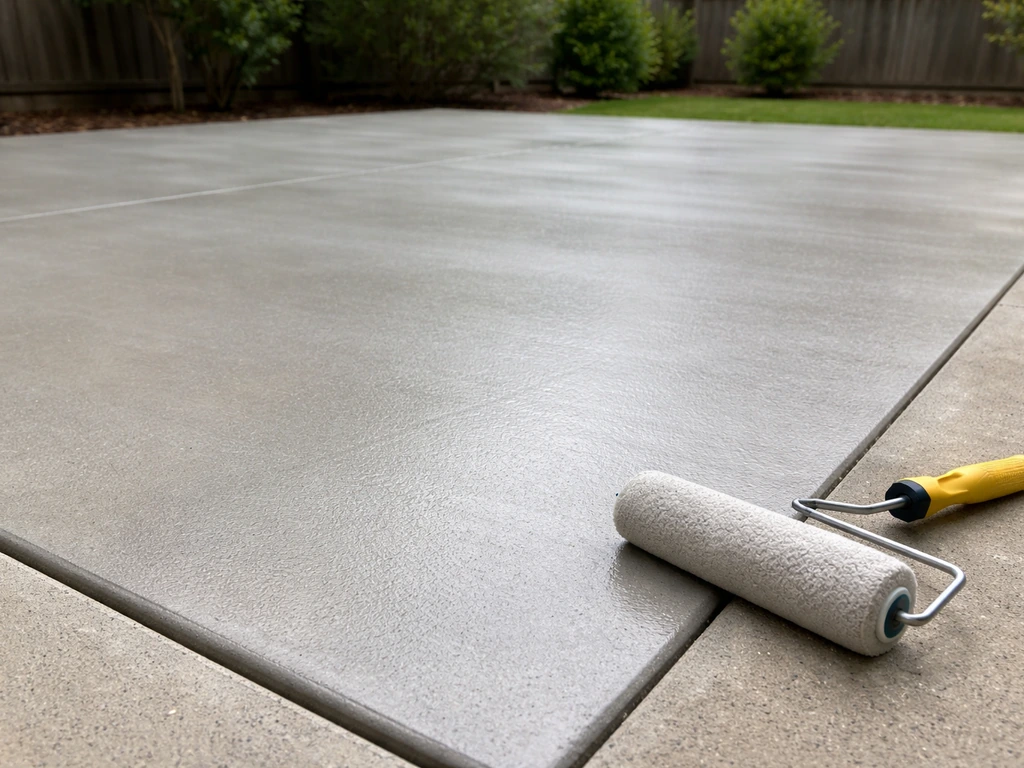
What Benjamin Moore Floor & Patio paint actually is
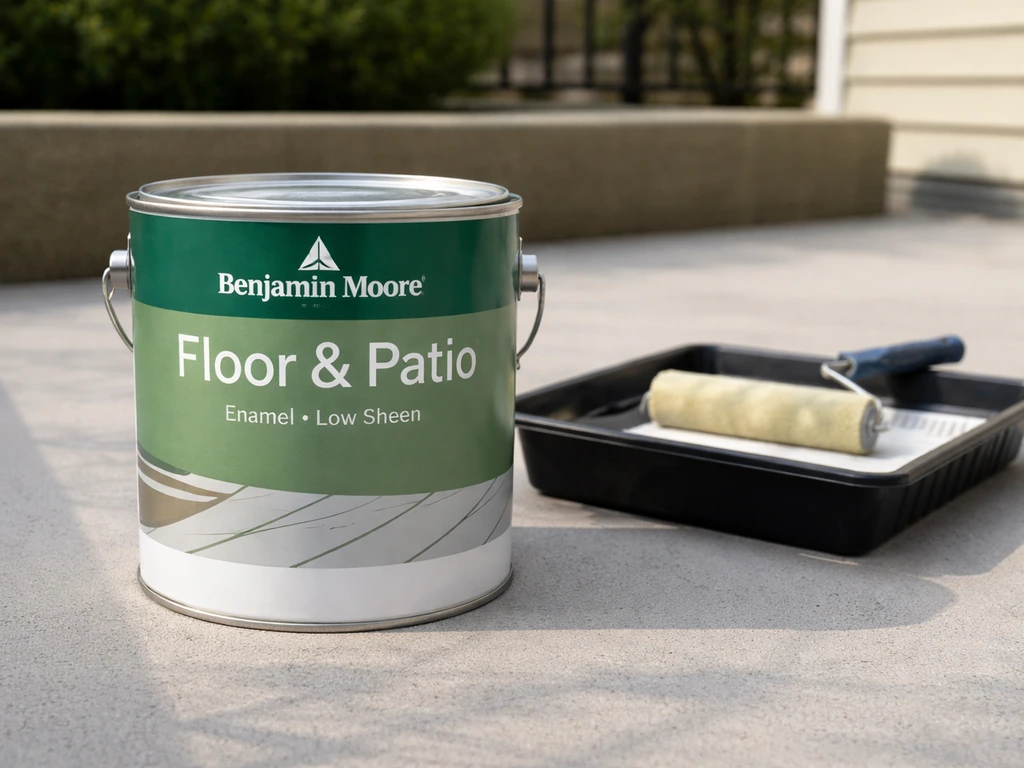
Benjamin Moore Floor & Patio is a line of interior and exterior floor coatings. The version you will most often see recommended for outdoor patio use is the Floor & Patio Latex Enamel Low Sheen, sold under product codes N122 and W122. Both are epoxy-modified acrylic latex coatings, which means they combine the flexibility and easy cleanup of latex with a harder, more wear-resistant finish than standard wall paint. The epoxy modification is what gives the enamel its ability to bond to concrete and resist surface marring.
The 'low sheen' part matters more than most people realize. Benjamin Moore measures the gloss at 60 degrees and the result falls between 10 and 25, which puts it in satin territory. It is definitely not flat, but it is nowhere near a high-gloss porch paint. On a concrete patio, that sheen level looks clean and finished without screaming 'I painted this.' On wood porches, it reads as a soft satin. Either way, it is a practical finish that hides minor surface texture variations better than a true gloss would.
The product is officially intended for concrete (new or previously painted), wood floors, porches, patios, basements, breezeways, and light industrial applications. It is not a driveway coating and is explicitly not recommended for surfaces that see vehicle traffic. Keep that boundary in mind before you buy.
Coverage, durability, and what to realistically expect
The official spread rate is 450 to 550 square feet per gallon per the W122 technical data sheet, and the product page lists 500 to 600 square feet per gallon. In practice, expect the lower end of that range on rough or porous concrete and the higher end on previously painted or smoother surfaces. The TDS recommends one to two coats, and two coats is almost always the right call for an exterior patio that will see regular foot traffic and weather exposure.
Durability is the section where honest review aggregation gets messy. Benjamin Moore's own data describes a hard enamel that resists soaps, detergents, grease, and oil. Real-world reports from homeowner communities, however, show a clear pattern: when this paint fails early, it almost always traces back to surface prep failures, not product failures. Coating applied to surfaces not fully clean, surfaces not etched, glossy areas not dulled, or peeling areas not feathered out will peel again, usually within the first year. Users who report good long-term results consistently describe thorough prep as the difference.
On properly prepped concrete, you can reasonably expect three to five years of serviceable life before needing touch-ups, depending on climate, sun exposure, and traffic volume. That is a reasonable lifespan for a latex floor enamel at this price point, comparable to other patio floor coatings in the same category.
Prep, application, and drying times: the details that actually matter
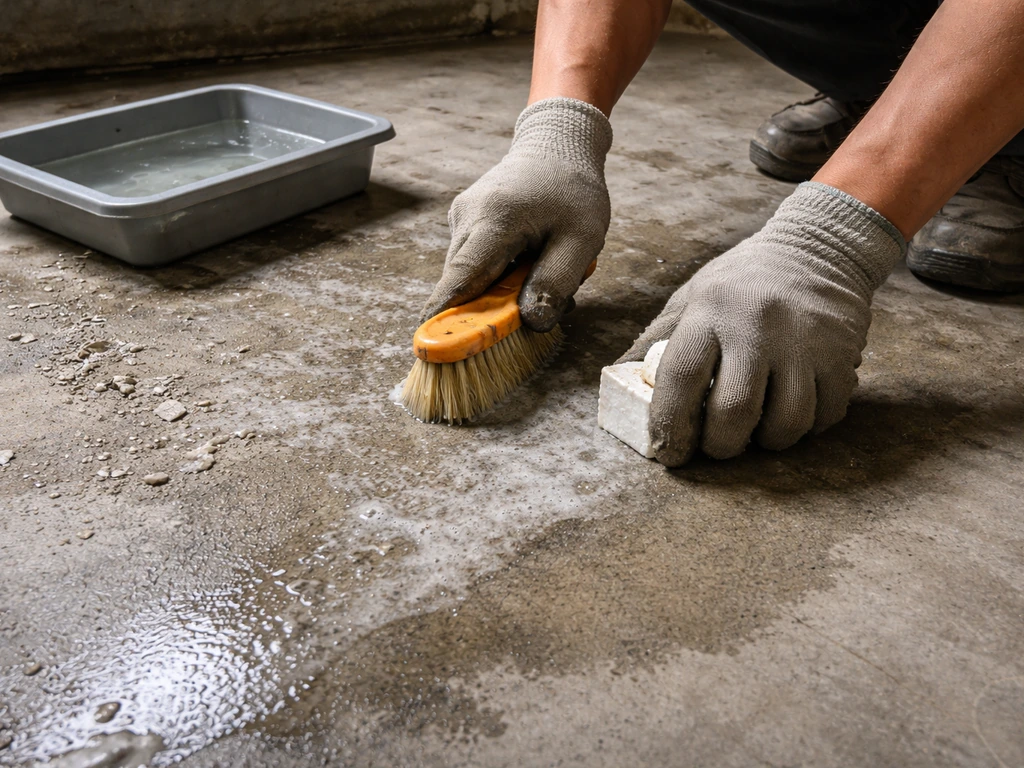
Surface prep (do not skip any of this)
The N122 technical data sheet is specific about what 'clean' means, and it is more involved than a quick sweep. The surface must be free of dirt, dust, grease, oil, soap, wax, mildew, water-soluble materials, and any scaling or peeling paint. Every one of those contaminants is a potential adhesion failure point.
- Remove all peeling or scaling paint and sand the edges to feather them smooth into the surrounding surface.
- Dull any glossy areas by sanding so the new coating has something to grip.
- If you have new masonry, let it cure for a full 30 days before coating. Rushing this step causes delamination.
- For smooth poured or precast concrete, etch the surface with Benjamin Moore Concrete Pretreatment & Etch or a 10% muriatic acid solution. Rinse thoroughly and let the surface dry completely before painting.
- Remove all powder or loose particles from the etched surface before applying the first coat.
- If you are painting bare wood or engineered wood products, use Benjamin Moore Fresh Start high-hiding all-purpose primer as an undercoat first.
Application tools and conditions
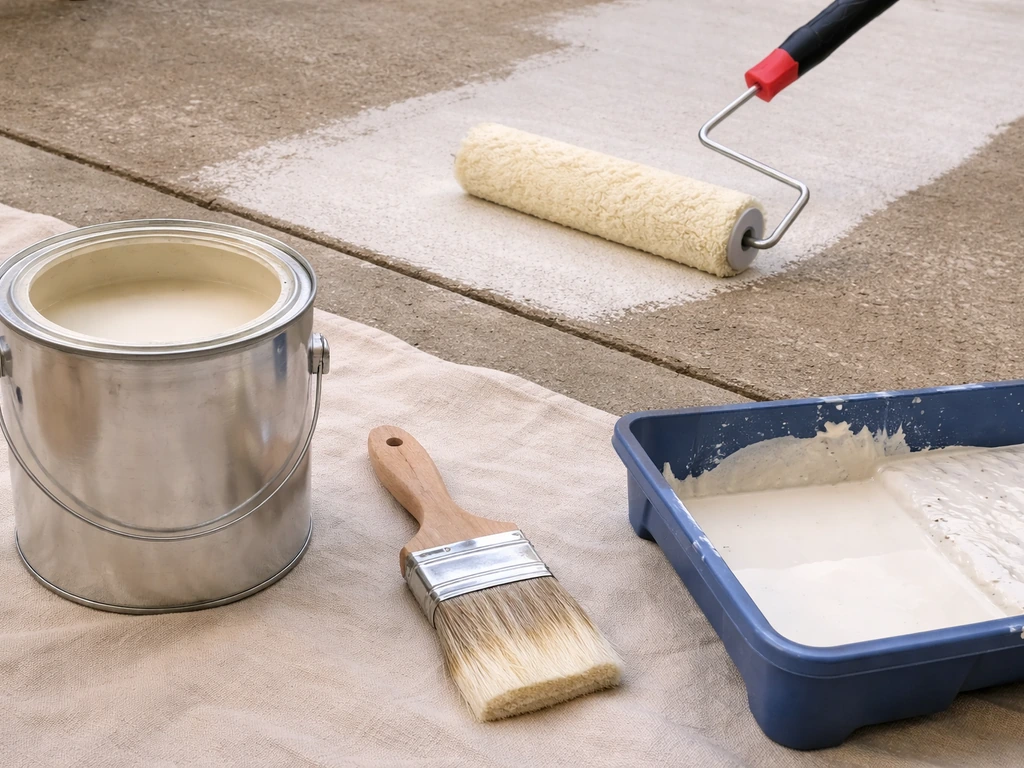
Apply with a quality synthetic brush, a short or medium nap roller, or an airless sprayer. For most homeowners painting a patio, a 3/8-inch nap roller is the practical choice: it gives you enough texture to work the paint into minor surface irregularities without leaving excessive roller texture. If you spray, the N122 TDS specifies airless parameters of 1,500 to 2,500 psi with a 0.013 to 0.015 tip.
Temperature matters. Do not apply when air or surface temperature is below 50 degrees Fahrenheit (10 degrees Celsius), and keep it under 90 degrees Fahrenheit on the high end. Painting on a hot, sunny afternoon when the concrete is radiating heat will hurt film formation. Early morning application in moderate temperatures is the sweet spot.
Dry and cure times
These numbers are at 77 degrees Fahrenheit and 50% relative humidity. Cool or humid conditions push every window out significantly, so do not treat these as hard deadlines in spring or fall weather.
| Stage | Time (77°F / 50% RH) |
|---|---|
| Dry to touch | 1 hour |
| Recoat window | 4 hours |
| Light foot traffic | Overnight |
| Heavy foot traffic | 5 to 7 days |
| Surface washable | 2 weeks |
The heavy foot traffic window is the one people most commonly ignore. Letting furniture and normal traffic back onto a fresh coat within a day or two is one of the most consistent causes of early wear and surface damage reported in homeowner discussions. Wait the full five to seven days, even when the surface feels completely dry to the touch.
How the low-sheen finish looks and holds up over time
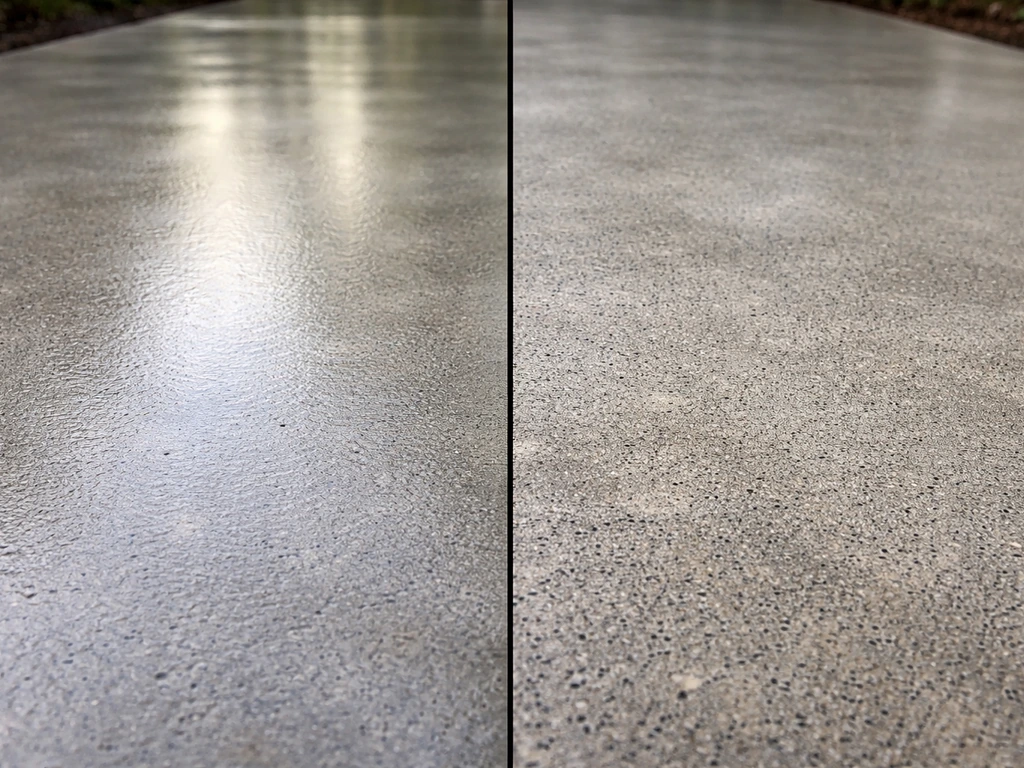
At 12 to 20 gloss units at 60 degrees, the finish sits firmly in satin range. On a concrete patio, this looks like a clean, slightly reflective surface that reads as painted but not plasticky. UV exposure will reduce gloss over time outdoors, which means after a season or two the finish will settle toward the flatter end of its range. That is not a defect, it is just how outdoor acrylic latex behaves under sun exposure. The color will fade somewhat as well, more noticeably in darker shades.
One practical note on slip resistance: Benjamin Moore's own documentation acknowledges that all floor coatings can become slippery when wet. If your patio gets rain exposure or is near a pool, seriously consider adding an anti-slip aggregate to the coating before you apply it. This is an easy step that many homeowners skip, then regret after the first wet season. If slip resistance is a priority for your project, it is worth comparing how different patio surfaces handle this. Teak patio flooring, for example, handles wet traction very differently than a painted concrete surface. Teak patio flooring reviews often highlight how natural wood and finish choices affect wet traction, durability, and upkeep compared with painted concrete.
Real-world pros and cons from user reviews
Pulling together the common threads from homeowner forums and DIY communities, here is what people consistently report about this product:
What people like
- Good coverage per gallon, especially on previously painted surfaces where 500+ square feet per gallon is achievable.
- The satin finish looks professional and holds color better than flat porch paints.
- Resistance to soaps, grease, and cleaning products means the surface washes cleanly without dullling.
- Epoxy-modified formula provides a noticeably harder surface than standard exterior latex paint.
- Tintable to custom colors, which makes it more versatile than products limited to a narrow palette.
- When prep is done correctly, adhesion is strong and long-lasting, with users reporting several years of wear before needing touch-ups.
Recurring complaints and red flags
- Peeling within the first year is the most common complaint, almost universally linked to skipped or inadequate prep: no etching on smooth concrete, painting over glossy areas, or not removing loose paint.
- Slippery when wet, especially on exterior surfaces. Users frequently mention this is a surprise, but it is disclosed in the official documentation.
- Chipping on high-traffic edges such as patio steps or thresholds where the concrete profile is thin.
- Longer-than-expected cure time catches people off guard, with some users reporting tackiness that persists in high humidity or cool temperatures.
- Not suitable for pavers or heavily textured surfaces where film thickness is hard to control uniformly.
- Performance drops sharply on surfaces that were not properly etched or primed, creating uneven adhesion across the same project.
Where this paint works best (and where to look elsewhere)
Benjamin Moore Floor & Patio Low Sheen Enamel is a strong fit for a specific set of use cases. Match your project to this list before buying:
| Surface / Use Case | Fit | Notes |
|---|---|---|
| Concrete patio (previously painted) | Excellent | Self-priming; clean and dull existing coat first |
| Concrete patio (new, smooth poured) | Good with prep | Must etch surface before application |
| Concrete basement or garage floor (foot traffic only) | Excellent | Ideal use case per TDS |
| Wood porch floor | Good with primer | Use Fresh Start primer on bare wood first |
| Covered porch or breezeway | Excellent | Reduced UV and weather exposure extends life |
| Concrete steps or patio edges | Fair | High wear zones; expect more frequent touch-ups |
| Brick or natural stone pavers | Poor | Uneven film build; adhesion issues likely |
| Driveway or vehicle traffic areas | Not recommended | Explicitly excluded per product limitations |
| Pool deck with frequent wet exposure | Fair with additive | Add anti-slip aggregate; check chemical resistance separately |
If you are considering a full patio renovation rather than just a paint refresh, it is worth thinking about how this product fits into a bigger picture. Deck and patio contractors, like those reviewed through services covering companies in places like Maryland or Michigan, often have opinions on which coatings hold up in specific regional climates and on specific substrates.
If you are looking for deck and patio company reviews, compare contractor experience with how they handle surface prep and weather-specific durability. Deck and patio contractors in Maryland can also share firsthand results from their projects, which is why Maryland deck and patio reviews are often the quickest way to gauge likely durability.
If you are also comparing decking and overhead coverage options, these fraser decks and patio covers reviews can help you sanity-check what contractors and materials hold up best. If you are reading Michigan deck and patio doctors reviews, it can also help to compare contractor experiences with the kind of prep and coating that works best in your climate. Getting a contractor's read before committing to a product on a large patio surface can save you a repaint.
If your main concern is a decorative accent project on concrete (a planter base, a small stepping stone area), a product like DecoArt Patio Paint is positioned more toward that end of the market, while Benjamin Moore Floor & Patio is aimed squarely at durable floor coverage. They are solving different problems.
The bottom line: is it worth it?
Benjamin Moore Floor & Patio Low Sheen Enamel earns its reputation as a reliable patio and porch floor coating, but only if you treat the prep work as non-negotiable. Etch the concrete, feather out any peeling areas, dull glossy spots, and wait the full cure time before loading the surface with furniture and foot traffic. Benjamin Moore’s Concrete Pretreatment & Etch is described as a pretreatment for removing laitance and for etching bare concrete [Etch the concrete](https://www. benjaminmoore.
com/en-ca/product/concrete-etch/CL-0300). Do those things and you get a hard, cleanable, good-looking satin floor that will last several seasons. Skip any of those steps and you will be back to square one before the year is out. The product is not the problem in most failure cases; the preparation is.
Benjamin Moore's Fresh Start primer is a key option in its primer system for preparing surfaces before topcoating Fresh Start primer in Benjamin Moore’s primer system.
FAQ
Can I use Benjamin Moore Floor & Patio paint on garage floors, or does it void the warranty?
It is intended for concrete floors and patios, but it is explicitly not recommended for vehicle traffic. Even if you can technically cover the surface, repeated tire contact and oil exposure are a different wear category than foot traffic, so you should not treat it as a garage coating substitute.
Do I really need to etch concrete, and what if the slab is already smooth or sealed?
If the concrete is smooth, homeowners sometimes skip etching, but that choice is a major factor in early peeling reports. If the slab is sealed, etching alone may not be enough, you need a system that can properly break the sealer surface to allow bonding, otherwise the enamel can release.
What’s the safest way to clean the patio before painting, beyond sweeping and pressure washing?
The product needs the surface free of grease, oil, wax, soap, mildew, and other water-soluble materials. A practical approach is detergent degreasing and thorough rinsing, then addressing any mildew before coating, because leftover residues are adhesion failure points even if the concrete looks clean.
How should I handle peeling paint or flaking concrete areas before coating?
Do not paint over loose material. Feather out edges of any peeling areas until you have solid, stable edges, then clean again. If you leave a lifting perimeter, the new film will bridge and eventually detach in the same zone.
Is it better to use a roller or brush for patios, and will roller texture ruin the look?
A 3/8-inch nap roller is usually the most practical for small-to-medium patio surfaces, because it helps the paint wet into minor texture without heavy roller ridges. Brushwork is fine for edges and detail areas, but switching tools mid-coat can leave visible texture differences.
Can I apply this in colder or damper weather, like early spring or late fall?
You can plan around it, but do not apply when air or surface temperature is below 50°F, and be cautious in high humidity. The stated cure and film formation windows assume specific conditions, in cooler or very humid weather you should expect longer cure and a higher chance of early surface damage if you load the surface too soon.
How long until I can walk on it, and when is it fully cured for heavier traffic?
Even if the surface feels dry quickly, you should wait about five to seven days before heavy foot traffic and furniture loading. Many premature wear complaints come from returning to normal use after only a day or two.
Will it be slippery when wet, and what anti-slip options work best?
Wet traction is a known issue with floor coatings. If your patio sees rain, is near a pool, or you want better traction, add an anti-slip aggregate before applying the paint, then follow a consistent broadcast and mix-in method so texture is even rather than patchy.
How many coats should I do on previously painted concrete versus bare concrete?
Two coats is usually the right call for exterior patio use. Previously painted, smoother surfaces can cover faster than rough or porous concrete, so if you are still seeing light through or uneven tone after the first coat, plan for a second rather than trying to stretch coverage.
How does the satin sheen change over time, and will the paint look patchy after UV exposure?
The sheen typically settles toward the flatter end as UV reduces gloss, and color fade can be more noticeable in darker shades. If you want the most uniform long-term look, keep the coats even and avoid partial recoating spots that differ in age and film thickness.
Next Article
Patio Design Laval Reviews: How to Compare Contractors
Learn how to evaluate patio design Laval reviews, compare contractors, and vet quotes with red flags and checklists.