
When you search for patio design reviews, you're really trying to answer one question: will this contractor or retailer actually deliver what I'm picturing in my backyard, on budget, without a nightmare? The answer is in the details buried inside those reviews, not the star rating on its own. A 4. 8-star average means nothing if every written comment mentions vague timelines, surprise change orders, or polymeric sand that turned white after the first rain.
My Patio Design Reviews: How to Spot Real Quality Fast

Vera Grady
9 Jul 2026
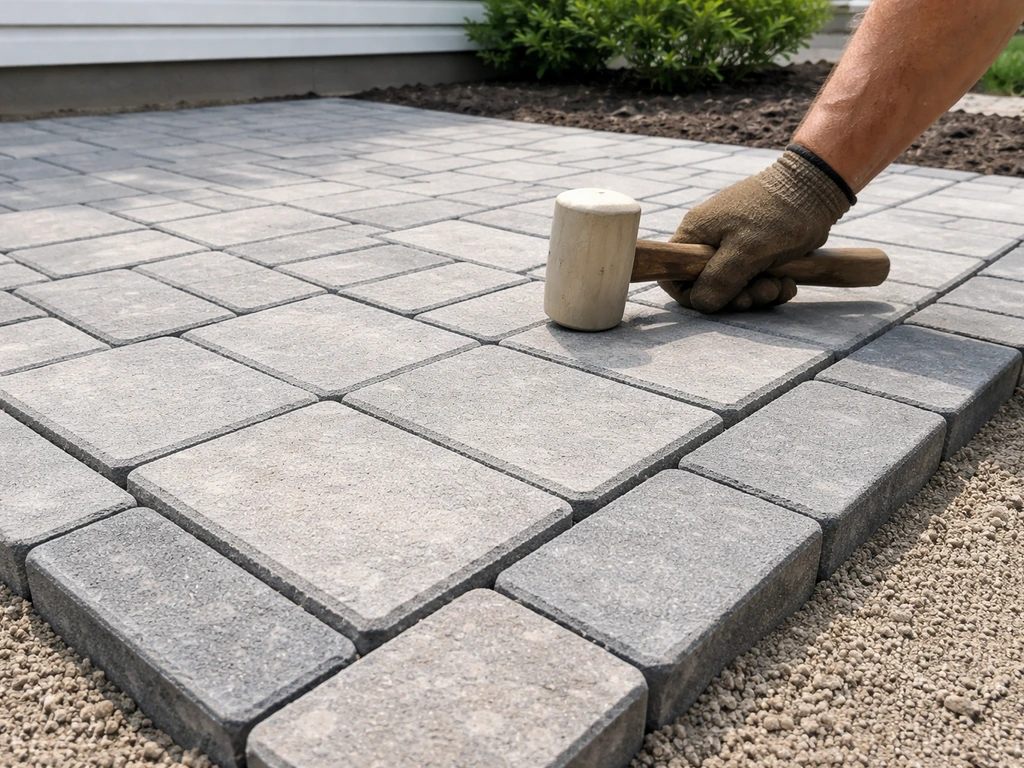
This guide walks you through how to read patio design reviews the way a contractor would read a project scope: critically, systematically, and with specific things to look for. To quickly narrow down options, focus on better patio reviews that repeat the same details about materials, timelines, and jobsite communication.
How to use patio design reviews to make a real decision
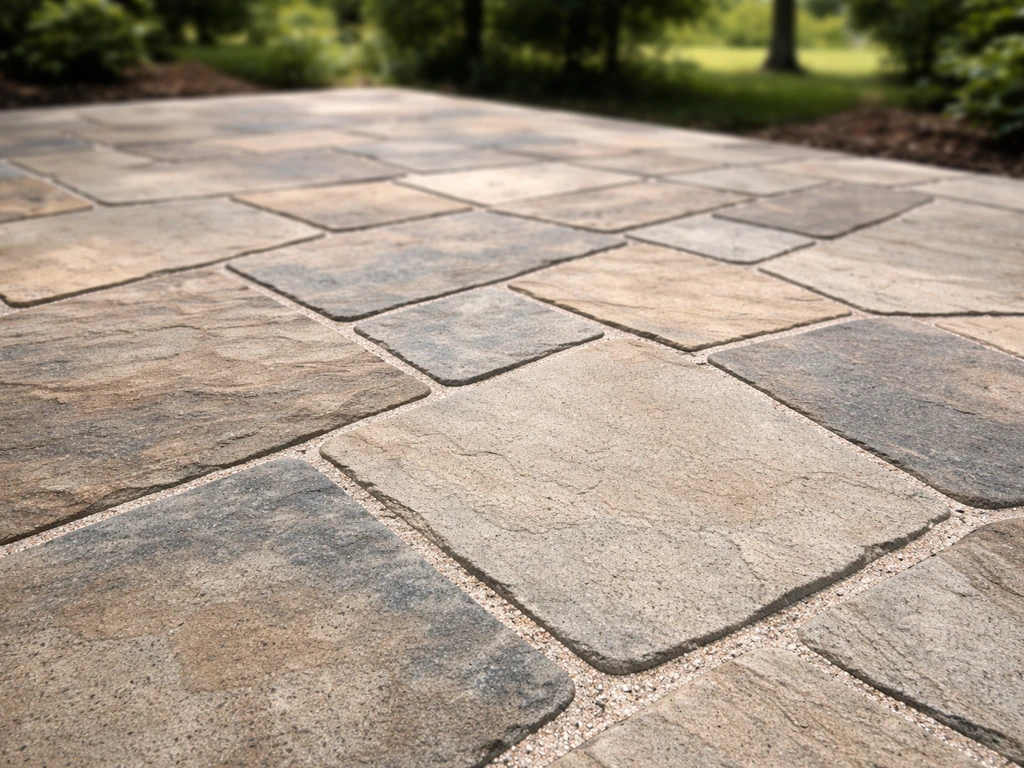
Patio design reviews are most useful when you treat them as a pattern-recognition exercise rather than a scorecard. A single five-star review from someone who loved their flagstone pathway tells you almost nothing. Fifty reviews across Google, Angi, Houzz, and a dedicated outdoor living review aggregator, where you start seeing the same phrases repeat, tells you everything.
Start by filtering reviews to your project type. If you're planning an outdoor kitchen with a paver patio and string lighting, skip the reviews about simple concrete slabs and look specifically for comments that mention multi-element projects, phased installs, or electrical work. Angi uses a consumer verification process and flags duplicate submissions from the same homeowner on the same job, which gives that platform a baseline credibility edge for cross-checking. That said, no platform can catch every issue, and even large review samples can miss complaints filed elsewhere, such as with a state contractor licensing board or the BBB.
A practical approach: pull reviews from at least three sources (Google, Angi or Houzz, and your local BBB page) for any contractor you're seriously considering. Look for narrative consistency across all three. If the Google reviews praise communication but the BBB page shows two unresolved complaints where the company replied but never actually fixed the problem, that gap is the real signal. BBB distinguishes "unresolved" as cases where a business responded but failed to make a good-faith effort at resolution. That's a different category from a resolved dispute, and it matters.
If you've come across reviews for companies like Distinctly Patio, Better Patio, My Patio, or My New Patio in your research, applying this same multi-source cross-check works equally well for evaluating those specific providers. The method doesn't change based on the company name.
What to look for in credible patio contractor reviews (and photos)
Credible reviews describe process, not just outcome. A reviewer who says "they excavated about 8 inches, compacted the base in two lifts, set the edge restraints before laying any pavers, and came back to activate the polymeric sand properly" has clearly watched the work happen and knows what they're describing. That review is worth ten that say "they did a great job and it looks amazing."
Here's what technically informed reviews tend to mention, and what those details signal:
| Review Detail Mentioned | Why It Matters |
|---|---|
| Excavation depth and subgrade compaction | Shortcuts here cause settling and heaving within 2-3 years |
| Base aggregate compaction in lifts | Single-pass compaction is a common cut-corner that leads to uneven surfaces |
| Edge restraints installed before pavers | Skipping this causes paver migration and joint widening over time |
| Polymeric sand activated correctly (water, compaction, clean joints) | Wrong activation causes white surface residue, crumbling joints, or washout |
| Drainage slope mentioned or graded | Proper drainage is a permit requirement in many jurisdictions and prevents water damage |
| Permits pulled and inspections passed | Legitimate projects in most North American municipalities require permits for hardscaping above certain thresholds |
| Electrical work met GFCI requirements | NEC 2023 Section 210.8 requires GFCI protection on outdoor outlets; missing this is a safety and code issue |
| Timeline matched the written contract | Timeline accuracy reflects planning quality and honest scoping |
Photos in reviews deserve their own scrutiny. Look for before-and-after shots that show the base layers, not just the finished surface. Clean joint lines, consistent spacing, and tight cuts around obstacles like posts or drain covers indicate skilled installation. Conversely, photos where pavers are visibly misaligned, joints are overfilled with a white sandy residue, or edges are crumbling suggest rushed or undertrained crews. If a contractor's portfolio only shows glamour shots of the finished surface from one flattering angle, that's worth noting.
Red flags and recurring problems to watch for
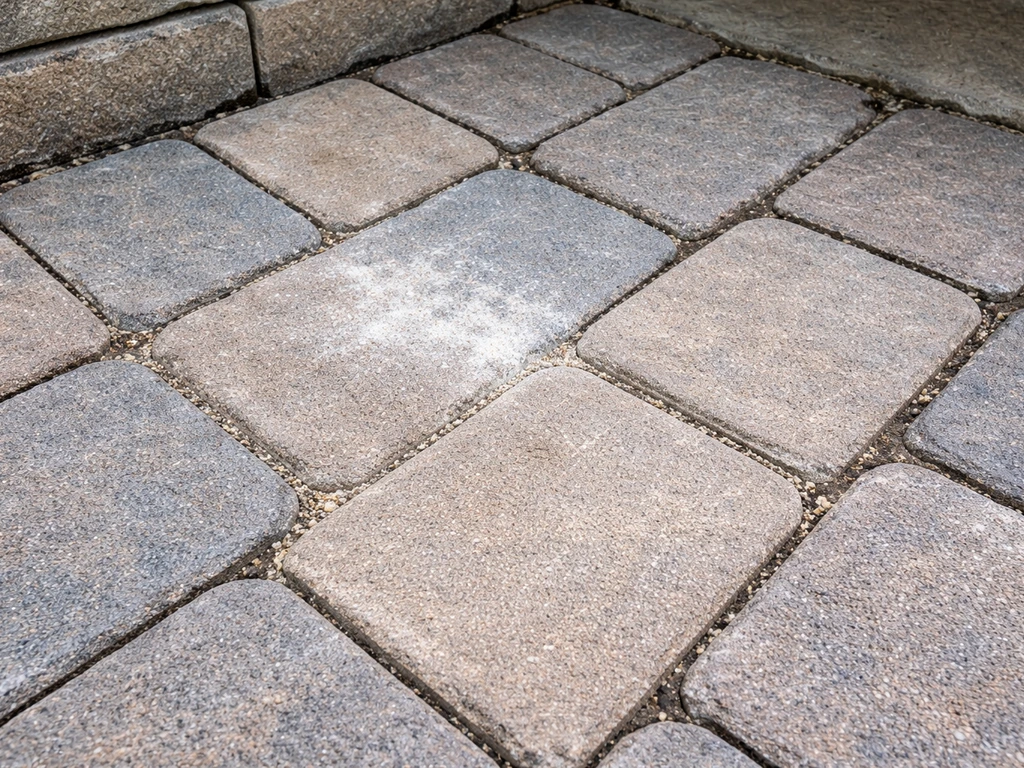
Some problems show up in reviews repeatedly enough that they've essentially become a pattern catalog for patio installs gone wrong. Knowing these patterns helps you filter faster.
- Polymeric sand issues: White film, surface residue, or joints that washed out after the first heavy rain are almost always caused by overfilling, insufficient compaction, or incorrect water activation. Reddit hardscaping communities document this pattern constantly, and it's one of the most common post-install complaints.
- Drainage problems that weren't addressed upfront: If multiple reviews mention pooling water near the house foundation or a patio that floods in heavy rain, the contractor likely skipped proper grading. Drainage should appear in the design scope, and in many jurisdictions (including cities like Orlando and jurisdictions following the Vok.org-style hardscape permit checklist), a grading plan is required documentation.
- Permits never pulled: Reviews that mention HOA rejections, neighbor complaints, or requests to tear out work after completion often trace back to unpermitted projects. Any contractor who discourages permits to "save time" is a red flag.
- Vague or verbal-only change orders: When reviewers say "the price kept going up and I never saw anything in writing," that's a contract management failure. Legitimate change orders should be documented and signed before work proceeds.
- Large upfront payment demands: California's CSLB explicitly warns that down payments shouldn't exceed $1,000 or 10% of the contract price. Contractors demanding 50% or more upfront, especially before any materials are ordered, are a known risk pattern.
- Warranty claims denied or ignored: If a company's BBB page shows complaints where the homeowner requested warranty service and the company stopped responding, that's an "unresolved" pattern. One instance might be an outlier; three or more is a policy.
- No license or insurance verification offered: NARI and virtually every contractor hiring checklist agrees on this. If a contractor resists providing their license number and proof of general liability and workers' comp, move on.
One nuance worth flagging: a contractor with zero negative reviews isn't automatically more trustworthy than one with a few resolved complaints. A company that responded quickly, fixed the problem, and received a follow-up positive comment from the same reviewer is actually showing you something valuable: they handle problems professionally. That's often more reassuring than a spotless record on a platform with very few reviews total.
How to compare bids and project scopes using review insights
Never compare bids by price alone. Two quotes for the same patio can differ by $8,000 and both be entirely reasonable, depending on base depth, material grade, drainage engineering, and whether permits are included. FHWA’s Pavement Notebook emphasizes that drainage and concrete pavement system design are central technical considerations, supported by permeable interlocking concrete pavement resources and related specifications drainage engineering. Reviews help you decode what's actually inside each bid.
Get at least two to three written estimates for the exact same scope. "Written" is non-negotiable: NARI explicitly advises moving on from any contractor who refuses to provide written estimates and clarification. Once you have the bids, use review patterns to interrogate each one.
- Check whether the bid specifies base depth and material. Reviews of quality work on similar projects typically mention 6-8 inch compacted aggregate bases. A bid that just says "base preparation included" without specs is a gap.
- Look for drainage language. Does the bid mention grade slope, French drains, or stormwater management? Municipalities increasingly require this documentation. If it's absent from the bid and absent from the contractor's reviews, ask directly.
- Verify permits are included. Some contractors list permits as an add-on or omit them entirely and hope you don't notice. Reviews that mention "they handled all the permits and the inspector passed on first visit" are the baseline you want.
- Confirm the payment schedule is milestone-based. Procore and construction industry guidance consistently describe legitimate payment schedules as tied to project milestones: deposit, materials delivery, base completion, surface completion, final inspection. Vague payment terms in a bid are a risk.
- Ask about lien waiver documentation. Washington State L&I and other state agencies explicitly recommend getting lien waivers before final payment to protect against subcontractor liens on your property. If a contractor looks blank when you bring this up, that's a scoping maturity issue.
- Compare materials by product line, not just category. Two bids might both say "interlocking concrete pavers," but one specifies Unilock Beacon Hill and the other uses a no-name regional product. Freeze-thaw durability, tested under ASTM C1645, varies significantly between product tiers, especially for northern North American climates.
Once you've done this comparison, go back to the reviews for each contractor and see which bid's scope aligns with what reviewers describe. If Contractor A's reviewers consistently mention thorough base prep and Contractor A's bid is detailed about base specs, you have alignment. If Contractor B's bid is vague but their reviews are glowing, dig into whether those reviews describe project specifics or just aesthetics.
Questions to ask during patio design consultations
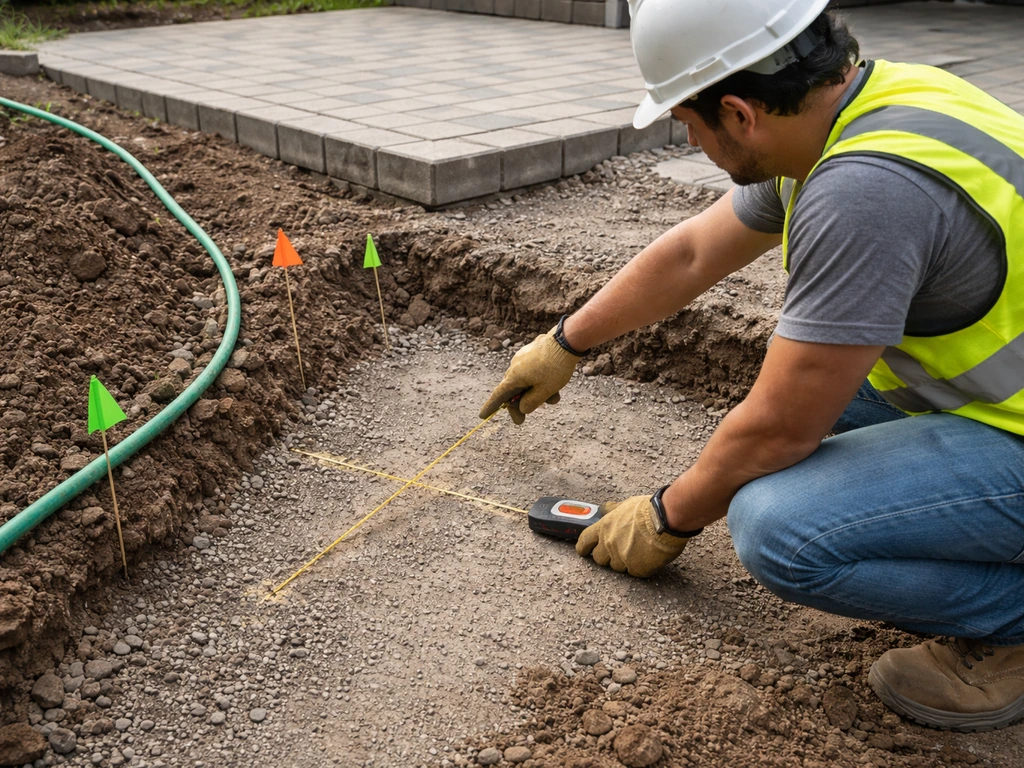
A consultation is your best opportunity to test whether a contractor actually does the things their reviews credit them for. Come prepared with specific questions, and pay attention to whether the answers are vague or detailed.
- What's your base preparation process, and what depth do you typically excavate for a project like mine? A knowledgeable contractor will describe subgrade compaction, aggregate depth, and compaction equipment without hesitation.
- How do you handle drainage on this site? Walk me through what you'd do here. Listen for mention of slope, grading toward a drain, or a French drain if the site needs it. Drainage is a design requirement, not an afterthought.
- Which permits will you pull, and can I be listed as the property owner on the permit? This confirms they're pulling permits at all, and that you'll have the inspection record attached to your property.
- What's your polymeric sand activation process? Rushed or undertrained crews skip the compaction and water activation steps. A good answer references plate compaction timing, joint fill depth, and cleanup before activation.
- Can you show me three references from projects similar in scope to mine, ideally with photos of the base layers before the surface was installed? Photo documentation of subsurface work is a hallmark of contractors confident in their process.
- How do you handle change orders? Get this in writing before signing anything. The answer should describe a written approval process before any additional work begins.
- What does your warranty cover, and what's your process if I have a problem six months after completion? Listen for specifics: what's covered, for how long, how a claim gets initiated, and who responds.
- What materials are you specifying, and why? Ask for product samples and, for paver projects in freeze-thaw climates, ask whether the products meet ASTM C1645 durability testing standards.
- What's your electrical subcontractor's license number, and will outdoor outlets and lighting meet current GFCI requirements? Outdoor electrical work falls under NEC Section 210.8, and a contractor who handles outdoor kitchens or lighting should know this without hesitation.
- What does your payment schedule look like, and what triggers each milestone payment? A legitimate answer ties payments to inspectable milestones, not arbitrary calendar dates.
If a contractor deflects, gives vague answers, or seems annoyed by these questions, that reaction itself is data. NARI's guidance is direct: if a contractor refuses to provide written clarification, move on. That applies here too.
Next steps: build a shortlist, verify quality, and hire confidently
Here's a practical sequence you can run through today to move from "searching reviews" to "signed contract with the right contractor. If you want consistent results, build your my new patio reviews checklist around what contractors actually did, not just what they promised. "
- Search for local patio design contractors on at least three platforms: Google, Angi or Houzz, and a dedicated outdoor living review aggregator for your region. Filter by project type (hardscape, outdoor kitchen, enclosure) and look for contractors with 20 or more reviews that include written comments, not just star ratings.
- Cross-check your top three candidates on BBB. Note any complaints, and specifically look for whether those complaints are marked resolved, unresolved, or unanswered. Unresolved complaints where the company replied but didn't fix the issue are a meaningful signal.
- Verify licenses and insurance before you contact anyone. Your state or provincial contractor licensing board (CSLB in California, L&I in Washington, etc.) has an online lookup. Confirm the license is active and the classification covers your project scope.
- Request photos that show process, not just finished work. Ask specifically for images of excavation, base layers, edge restraints, and joint fill stages. Contractors who photograph their process are confident in it.
- Contact three references from similar projects and ask them two specific questions: did the final price match the written estimate, and how did the contractor handle any problem that came up during or after the project?
- Run your consultation using the question list above. Take notes and compare how each contractor responds to the same questions. You're looking for specificity, transparency, and zero defensiveness about permits, payment terms, or references.
- Compare the three written bids line by line using the scope criteria above: base depth, drainage plan, permits, material specs, payment schedule, and warranty terms. Price is the last thing you compare, not the first.
- Before signing, confirm the contract includes a detailed scope of work, a milestone-based payment schedule, a change-order approval process, and warranty language. If lien waivers aren't mentioned, ask for them to be added as a condition of final payment.
- Once you've hired, keep a project log: photos at each stage, copies of permits and inspection reports, and written records of any change-order conversations. This documentation protects you and, when the project is done, gives you everything you need to leave a genuinely useful review for the next homeowner searching for the same answers you were.
The homeowners who get the best patio outcomes aren't the ones who found the lowest bid or the highest-rated contractor in a vacuum. They're the ones who used reviews as a starting filter, asked sharp questions, compared written scopes fairly, and made the contractor earn the job before the first shovel hit the ground. These my patio reviews can help you spot patterns that match the scope and process you need before you sign reviews as a starting filter. That's the process. Run it, and you'll end up with a patio you'll actually use for the next twenty years.
FAQ
How can I tell if a patio review is actually useful, or just generic praise?
Yes, but only if the reviewer describes objective specifics you can verify in your scope (base thickness, compaction approach, edging, drainage, permit handling). If the text is mostly emotional praise, treat it as low signal and rely more on detailed mentions that match your patio type.
What should I do if the reviews are positive but for projects that look different from mine?
Check whether the job was similar in size and features (kitchen, lighting, drainage tie-ins, steps, curved layouts). A contractor can do well on small slab patios and struggle with multi-element installs, so match reviews to your project complexity, not just the material name.
Why do some reviewers include great photos but the reviews still feel risky to me?
Be cautious. Photos that show only the finished surface can hide base-layer issues, drainage mistakes, or settlement risk. Favor reviews that include close-ups of edges and joints, mention base preparation steps, or show progress photos from excavation to final cleanup.
How do I interpret complaints about timelines and delays in patio design reviews?
Look for timing details that are specific and bounded, for example “worked two weekends, finished within the stated window” versus “they were fast.” If timelines shift across multiple reviews, ask for a written schedule with start date, inspection milestones, and change-order process before you sign.
When reviews mention “surprise change orders,” what should I ask the contractor to prevent them?
Yes, and the detail matters. Ask for a written list of what is included (permits, demo, haul-off, leveling, underlayment, edging, joint sand, electrical if lighting is included) and confirm the payment schedule ties to milestones, not just “materials delivered.”
How should I use reviews that mention drainage or water issues when my site is sloped?
If a contractor suggests “we will just match what was there” but reviews mention past drainage problems, treat it as a red flag. Ask how they will handle water flow away from the house (slope, drainage patterns, tie-ins) and request a plan description that aligns with what reviewers repeatedly criticized.
Is a contractor with no negative reviews always the best choice?
Zero negative reviews can still happen when a business is new, has limited marketing, or operates in small volumes. The better check is whether you see consistent, repeatable details in positive reviews and whether they offer enough project documentation (photos, references, written scope) to support claims.
What’s the best way to verify review credibility across different websites?
Do not rely on a single platform. A business can have strong outcomes on one site but unresolved disputes elsewhere. Cross-check by reading the BBB case status and also looking for the same themes in Google or Houzz reviews, especially around workmanship and resolution behavior.
Can references from the contractor replace the need to read my patio design reviews carefully?
Use them as a validation tool, not a replacement for review reading. Verify that the references match your project type and request permission to see the work in person, ideally at the stage the reviews describe (after installation, and if possible after at least one wet season).
Reviews say the polymeric sand turned white or washed out. What questions should I ask before buying in?
If you see repeated mentions of white residue, joint washout, or sand staining, ask what product they used, how they activate it, and how they prevent washout during curing. Then require the brand or specification in writing and clarify what happens if early failure occurs.
How do I compare patio bids fairly when prices differ a lot?
Price differences can be justified, but the quote must be comparable. Ask for line-by-line breakdown and confirm that both quotes include the same base depth assumptions, compaction lifts, restraint type, drainage work, and permit scope. Then compare to review patterns about quality, not just the total.
What should a “good” written estimate include, beyond the final price?
Ask for a written estimate and a written change-order policy, then match the scope to what detailed reviewers described. A solid bid should mirror the workmanship process reviews praise, like base prep sequence, edging installation, and joint sand handling, not just the final appearance.
How should I use a consultation to confirm what I read in patio design reviews?
Yes, but only if you bring it back to scope and workmanship. Treat a site visit as a test of specificity: can they explain base build-up for your soil, how they will protect surrounding areas, and what permit steps apply in your area? If their answers stay vague, let the reviews guide you to the next candidate.
Next Article
Distinctly Patio Reviews: How to Compare and Choose
Learn how to evaluate distinctly patio reviews, spot red flags, compare contractors, and choose with proof and next step