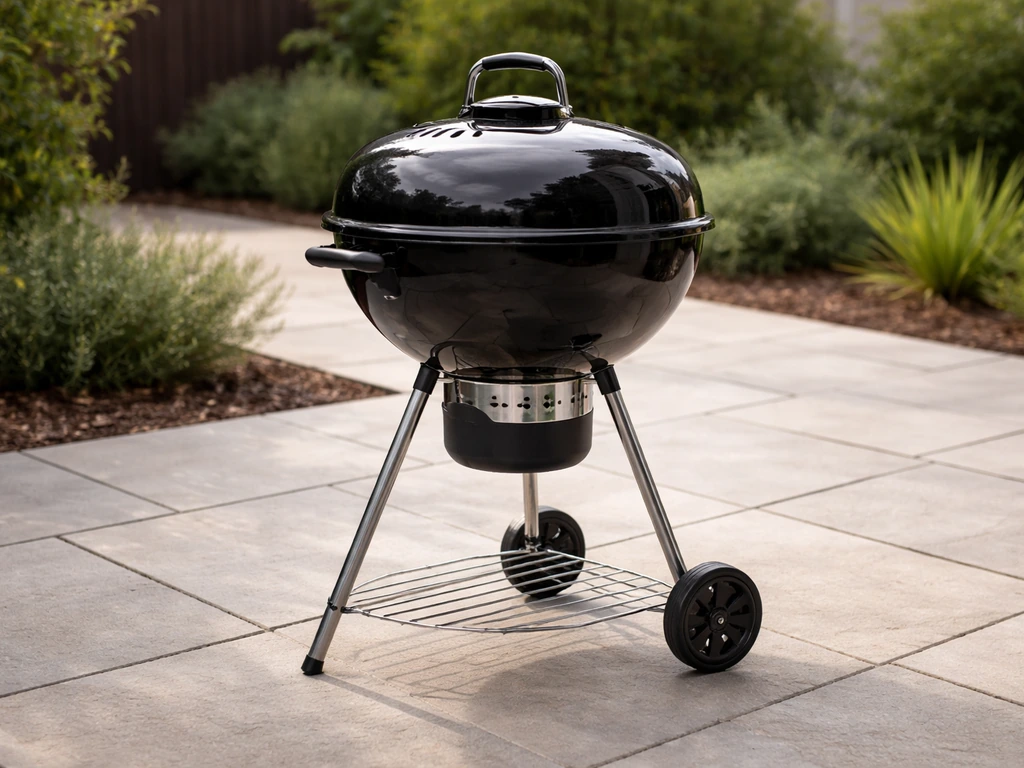
If you searched 'patio and flame reviews,' you are most likely researching one of two things: a specific retailer that uses the 'Patio and Flame' name (there are at least two operating in New England and one in Nebraska), or a contractor or retailer that sells and installs outdoor fire features as part of a broader patio project. Either way, the goal is the same: find credible feedback, spot red flags early, and make a confident decision before spending several hundred to several thousand dollars. This guide walks you through exactly how to do that today.
Patio and Flame Reviews: How to Choose the Right Installer

Vera Grady
1 Jun 2026
What 'Patio and Flame' Actually Refers To
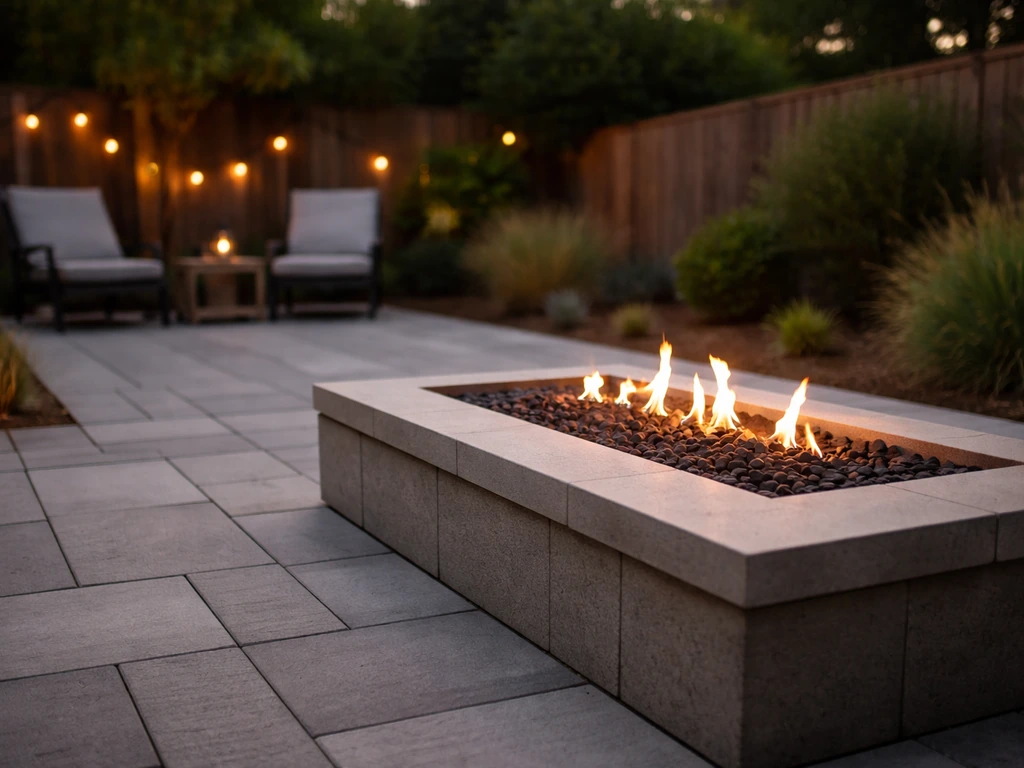
The phrase covers a few different businesses, so it is worth getting specific before you start reading reviews. The best-known retailer using this name runs two showrooms in the Northeast: one at 517 U.S. Route 1 in Kittery, Maine, and one at 145 Portsmouth Avenue in Stratham, New Hampshire. Both stores focus on outdoor living products including patio furniture, fire pits, and related accessories. Separately, Capital Patio and Flame Shop operates a showroom at 5500 Old Cheney Road in Lincoln, Nebraska, and leans more toward luxury hearth and fireplace products, including high-end outdoor fireplace models like Town and Country's TC36 OUTDOOR line. There are also marketing mirror sites (like Patio and Teak) that share the same contact details as the Kittery and Stratham locations, which can make tracking down the right reviews confusing if you are not careful.
Beyond those specific businesses, many local patio contractors and outdoor living retailers include 'flame,' 'fire,' or similar wording in their branding. So when you search for reviews, you may be pulling results for a retailer, a full-service contractor, or a specialty installer. Clarifying which category you are dealing with changes what you should look for in reviews and what questions you should ask.
Where to Find Reviews You Can Actually Trust
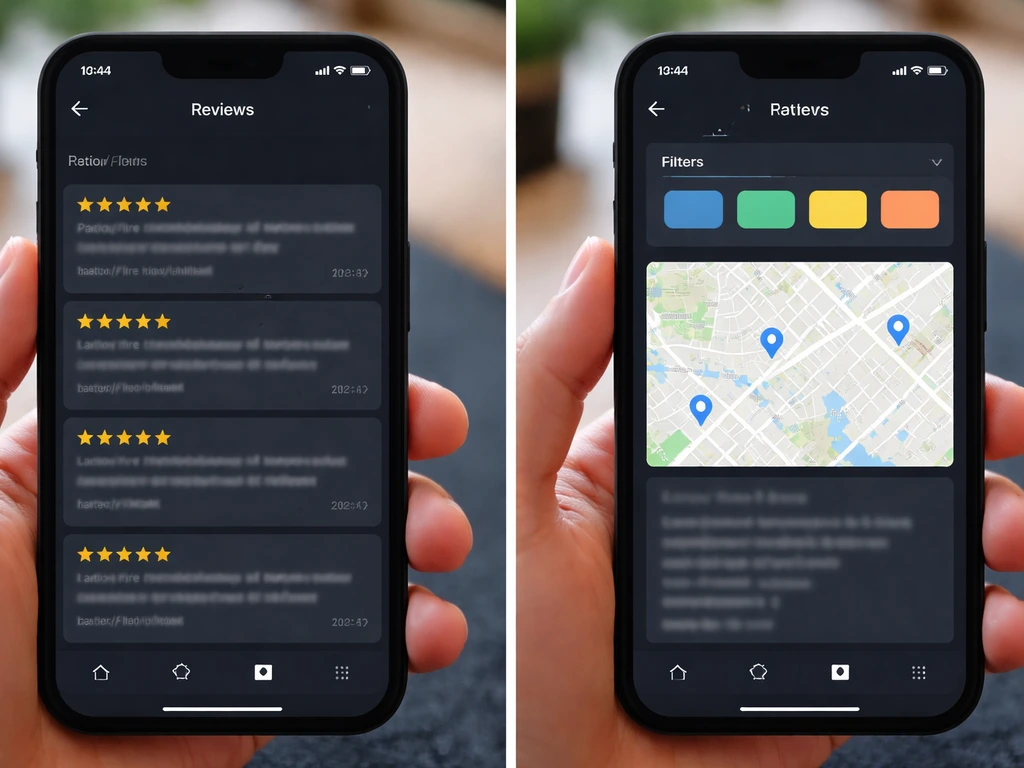
The most reliable review signals come from platforms that have real enforcement mechanisms, not just company websites or testimonial pages. A business's own site can feature cherry-picked quotes, and the FTC has specifically banned company-controlled review sites from misrepresenting that they host independent reviews. That rule has real enforcement teeth, but it does not eliminate the problem entirely. Your best bet is to cross-reference at least three external sources.
- Google Reviews: High volume, hard to game entirely, and you can filter by recency. Look for patterns over the last 12 months specifically, not a five-year average padded by early goodwill.
- Yelp: Uses automated software to filter out roughly 25% of submitted reviews it deems unreliable. Specificity is rewarded in their content guidelines, so a detailed review describing a timeline, a product model, or a specific installer tends to be more credible than a generic five-star post.
- Trustpilot: Discloses how each business interacts with the platform, including how many reviews have been flagged as suspicious and which invitation methods the business uses to collect feedback. Check that transparency dashboard before trusting an overall score.
- Better Business Bureau (BBB): Useful less for star ratings and more for complaint history, complaint resolution patterns, and any active alerts. A business with an A+ rating but six unresolved complaints tells a different story than the rating alone suggests.
- This site and similar outdoor living review aggregators: Centralized feedback from homeowners who have specifically hired patio and fire-feature businesses, which gives you project-relevant context you will not always find on general platforms.
When reading reviews on any platform, weight recency heavily. A business that was excellent three years ago but has recent complaints about slow service or poor installation quality is not the same business you are hiring today. Also look at the owner response pattern: businesses that respond thoughtfully to negative reviews, offer resolution, and do not just post defensive one-liners tend to stand behind their work more reliably.
The Review Themes That Actually Matter for Patio and Fire Projects
Not all feedback is equally useful. For a patio or fire-feature project, four themes are consistently the most predictive of whether you will have a good experience.
Product and Workmanship Quality
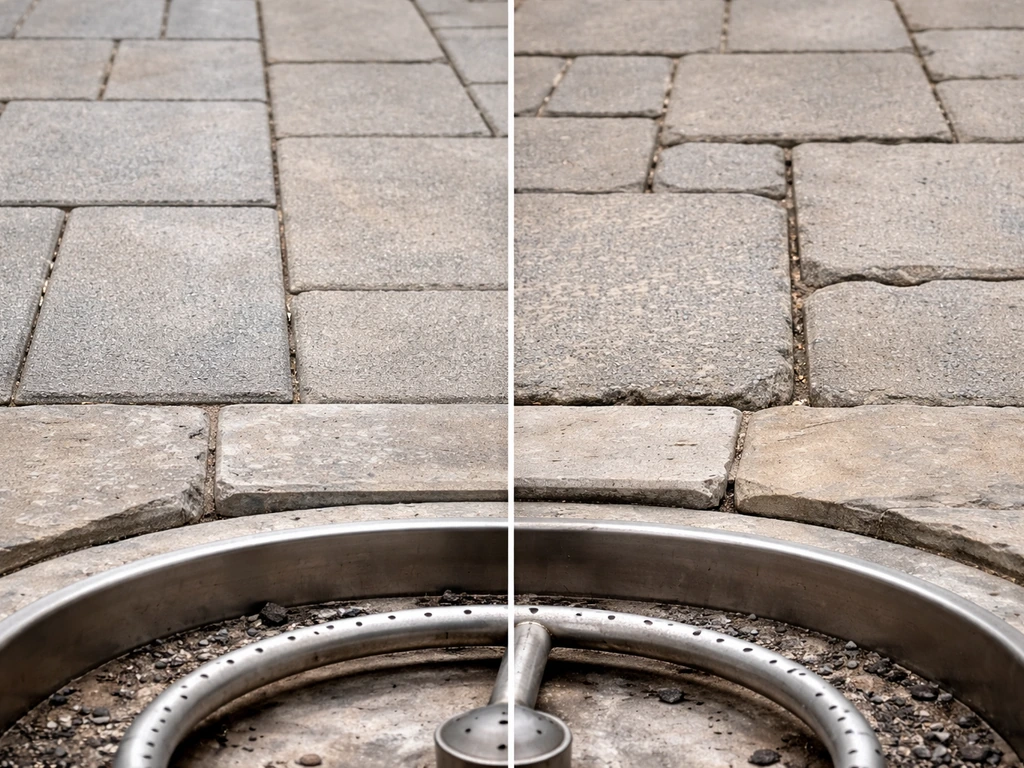
Look for reviews that mention specific materials, brand names, or model numbers. A review that says 'the pavers cracked within one season' or 'the fire pit burner stopped working after six months' is far more actionable than 'great work, highly recommend.' For fire features specifically, watch for mentions of heat output, flame consistency, and whether gas connections were done neatly and correctly. Gas appliance installations are governed by standards like NFPA 54 (the National Fuel Gas Code), and any installer worth hiring should be working to those clearances. If reviews mention failed inspections or the phrase 'had to call someone to fix the gas line,' treat that as a serious red flag.
Timeline and Project Management
Outdoor living projects routinely run late, but the reviews will tell you whether a business is chronically late versus occasionally delayed by weather or supply chain issues. Look for mentions of communication during delays. Did the contractor call proactively, or did the homeowner have to chase them? For retailers, did the product ship on time, and did the store help when something arrived damaged?
Safety and Code Compliance
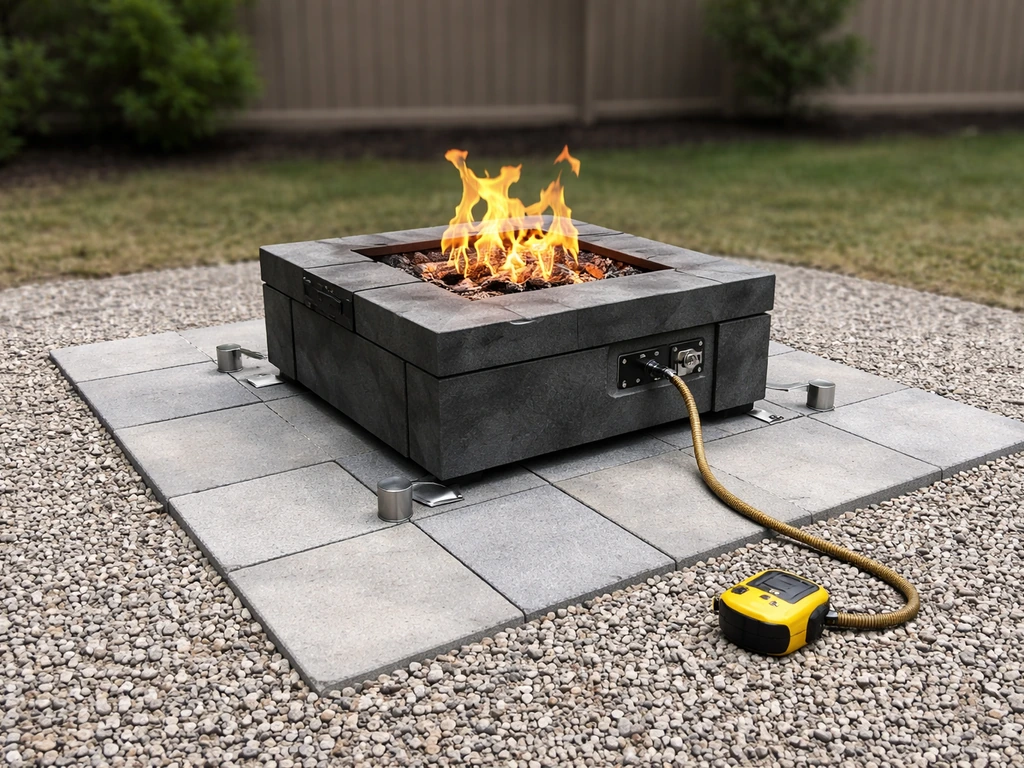
For fire pits and outdoor fireplaces, safety mentions in reviews carry extra weight. Gas-fueled appliances require proper clearances to combustibles, and those clearances are not suggestions: Wisconsin, for example, applies specific state tables derived from NFPA 54 for exactly this purpose, and most states have similar rules. A review that mentions a passed inspection or a correctly permitted install is a genuine positive signal. Conversely, reviews mentioning that the installer skipped permits or that the fire feature felt unsafe near the deck structure should stop you cold.
Post-Install Service and Cleanup
How a business behaves after they cash your check is one of the most honest signals in any review set. Look for mentions of warranty follow-through, how quickly they responded to a callback, and whether they left the site clean. For retailers, return and exchange ease matters here too. If multiple reviewers mention that getting warranty service was a fight, that pattern is more important than a handful of five-star first-impressions.
Comparing Your Options Fast: Contractors vs Retailers vs Installers
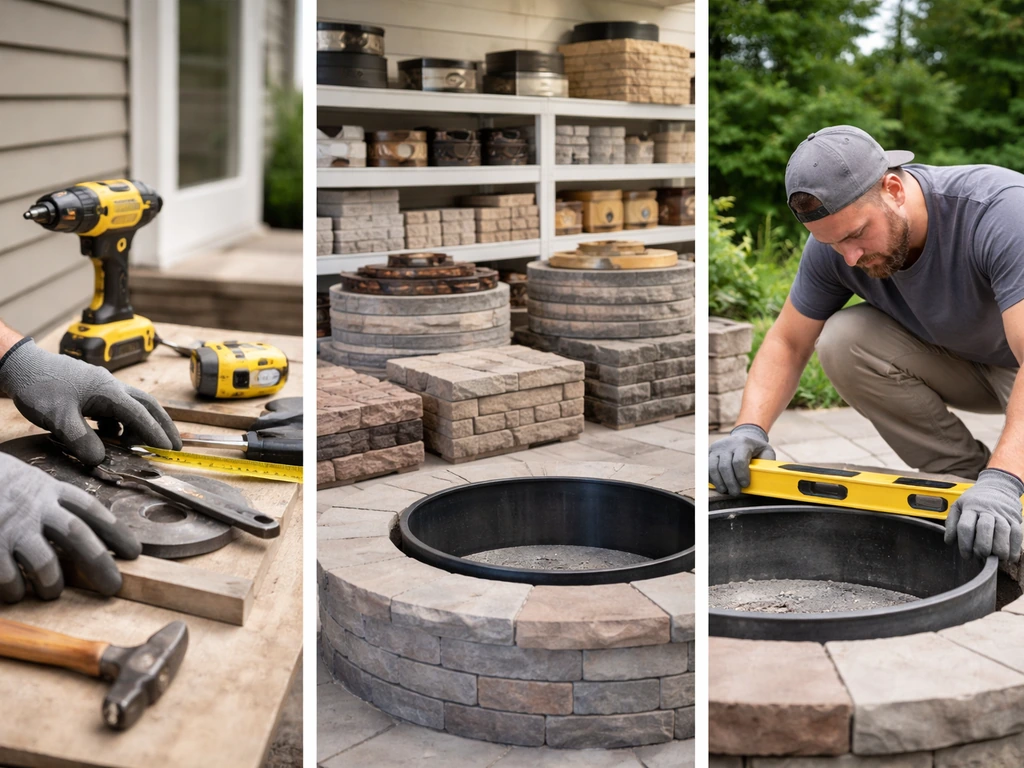
Before you can compare reviews meaningfully, you need to know what type of business you are evaluating, because the review criteria shift depending on the model.
| Business Type | What They Offer | Key Review Signals to Watch | Biggest Risk |
|---|---|---|---|
| Full-Service Patio Contractor | Design, materials, and installation under one contract | Timeline, workmanship, permit handling, post-install follow-up | Poor subcontractor oversight; no clear accountability |
| Specialty Retailer (e.g., Patio and Flame stores) | Products sold in-store or online; may offer delivery or referral installs | Product quality, shipping accuracy, return/exchange process, staff knowledge | Limited after-sale support; installation not included |
| Hearth/Fire Feature Specialist (e.g., Capital Patio and Flame) | Luxury fire features, showroom consultation, often coordinates installation | Gas connection quality, inspection results, clearance compliance, warranty service | Premium price with variable installer quality depending on sub-contractors used |
| Independent Installer | Labor only; you supply the materials | Punctuality, code compliance, workmanship detail, cleanup | No product warranty coverage; licensing gaps possible |
For most homeowners doing a combined patio and fire-feature project, a full-service contractor or a specialty retailer that coordinates installation is the most efficient path. If you are buying from a retailer like Patio and Flame's New England locations and then hiring separately for installation, make sure the installer has specific experience with the product type you purchased, not just general patio work.
Questions to Ask Before You Book Anything
A good estimate conversation will tell you a lot about a business before you ever read a single review. Use these questions to stress-test any contractor or retailer you are seriously considering.
- Can you give me an itemized written estimate, not just a total number? (This separates labor from materials and makes comparisons honest.)
- Which specific materials and brands will you use, and can I see the product specs? (Vague answers here often lead to substitutions mid-project.)
- Will you pull permits for the fire feature installation, and who is responsible if it fails inspection? (The answer should be them, not you.)
- What is the warranty on the installation labor, and separately, what is the product manufacturer's warranty? (These are two different things and both matter.)
- Who actually does the installation: your own crew or subcontractors? If subcontractors, do they carry their own insurance?
- What does your timeline look like from deposit to completion, and how do you communicate delays?
- What does your post-install service process look like if something needs to be fixed in the first year?
If a business hesitates on the permits question or gets vague about who is actually doing the installation work, those are signals worth weighing heavily against whatever their reviews say.
How to Verify a Business Before You Commit
Reviews tell you what past customers experienced. Verification tells you whether the business is legally set up to do the work safely and whether you have any recourse if something goes wrong. Do both, not one or the other.
License and Registration Checks

Most states have online lookup tools that let you verify a contractor's license status in under two minutes. Washington State's Labor and Industries 'Verify' tool checks active contractor registration and workers' compensation coverage simultaneously. California's CSLB Online Service portal does the same and includes insurance verification. Minnesota's Department of Labor and Industry runs a public licensing management system called iMS where you can check for active status and any enforcement actions. If you are in Nebraska (relevant if you are working with Capital Patio and Flame Shop in Lincoln) or New Hampshire and Maine (the Patio and Flame store territory), check your state's equivalent contractor licensing database before signing anything.
Insurance Confirmation
Ask for a certificate of insurance showing both general liability and workers' compensation. A certificate should name your address as the job site. If a contractor says they are insured but cannot produce a current certificate within 24 hours, assume they are not adequately covered. For gas appliance work specifically, this matters even more: improper clearances near combustible decking or siding are a documented fire risk, and if something goes wrong without proper coverage, you are exposed.
Past Work and References
Ask for two or three references from projects completed in the last 18 months that are similar in scope to yours. For fire feature installs, ask specifically for references that involved gas line work or permitting. Actually call those references: ask whether the timeline held, whether there were any inspection issues, and whether they would hire the business again without hesitation. Photo portfolios are useful but easy to curate; a direct conversation with a past customer is much harder to fake.
Narrowing to 2 or 3 Options Without Wasting a Week
You do not need to read every review ever written. You need enough signal to make a confident decision. Here is a practical shortcut: search for each business name on Google, Yelp, and the BBB. Read the 10 most recent reviews on each platform. For 1850 patio grill reviews, focus on recent comments about temperature control, build quality, and how well the grill holds up to regular use. Ignore five-star reviews with fewer than three sentences. Note any pattern in negative reviews (not individual complaints, but the same issue appearing more than twice). If a business clears that filter on all three platforms and passes your license and insurance check, they belong on your shortlist. Aim for two to three options maximum before you start requesting estimates.
If you are comparing a large regional retailer against a smaller local contractor for a fire-feature project, remember that each model has real trade-offs. The retailer may carry more product selection and better manufacturer warranties, while the contractor may offer tighter project accountability. Reading reviews through that lens, rather than just averaging star ratings, will give you a much clearer picture of which option fits your specific situation.
Your Decision Checklist and Next Steps Right Now
Here is what to do today if you are ready to move forward.
- Identify which type of business you actually need: full-service contractor, specialty retailer, or installer. This determines which review criteria matter most for your project.
- Search for the specific business name plus your city or region on Google, Yelp, and BBB. Read the 10 most recent reviews on each platform and note recurring themes, not outliers.
- Cross-check the business on your state's contractor licensing database. Confirm active status, workers' compensation coverage, and the absence of enforcement actions.
- Request a certificate of insurance showing general liability and workers' compensation, with your address listed as the job site.
- Ask about permit responsibility for any gas appliance or fire feature installation before the estimate conversation goes any further.
- Get itemized written estimates from at least two businesses. Compare line by line on materials, labor, timeline, and warranty terms, not just the bottom line.
- Call one or two recent customer references. Ask specifically about inspection outcomes, timeline accuracy, and post-install follow-up.
- Choose the option with the strongest combination of recent review consistency, verified credentials, and transparent estimate. Then book with a written contract that specifies the scope, timeline, payment schedule, and warranty terms.
If you have worked with a patio and fire-feature business recently, whether it was a smooth install or a frustrating experience, sharing your feedback on review platforms helps the next homeowner make a smarter call. If you are looking specifically for Frida's patio reviews, focus on workmanship, install timing, and post-install support patio and fire-feature. If you are specifically looking for o patio churrasqueira reviews, apply the same checks for recency, workmanship details, and post-install follow-through. The more specific you can be about the project type, timeline, and what actually happened after the install, the more useful your review becomes. That kind of detail is exactly what separates genuinely helpful reviews from the noise. If you are looking specifically for patio fyre reviews, compare what customers say about installation quality, communication, and post-install support.
FAQ
How can I tell whether “Patio and Flame” reviews are for the retailer or for the installer doing the work on my site?
Look for reviews that mention ordering from a specific store, then separately for reviews that describe the on-site crew, permits, and gas line or electrical work. If the review only talks about showroom help, delivery, or product returns, it likely reflects the retailer, not installation quality.
What should I do if a review mentions permits being skipped, but the business says everything was “handled”?
Ask for the permit number or a copy of the permit closeout paperwork before work starts. “Handled” is not the same as “permitted,” and a legitimate contractor should be able to show documentation tied to your address and scope.
Is it enough to check star ratings, or should I focus on something else for patio and fire-feature projects?
Don’t rely on averages. Prioritize patterns in recurring issues (late communication, cracked pavers, burner problems, inspection failures) and look for specificity like model numbers, appliance brand, and what exactly failed or was corrected.
How do I evaluate whether a fire feature installation will meet gas safety clearance requirements?
Ask the installer to explain the clearance approach for your deck and nearby combustibles, then confirm they will follow applicable code tables and manufacturer instructions for your specific unit. A good sign is when they can reference clearances by location and describe how they will verify them during rough-in.
What questions should I ask about warranty coverage if I buy equipment from a retailer but hire an installer separately?
Confirm who is responsible for warranty registration, who handles warranty labor versus parts, and how service calls are scheduled. Also ask whether the installer will stand behind the gas or electrical connections even if the product warranty is handled by the manufacturer.
If the contractor says they do not handle gas lines, how should I proceed without risking gaps in responsibility?
Make sure you know the full chain of responsibility in writing: who pulls permits, who makes the final connection, who tests for leaks, and who schedules inspection. If multiple parties are involved, request a coordinated plan so you are not left paying to rework work when inspections fail.
How can I tell whether negative reviews reflect a one-time problem or an ongoing issue?
Look for the same complaint across multiple recent reviews, such as repeated mentions of slow responses, recurring quality defects, or the same type of inspection problem. One-off bad experiences can happen, but consistent themes especially with recency should carry more weight.
What does “good communication” look like in reviews for patio and flame projects?
Strong reviews typically mention proactive updates when shipments or scheduling slip, clear time windows, and timely responses to questions during rough-in and finish work. Weak reviews often say homeowners had to chase progress or only learned problems at the end.
Should I prioritize references for patio projects or for fire features specifically?
Prioritize references that match your exact fuel type and complexity. For gas fireplaces and gas fire pits, request references involving permitting, gas line work, and clearance details, and ask about inspection outcomes and whether any post-install repairs were needed.
How many reviews do I need to read before I can make a shortlist, and what’s a common mistake?
A practical approach is to read the 10 most recent reviews on a few major platforms for each business and focus on recent, specific details. A common mistake is reading only the highest-rated reviews or relying on older comments that no longer reflect the current crew, systems, or management.
Next Article
1850 Patio Grill Reviews: How to Read Them and Choose
Learn how to vet 1850 patio grill reviews, confirm the exact model, and judge real heat, durability, and value.