
When you search for patio playground reviews, you are really trying to answer one question: is this equipment safe, durable, and worth the money from a vendor I can trust? The answer lives in the specific details reviewers mention (or skip), not in star ratings alone. A 4.8-star average means very little if every review is vague, recent, and from a first-time buyer. What you want are reviews that mention guardrail spacing, how the set held up after the first winter, whether the installer cleaned up, and what happened when a part broke. This guide walks you through exactly how to find those reviews, read them critically, compare vendors, and take action today.
Patio Playground Reviews: How to Choose Safely and Smart

Vera Grady
29 Apr 2026
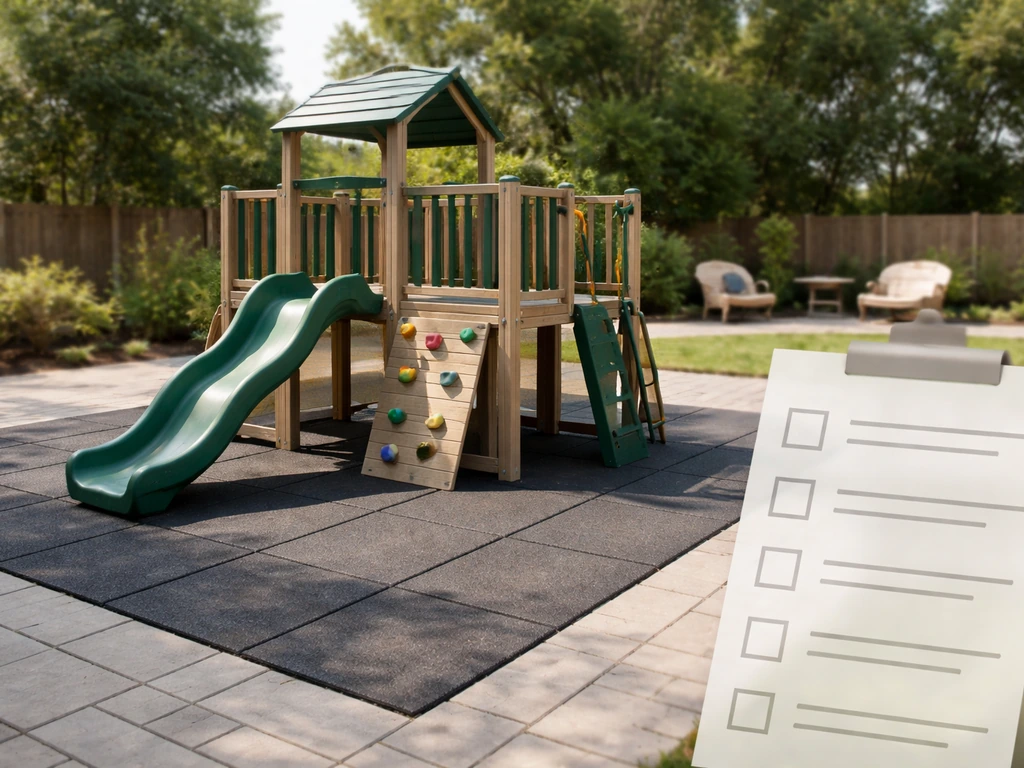
What to look for in patio playground reviews
Good patio playground reviews do three things: they describe the product in use, they describe the buying or installation experience, and they report what happened when something went wrong. Generic praise like 'great product, fast shipping' tells you almost nothing. Here is what to look for instead.
Safety details that show up in honest reviews
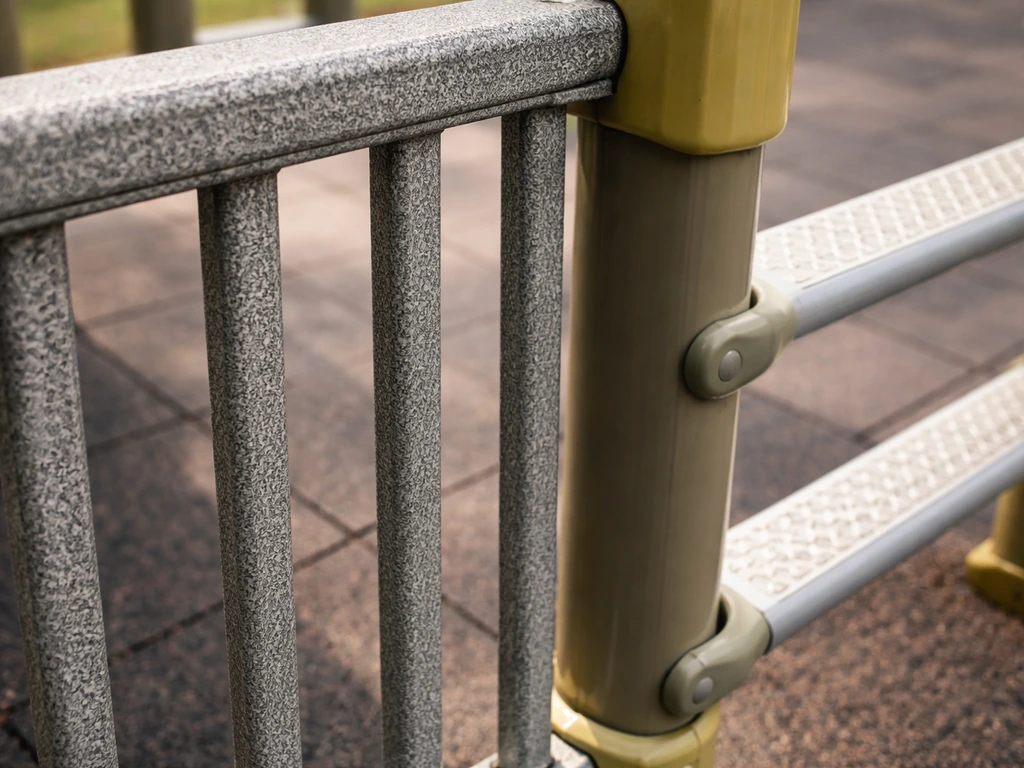
The CPSC's Outdoor Home Playground Safety Checklist identifies head and neck entrapment as a primary hazard, specifically openings in guardrails, ladder rungs, and barriers that a child's head could pass through but their body could not. Credible reviewers will mention whether those gaps felt tight or loose, whether guardrail slats were properly spaced, and whether the latch on a gate or barrier was accessible to a small child. If reviews describe a playset going up and nobody mentions guardrails or barrier spacing at all, that is a gap in coverage, not proof of safety.
- Mentions of guardrail spacing, ladder rung gaps, or barrier openings (head/neck entrapment risk per CPSC guidance)
- Fall zone clearance: how much open space surrounds the structure and what surfacing was used
- Surfacing depth and material (rubber mulch, engineered wood fiber, sand) and whether the reviewer had to re-level or top it off after a season
- Age-appropriateness: does the reviewer confirm the set matched the stated age range in real use?
- Sharp edges, protrusions, or pinch points noted after months outdoors (CPSC flags these as ongoing hazards, not just at installation)
Material and durability signals
Reviews written 12 to 24 months after purchase are far more useful than fresh ones for judging durability. Look for mentions of warping, fading, rust, squeaking hardware, or splintering lumber. Woodplay's own maintenance documentation recommends staining at least once a year, so if a reviewer complains about wood degradation and admits they never maintained it, that context matters. Conversely, if multiple reviewers report rust on a supposedly weather-resistant structure within the first year, that is a product problem, not a maintenance problem.
Installation and after-sales experience
Reviews about delivery, assembly, and warranty claims are some of the most valuable you will find. Look for specifics: did the installer arrive on time, was the site left clean, were any parts missing at delivery? On the warranty side, be aware that most major brands (Gorilla Playsets, Woodplay, Play Mart, and others) explicitly exclude labor and shipping costs for replacement parts. Reviewers who feel 'scammed' by warranty terms are often describing exactly that exclusion, not a defective product. That is worth knowing before you buy.
Best places to find reliable reviews by business type
Where you search depends on whether you are buying a product, hiring a contractor for installation, or both. Each platform has different strengths and blind spots.
| Platform | Best for | Strength | Limitation |
|---|---|---|---|
| Google Business Profile | Local retailers and contractors | High volume, tied to a real location and map listing | Easy to fake in bulk; no vetting of reviewer identity |
| BBB (Better Business Bureau) | Complaint history and dispute resolution patterns | Vetted reviews sent to business before publication; complaint records separate from star ratings | Low review volume for niche outdoor retailers |
| Yelp | Specialty retailers and local service businesses | Crowd-sourced, useful for regional patio shops | Review filtering can suppress legitimate reviews; not always contractor-specific |
| Angi / HomeAdvisor | Installation contractors and assembly services | Project-specific reviews with cost context | Business pays to be listed, which creates incentive bias |
| This site (review aggregator) | Patio and outdoor living companies across North America | Centralized, category-specific, compiled from multiple sources | Coverage varies by region |
| Manufacturer websites | Product-specific feedback | Detailed, model-specific reviews | Negative reviews may be filtered or removed |
For contractor verification, reviews are only one layer. A review badge on a contractor's website is not a license check. Use your state or provincial licensing database to confirm the contractor is licensed and insured before you hand over a deposit, regardless of how good their reviews look.
If you are also comparing retailers that specialize in outdoor living more broadly, you may find useful context in reviews for patio living or patio world retailers, patio design firms, and lifestyle patio companies, since many of those businesses also sell or install playground structures as part of a full backyard package. For more guidance that blends reviews with real buying considerations, see our lifestyle patios reviews lifestyle patio companies. For a broader view of how different outdoor layouts perform, use patio design reviews alongside your playground review checklist. If you are also looking for patio design laval reviews, focus on details like durability in local weather and how quickly installers addressed issues patio design reviews.
Review criteria checklist: safety, materials, installation, and service
Use this checklist when reading through reviews. Each item maps to a real-world concern that shows up in both CPSC guidance and real customer complaints.
Safety
- Guardrail and ladder opening spacing mentioned (no head/neck entrapment gaps)
- Fall zone surfacing type and depth described (material like EWF or rubber mulch, depth appropriate to equipment height)
- Surfacing stability noted after one full season (did it need re-leveling, and how much?)
- Age range confirmed accurate in real use
- No sharp edges, protrusions, or pinch points reported after months of use
Materials and durability
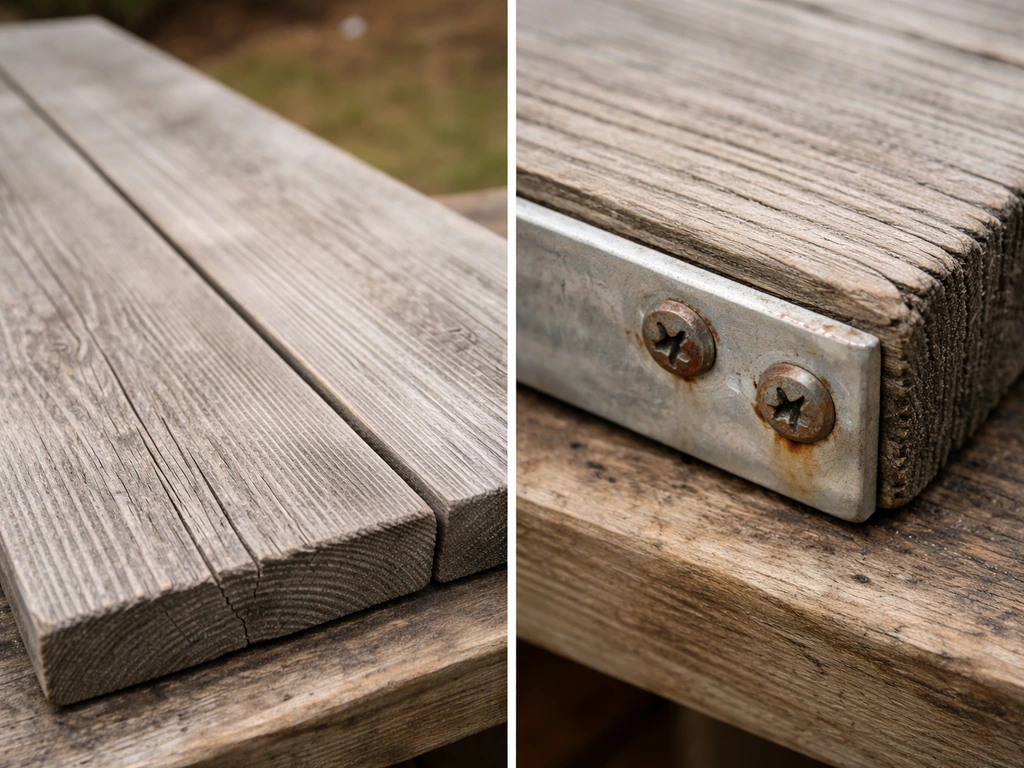
- Wood type specified (cedar, pine, composite) and condition after 12 to 24 months
- Hardware rust or corrosion noted (or not noted, after a full winter cycle)
- Fading or color degradation on plastic components after sun exposure
- Warping or splitting on lumber with seasonal temperature swings
- Replacement parts available and sourced within a reasonable timeframe
Installation
- Assembly time and difficulty described (DIY vs. professional)
- Instructions rated clear or confusing, with specific examples
- Installer/crew punctuality, communication, and site cleanup mentioned
- Anchoring method described (ground anchors, concrete footings, surface mounts)
- Missing or damaged parts at delivery noted, and how the vendor handled it
Service and warranty

- Warranty claim outcome described (not just 'great warranty' but what actually happened)
- Labor and shipping exclusions acknowledged by the reviewer (shows they read the fine print)
- Response time from customer service noted
- Business response to the review visible on the platform
- Repeat purchase or referral stated (strongest signal of genuine satisfaction)
How to compare options and shortlist vendors or retailers
Start with geography. A national brand with excellent reviews in Texas may have a completely different installer network in Ontario. Filter reviews by location whenever the platform allows it. Then narrow by project type: are you buying a kit and assembling it yourself, buying a kit with professional assembly, or hiring a contractor who sources and installs everything? Those are very different transactions, and the vendor reviews that matter are different for each.
- Collect at least three vendors or retailers in your area: one national brand retailer, one local specialty outdoor living shop, and one contractor who handles supply and install.
- Search each one on Google, BBB, and one additional platform (Yelp or Angi depending on whether they are a retailer or contractor).
- Filter for reviews written in the last 18 months and flag any that describe the specific product model or project type you are considering.
- Use the checklist above and score each vendor on safety, materials, installation, and service. A vendor with 4.2 stars but detailed, consistent reviews on all four criteria often beats a 4.9-star vendor with generic praise.
- Check BBB complaint history separately from star ratings. A contractor with two resolved complaints and a direct business response is more trustworthy than one with zero complaints and zero engagement.
- Shortlist two vendors and request quotes from both before making a final decision.
Typical price ranges and what affects cost
Installation alone runs from roughly $150 to $1,500 according to current cost data, with an average around $514 for swing set assembly. That range is wide because the variables are wide: a flat suburban lawn with a simple A-frame swing set is nothing like a multi-level playset going into a sloped yard with drainage prep. Here is what actually moves the number.
| Cost Factor | Lower End | Higher End |
|---|---|---|
| Equipment kit size | Small swing set, 1 to 2 activities | Large multi-level playset, 5+ activities |
| Material type | Pressure-treated pine | Cedar, composite, or commercial-grade hardware |
| Assembly labor | DIY or simple flat-site install | Professional crew, complex anchoring, permits |
| Site preparation | Level grass, no prep needed | Sloped yard, drainage work, concrete footings |
| Surfacing material | Basic sand (shovel and bag) | Rubber mulch or engineered wood fiber, delivered and leveled |
| Delivery and shipping | Local store pickup | White-glove delivery, rural address surcharges |
| Warranty tier | Limited 1-year structural | Lifetime structural with transferability |
One cost item that catches buyers off guard: blank" rel="noopener noreferrer">warranties from most major brands (Gorilla, Woodplay, Swingset Warehouse, and Play Mart) do not cover the labor or shipping cost to replace parts. Woodplay’s warranty terms also state that the warranty does not include shipping cost or labor to install replacement warranty pieces, though assistance may be available for a service fee blank" rel="noopener noreferrer">does not include shipping cost or labor to install warranty pieces. That means a warranty replacement that looks free on paper can still cost you $75 to $200 in shipping and a few hours of labor. Read the warranty terms before you buy, not after.
Questions to ask before buying or hiring
Good reviews narrow your list, but a direct conversation confirms it. If you are considering patio design in Laval, reviews can help you spot which vendors and installers deliver consistent results. Whether you are calling a retailer or getting a contractor quote, ask these questions and pay attention to how specific the answers are.
- What is the fall height of this equipment, and what surfacing depth do you recommend for that height? (A knowledgeable seller can answer this directly.)
- What anchoring method do you use, and does my site require any prep work before installation?
- What does the warranty cover, and specifically, does it cover labor and shipping for replacement parts?
- How do I initiate a warranty claim, and what documentation will I need? (Photo of full set, damage photos, parts list are standard requirements.)
- Are any parts typically missing or backordered at delivery right now, and what is your process for resolving that?
- Can you show me reviews or references from customers in my area who had a similar project?
- Are you licensed and insured for outdoor installation work in my state or province?
- What is your timeline from deposit to completed installation, and what could delay it?
Red flags and how to verify a reviewer's credibility
Not every review you read is genuine, and even genuine reviews can be misleading if they are cherry-picked or outdated. Here is how to filter what you are reading.
Red flags in reviews
- All 5-star reviews posted within a narrow time window (suggests a review campaign, not organic feedback)
- No reviewer mentions a problem or limitation of any kind (real customers almost always note at least one minor issue)
- Reviews describe the product in marketing language rather than personal experience ('premium quality craftsmanship' is not how a parent talks)
- Reviewer profile was created the same day as the review with no other review history
- Negative reviews mention the same specific problem repeatedly (e.g., rust on hardware after one season, or repeated missed installation appointments) without business response
- Business has no BBB complaint history at all despite operating for many years (sometimes means they redirect complaints to platforms they control)
How to verify credibility
- Look for photo evidence attached to reviews: a photo of the installed set in a real backyard is hard to fake
- Check review recency: reviews older than three years may not reflect current product lines, installer staff, or ownership
- Look for business responses on Google and BBB: a business that responds to negative reviews with specific follow-up (not just a canned apology) signals accountability
- Cross-reference the same business on two or three platforms: a pattern of 4-star reviews on Google but 2-star complaint patterns on BBB tells a different story
- On BBB specifically, check complaint history separately from star ratings, since resolved complaints do not always convert to star rating changes
- For contractors, confirm license and insurance status through your state or provincial licensing database, not just their website badge
Next steps: how to act on reviews today
You have the framework, now here is how to move from reading to deciding in a single afternoon. When you are comparing patio designs, make sure the materials, layout, and layout fit your space and maintenance routine.
- Search your top two or three equipment brands and local contractors on Google Maps, BBB, and one additional platform right now. Filter by your city or region.
- Open the review criteria checklist above and score each option. Do not rely on star averages alone.
- Pull the warranty terms for any product you are seriously considering. Confirm what is and is not covered for labor, shipping, and finish fading before you call.
- Call or email your shortlisted vendors with the questions from the section above. A vendor who answers the fall height and anchoring questions specifically is demonstrating real knowledge.
- Verify contractor licenses through your state or provincial licensing board. This takes five minutes and is non-negotiable.
- Request at least two written quotes that itemize equipment, delivery, site prep, surfacing, assembly, and any permit costs separately so you can compare apples to apples.
- Make your decision based on the pattern of reviews over time, the specificity of the business responses, and what you learned in the direct conversation. Trust the pattern, not the peak rating.
If you have already gone through this process and want to share your experience with a specific patio playground retailer or contractor, adding your own review to a platform like Google or BBB helps the next homeowner make a faster, more confident decision. Patio gardens reviews are similar in that the most helpful posts include a timeframe, clear pros and cons, and evidence of how the setup holds up over seasons. The most useful reviews are the ones that include a photo, a timeline, and what happened when something needed fixing. If you are specifically looking for patio playhouse escondido reviews, prioritize reviews that include photos, a clear timeline, and details about how issues were resolved.
FAQ
How can I tell if a patio playground review is actually useful, not just marketing fluff?
Treat a review as useful only if it includes a timeframe (when it was bought and when issues appeared), specific problem details (for example, “gate latch loosened after 6 months” or “wood splintered near the steps”), and an outcome (replacement part, repair, or no action). Vague statements like “great quality” without any maintenance or durability observations usually do not answer safety or value questions.
What if the reviews mention guardrails and barriers, but not head entrapment spacing?
If head entrapment details are missing, assume you will not have enough information from reviews alone. Look for reviewer wording that describes measurable feel, such as “gaps were tight,” “no gaps big enough to fit a head,” or “we rechecked spacing after installation.” If none of that appears, ask the retailer for the specific opening limits and keep your own post-install inspection checklist.
Are reviews from the first 3 months worth anything for durability?
Early reviews can still be useful for manufacturing quality, missing parts, and initial assembly mistakes. For durability, prioritize reviews written 12 to 24 months after purchase, since issues like warping, rust, fading, and squeaks often emerge after weather cycles.
If multiple reviews complain about rust or splintering, how do I separate product defects from poor maintenance?
Look for reviewers who describe what they did, not just what happened. Rust reported alongside missed staining schedules, no covers, or failure to clean hardware after storms often points to maintenance gaps. Rust or degradation reported despite documented upkeep, regular cleaning, and protective steps is stronger evidence of a product or finish problem.
What warranty surprises should I watch for when replacement parts are involved?
Even when replacement parts are covered, many major brands exclude labor and shipping for those parts. Ask the seller to confirm what you pay in a worst-case scenario (shipping, return shipping, and any service fee). Reviews that mention feeling “scammed” often reflect this exclusion, so read them for the exact cost categories mentioned.
Should I base my decision on contractor installer reviews if I’m buying a kit and assembling myself?
If you are assembling yourself, contractor reviews matter less than installation experience reviews tied to the same assembly approach you will use. Look for reviews that mention whether the directions were clear, which steps were confusing, and whether hardware alignment issues occurred during DIY setup. If reviews are full of “installer did it,” treat them as less predictive.
How do I use location filtering correctly when reading patio playground reviews?
Filter by your region when available, but also watch for the climate mismatch. Texas reviews may not reflect snow load, freeze-thaw cycling, or coastal salt exposure. When you read a “great product” review, check whether the reviewer mentions weather conditions similar to yours and whether installers used appropriate anchoring for the soil type.
What questions should I ask a retailer or contractor that go beyond what reviews typically cover?
Ask: who supplies and verifies installation hardware, whether anchoring is recommended for your ground condition, and what happens if parts are missing on delivery. Also ask them to confirm total costs for replacements, including shipping and any service charges, and whether they provide a cleanup plan for debris from assembly.
Is it a red flag if reviews are mostly positive but never mention what happens when something breaks?
Yes, it can be a red flag for information quality. You want at least a few reviews that describe defects, breakage, or adjustments and how the vendor responded. If almost no one reports repairs, issues may be rare, or reviewers may not be covering the “what went wrong” portion that helps you judge long-term value.
What should I do immediately after installation to avoid safety problems that reviews might not catch?
Do a post-install safety sweep before kids use it: check guardrail and barrier spacing, confirm gate latches close securely without a small-child reach, verify that all fasteners are tightened and correctly installed, and inspect the ground under and around the structure for appropriate leveling and surfacing. Then retighten after the first few uses, since some kits settle after initial assembly.
Next Article
Patio Living Reviews: How to Vet Patio Builders Fast
Use patio living reviews to vet local patio builders fast: check patterns, questions, contracts, and verify before payin