
Patio design reviews tell you far more than a star rating if you know what to look for. The goal is to find reviews that describe what was actually built, how the crew worked, and what the patio looks like six months later, not just whether the homeowner is happy right now. Once you know how to read those signals, you can shortlist contractors with confidence, set realistic expectations for cost and timeline, and avoid the most common install problems before you sign anything.
Patio Design Reviews: How to Compare and Choose Contractors

Vera Grady
29 Apr 2026
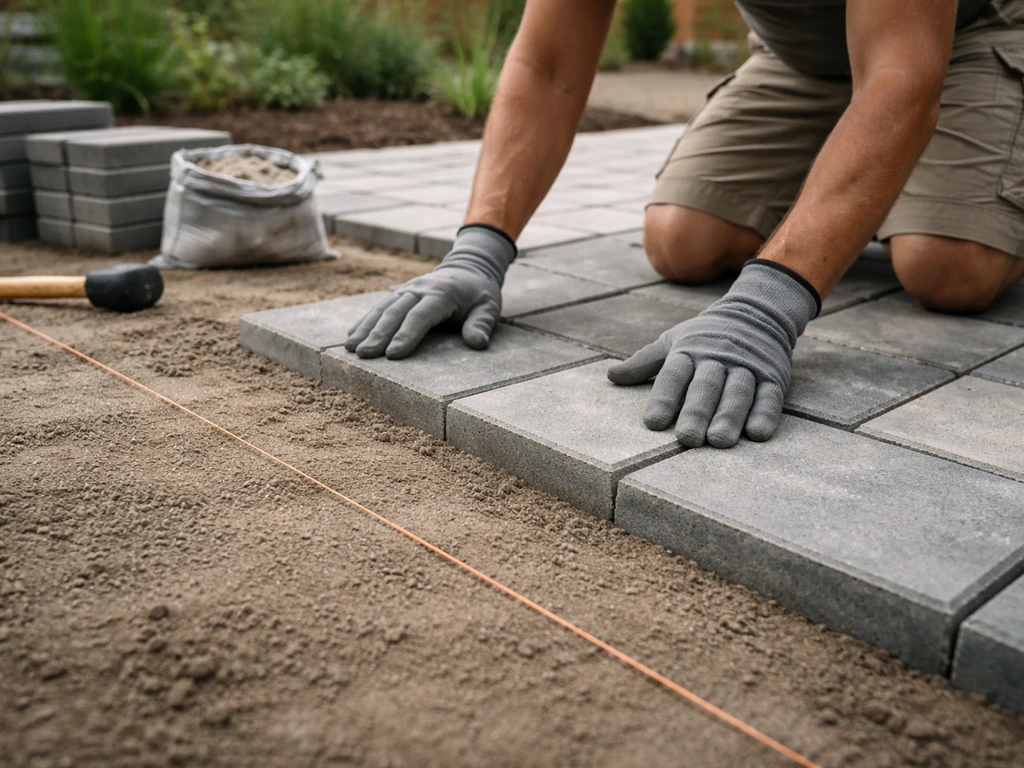
What 'patio design reviews' actually covers
When people search for patio design reviews, they usually mean one of two things: reviews of a design-build contractor who handles the whole project (layout, groundwork, materials, and installation), or reviews of a patio showroom or design-consultation service that helps you plan before you commit. The distinction matters because review expectations are different for each.
For design-build contractors, the scope can be wide. Reviews worth reading will touch on layout planning (did the designer walk the yard and measure?), site prep and drainage (did they grade properly?), material selection (pavers, natural stone, concrete, composite decking), and add-ons like lighting, fire features, or outdoor kitchens. Some contractors also handle enclosures and covered outdoor living structures. Retailers like patio showrooms, by contrast, get reviewed mostly on product knowledge, selection, and whether the design advice held up in real life.
The most useful check before you dive into reviews: confirm what scope the company actually handles. A five-star review for a furniture retailer tells you nothing about patio installation quality, and mixing those up wastes your research time.
- Design-build contractors: look for reviews covering layout, base prep, drainage, material install, and punch-list follow-up
- Design consultation firms: look for reviews covering creativity, communication, accuracy of renderings, and whether quotes matched reality
- Patio retailers and showrooms: look for product knowledge, selection, pricing accuracy, and delivery/service follow-through
- Specialty installers (enclosures, pergolas, screen rooms): look for permit experience, structural workmanship, and weather-seal quality
How to evaluate patio designers and contractors using review signals
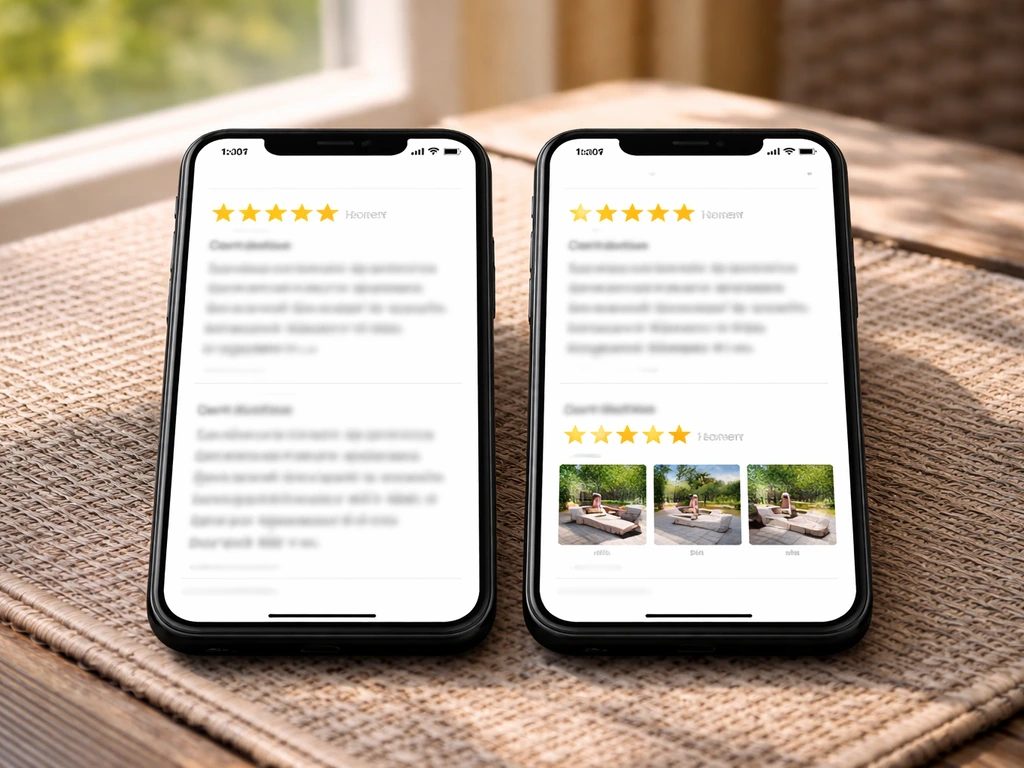
Star ratings are a starting point, not an answer. A contractor with 4.3 stars across 80 reviews is far more reliable than one with 5 stars across 6. Here is how to dig deeper.
Rating patterns and recency
Sort reviews by most recent first. A company that was excellent three years ago may have changed ownership, lost key crew, or started cutting corners on base prep. Conversely, a company working through early growing pains can genuinely improve. Look for a consistent rating pattern over the last 12 to 18 months. BBB profiles also show complaint history and complaint resolution status, which adds a useful layer beyond Google or Yelp ratings alone.
Review specificity: the scope story
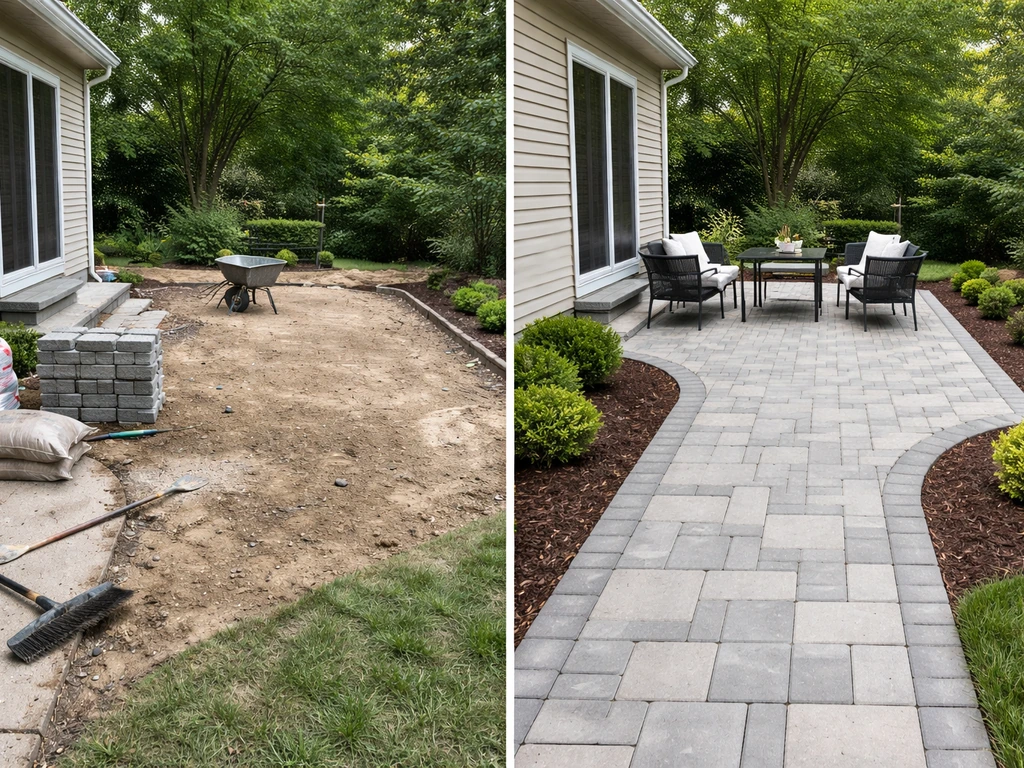
The most credible patio reviews include what I call a scope story: a brief description of what was designed and built, the sequence of the work, and how the finished product holds up. Generic praise like 'great job, love the patio' is nearly worthless for comparison purposes. Specific language like 'they excavated about 8 inches, compacted the base, and set pavers on a sand bed' tells you the crew followed a real installation process. That compacted base detail actually matters: proper paver installations use at least 6 inches of compacted aggregate base, plus about 1 inch of bedding sand, then pavers, then jointing sand. Reviews that mention any subset of those steps are describing something technically real.
Photos and long-term follow-up
Photos in reviews are worth more than words. Look for before-and-after shots that show the finished surface, the edge restraints, and how the patio meets the house. Even better: reviews posted 6 to 12 months after project completion that mention no settling, no joint-sand washout, and no drainage issues. Polymeric sand, which many contractors now use for joints, can crack or wash out early if the base is poorly compacted or if it was applied in bad weather conditions. A review that says 'joints still look perfect after one winter' is a meaningful quality signal.
Communication and responsiveness
How a company responds to negative reviews tells you almost as much as the reviews themselves. Companies that respond to criticism with specific explanations (not defensive deflections) demonstrate accountability. Businesses that acknowledge mistakes and describe what they did to fix them tend to behave the same way on live projects. If a contractor's only responses are copy-paste thank-you notes, that is a yellow flag for communication quality during your actual build.
Matching patio design ideas to your actual space
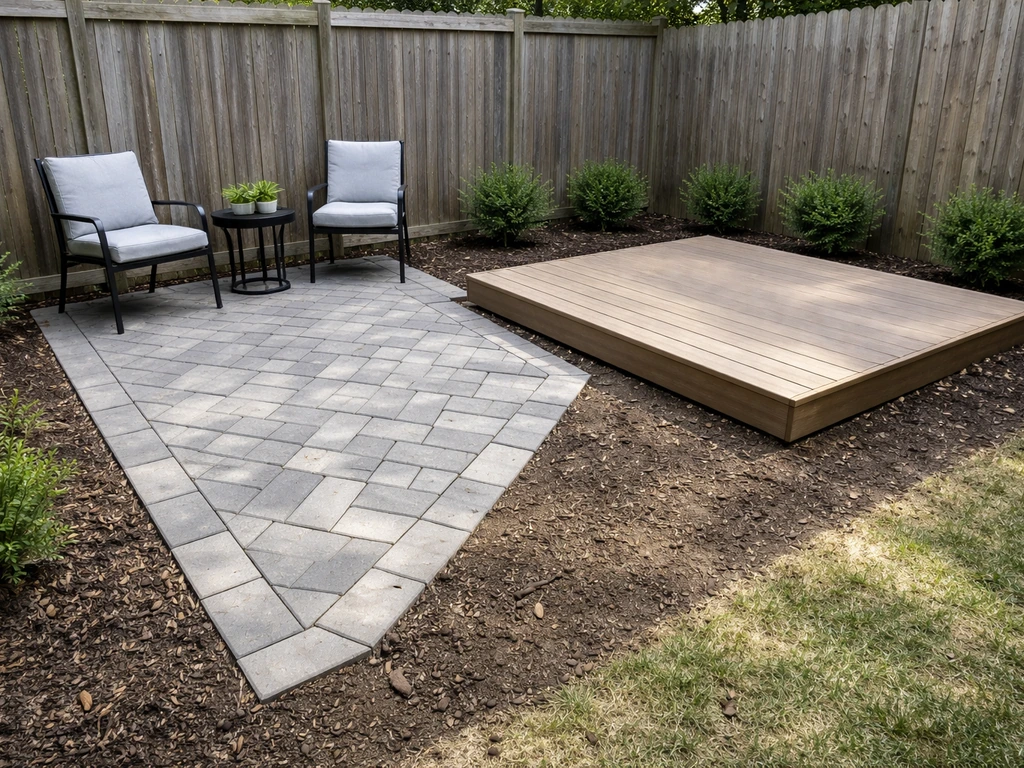
Reviews are useful for comparing contractors, but they also give you real-world data on what designs actually work for different yard sizes, climates, and budgets. Here is how to translate review information into design decisions.
Layout and yard size
Small urban yards (under 300 square feet) show up frequently in reviews for companies that specialize in tight-space design: raised platforms, built-in seating, and diagonal paver patterns that visually expand the space. Larger suburban lots allow for zoning, meaning a primary patio near the house for dining and a secondary space further out for fire features or a hot tub. When reading reviews for your shortlisted companies, filter for projects that match your rough square footage and yard shape.
Material choices and climate fit
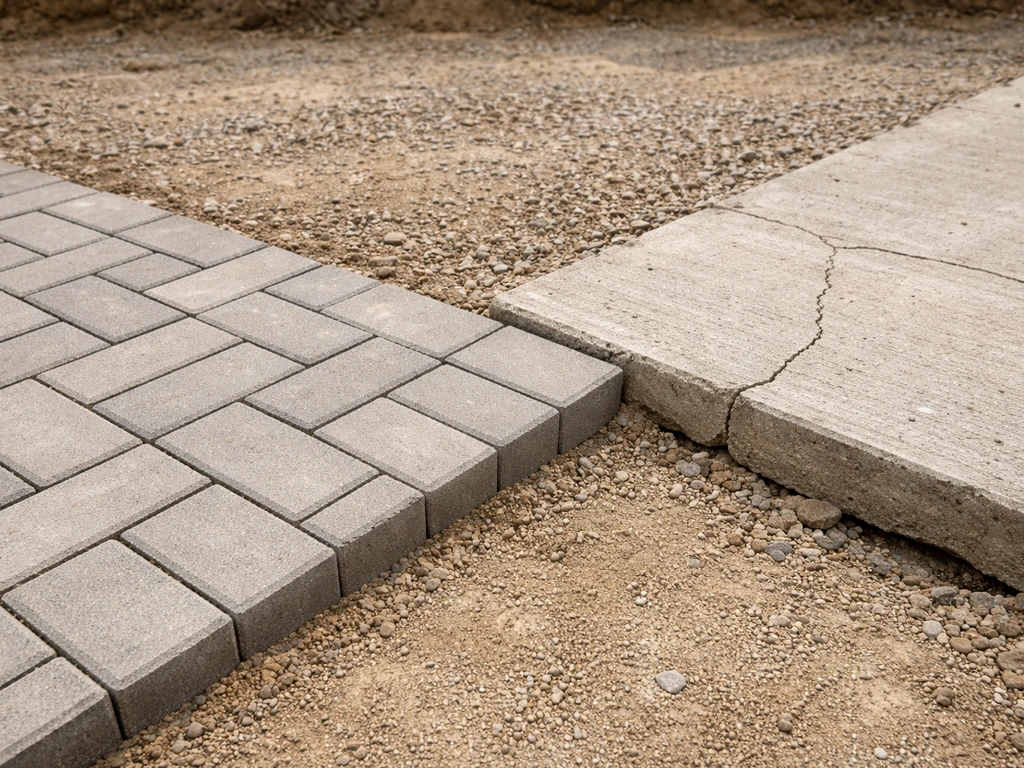
In freeze-thaw climates (most of Canada and the northern U.S.), flexible paver systems outperform poured concrete slabs over time because pavers can shift slightly with frost heave and be re-leveled, while concrete cracks. Reviews from homeowners in your climate zone who describe how the patio looked after several winters are the most relevant durability data you can find. In hot, dry climates, light-colored natural stone or concrete pavers with a reflective finish stay cooler underfoot. Reviews that mention surface heat, fading, or staining are genuinely useful for comparing material performance.
Drainage and site prep (this one really matters)
Drainage is the single most common cause of patio failures, and reviews that mention it are gold. The technical standard is a slope of at least 0.25 inches per foot away from the house foundation for any patio or slab within 10 feet of the home. That is not a huge slope visually, but it has to be built in from the start. Reviews that mention standing water after rain, wet basement walls after the patio was installed, or pavers sinking near the house are all telling you the site prep was wrong. Prioritize contractors whose reviews specifically mention grading, slope, and drainage, even if you have to search for those words.
Comfort and usability features
Lighting, shade structures, fire features, and outdoor kitchens are increasingly common in patio design reviews, and they are a good indicator of a contractor's full-service capability. Reviews that describe how the finished space is actually used (year-round entertaining, kids playing safely on the surface, good drainage after heavy rain) give you a realistic picture of livability. If your design includes electrical work for lighting or a gas line for a fire feature, check whether reviews mention those trades being coordinated well or being a source of delays.
Red flags to watch for in patio reviews
Certain patterns in negative reviews are worth treating as disqualifying, not just as noise. Here are the ones I take seriously.
- Hidden costs and surprise change orders: Reviews that describe a quote doubling before completion, with vague explanations and no written change order process, are a strong warning sign
- Drainage problems post-install: Standing water near the house or sunken pavers within the first year almost always point to inadequate excavation, base compaction, or slope
- Joint sand failure: Polymeric sand washing out or cracking within the first season typically means the base was poorly compacted, the sand was applied in the wrong weather, or edge restraints were skipped
- Permit and inspection issues: Reviews that mention the contractor avoiding permits, failing inspections, or leaving the homeowner to handle permit closeout are a serious red flag — you carry the liability
- Communication disappearing after deposit: Multiple reviews describing a contractor who was responsive during the sales process but unreachable after payment should be treated as a pattern, not a coincidence
- Sloppy finishing details: Uneven cuts, gaps at house walls, misaligned patterns, or loose edge restraints show up in review photos more often than you might expect — look at those photos carefully
- No follow-up or warranty response: Reviews where homeowners report minor post-install issues that were ignored for weeks or never addressed suggest poor service culture
Questions to ask before hiring (so reviews actually predict your outcome)
Reading reviews gives you information. Asking targeted questions confirms whether it applies to your specific project. These are the questions that translate review patterns into real answers.
- Can you walk me through your base preparation process — excavation depth, base material, compaction method, and bedding layer?
- How do you handle drainage and slope away from the house, and how do you verify it before laying the surface?
- What type of edge restraint and jointing sand do you use, and what are the installation conditions you require for polymeric sand?
- Do you pull permits for this type of project in my municipality, and who manages the inspection process?
- What is your change order process — will I see all cost changes in writing before work continues?
- Can you provide references from projects completed 12 or more months ago, specifically in my climate zone?
- What does your warranty cover, and what is your typical response time for post-install issues?
- Who is the crew lead on my project, and is this your own crew or a subcontracted team?
That last question is important. Some highly-rated patio design companies outsource installations to subcontractors, and the quality of their reviews may not reflect the subcontractor's actual workmanship. Ask directly.
How to compare multiple patio companies and actually make a decision
Once you have three to five companies shortlisted from reviews, use a structured comparison rather than going with whoever calls back fastest or quotes lowest. Here is a practical framework.
| Evaluation Factor | What to Look For | Where to Check |
|---|---|---|
| Review volume and recency | Minimum 20 reviews, majority within 18 months | Google, BBB, this site |
| Scope specificity in reviews | Mentions of prep, drainage, materials, and finishing | Review text and photos |
| Response to negatives | Specific, accountable responses (not template replies) | Google, Yelp business responses |
| Complaint history | Resolved complaints, no pattern of contract disputes | BBB Business Profile |
| Quote detail | Line-item breakdown, written change order policy | Your in-person estimate |
| References | Clients from 12+ months ago in your climate | Direct reference calls |
| Permit experience | Familiar with your municipality's requirements | Ask directly |
| Warranty terms | At least 1 year workmanship, clear written terms | Ask for written warranty |
Price is a factor, but it should be evaluated against scope, not in isolation. A quote that is 20 percent lower because it skips proper base compaction or uses standard sand instead of polymeric jointing sand is not a bargain, it is a drainage problem waiting to happen. When comparing quotes, ask each contractor to specify base depth, compaction method, and jointing sand type in writing so you are comparing the same scope.
If you are researching regional specialists, it is worth checking reviews for companies that focus on specific outdoor living niches. Some platforms compile feedback from lifestyle-focused patio companies, patio world-style retailers, and design-focused local firms in one place, which saves significant research time when you are comparing multiple options across a market.
Getting the best results after you hire
Hiring the right contractor based on strong reviews is step one. If you are specifically comparing patio builders based on what their past customers say, reading patio gardens reviews can help you spot which companies deliver consistent results. If you are looking for patio world reviews, focus on review specifics like scope story and long-term follow-up rather than just a star rating. These patio living reviews tips will help you judge whether a contractor can deliver long-term comfort and usability, not just a nice first impression. If you are comparing options based on lifestyle patios reviews, prioritize scope stories and long-term follow-up over generic praise. How you manage the project from that point shapes the final outcome almost as much. If you want to narrow it down to patio playground reviews specifically, compare what people say about build quality, drainage outcomes, and long-term upkeep. If you are specifically looking for patio playhouse escondido reviews, use the same approach: check scope details, photos, and long-term outcomes.
Site prep and what to watch for
Before any surface material goes down, the groundwork should include excavation to the correct depth (typically 8 to 10 inches for a paver patio in a freeze-thaw climate), removal of organic material, compaction of the soil subgrade, installation of a compacted aggregate base in lifts, and a geotextile fabric layer to prevent bedding sand from migrating into the base. You do not need to be an engineer to verify this, you can simply watch the early stages of the install and ask your crew lead to narrate what they are doing. If they can not explain the layering process clearly, that is worth noting.
Permits and inspections
Many jurisdictions in North America require permits for attached patios, structures, electrical work (outdoor lighting, outlets), and gas lines (fire features, outdoor kitchens). Your contractor should know what is required in your municipality and pull those permits before work starts. Do not let a contractor talk you out of permits by suggesting it speeds things up, if work is done without a required permit and you sell the house or file a home insurance claim, you carry the liability. Confirm the permit status in writing before the first day of work.
During the build
Take photos at each stage: excavated site, compacted base, before surface material goes down, and after jointing sand is applied. These photos serve two purposes, they give you documentation if something goes wrong later, and they help you contribute a genuinely useful review after the project is complete (the kind that actually helps other homeowners, with real construction-phase context rather than just a reaction shot of the finished patio).
The punch list and follow-up
Before you make final payment, walk the completed patio with your contractor and create a written punch list of anything that needs adjustment: loose edge restraints, uneven cuts, grout or joint sand inconsistencies, any areas where slope looks off to the eye. Get a committed timeline for completing punch-list items in writing. The best contractors will expect this process and have it built into their workflow. If a contractor pushes back on a punch-list walkthrough, that is a red flag that matches the patterns you see in the worst patio reviews, and it is a good reminder that the review you leave afterward will help the next homeowner make a better decision.
FAQ
How can I tell if a patio design review is actually describing the build, not just the finished look?
Yes, but only if the review includes construction details you can verify. Look for mention of drainage grading, base depth, and jointing sand type, plus photos that show the patio edges and how it transitions to the house. If the “before/after” only shows the finished surface with no talk of prep or joints, treat it as marketing rather than technical evidence.
What should I ask to make sure I’m comparing the same scope across different patio design reviews?
Use the review text to extract a “scope checklist,” then compare it to the contractor’s written proposal. For example, if reviews mention excavation depth, geotextile use, and jointing sand, make sure your bid includes those line items. If they refuse to specify base depth, compaction method, or jointing sand type in writing, you are not comparing like-for-like.
Do the timing details inside reviews (weeks vs months after install) change how I should interpret them?
Watch for timing language. If someone reports issues during the first winter or first heavy rain, it often points to base compaction, slope, or joint-sand application problems rather than normal wear. Reviews that describe problems starting months later can still be legitimate, but they usually require you to confirm whether drainage, settling, or water infiltration is being discussed.
How do I handle patio design reviews that don’t mention my yard size or site conditions?
Make sure the patio review explicitly addresses your site constraints, not just the general look. Key constraints include yard slope, how close the patio is to the foundation, tree roots, existing sprinklers, and whether there is a driveway or path that connects to the patio. If those factors are absent from the review, you may be missing the variables that drive failure risk.
If a contractor uses subcontractors, what should I verify before trusting their patio design reviews?
Ask who will actually be on site and who is accountable for workmanship. If the brand handles design-build but installs through subcontractors, request the subcontractor’s role, crew size, supervision process, and whether warranty coverage follows the installer’s work or only the brand’s contract. Reviews about the company’s responsiveness may not reflect day-to-day crew quality.
How do I evaluate negative drainage reviews if the reviewer’s patio setup seems different from mine?
If a review complains about drainage but the patio wasn’t within 10 feet of the foundation, the problem might be less relevant to your project. Conversely, if their review mentions standing water near the home, wet walls, or paver sinking close to the house, it aligns with your highest-risk scenario. Adjust your “relevance score” based on distance to the foundation and whether the issue is rain-related.
What photo signals in patio design reviews are most reliable for spotting future problems?
Treat photos as evidence of process, not just results. The most useful images include edges and continuity to the house, plus at least one photo taken before the surface goes down or showing joint sand after completion. If the review has only bright, staged “walk-through” shots taken immediately after install, you lose the ability to judge settling or washout.
Should I rely on star ratings for warranty expectations, or is there a better way to use patio design reviews?
Yes. Even when a contractor seems strong in reviews, request a clear warranty term in writing that specifies what is covered, what triggers service calls, and response timelines. Also ask whether warranty work is limited to workmanship only or also covers material defects like joint-sand washout or cracking. Reviews that mention warranty follow-through are more valuable than reviews that only praise the initial install.
What are common payment or scheduling mistakes I should watch for after I shortlist contractors from reviews?
Request a written, stage-based schedule and tie it to payments. A common mistake is paying in full before base prep and slope checks are completed. Build milestones around excavation, compaction, base installation, and final jointing, then confirm when inspections or walk-throughs happen before you release funds.
How can I use patio design reviews to decide between a generalist builder and a specialist for my patio style?
You can ask for a “set of comparable projects” that match your scope and climate risk, then compare your shortlist’s reviews against those specific project types. For example, if your yard requires raised platforms or tight-space patterns, prioritize reviewers who describe similar layouts. This reduces the chance you pick a contractor with great reviews for a different style of patio or different outdoor living package.
Next Article
Patio World Reviews: What to Trust and Key Questions to Ask
How to verify Patio World reviews, spot real vs fake, ask key hiring questions, and compare outdoor services safely.