
The VegTrug Patio Garden is worth buying if you have limited outdoor space and want an elevated, standing-height raised bed that works on a patio, balcony, or deck without digging. The Medium (40.7" x 29.9") handles herbs, leafy greens, and shallow-rooted vegetables well. The Large (72.2" x 29.9") gives you enough room for a meaningful crop rotation. Both ship with a fitted fabric liner and plastic feet, and assembly takes roughly an hour with a Phillips screwdriver and an adjustable wrench. That said, the reviews are mixed enough that setup details matter a lot: the wrong soil, skipping the liner overlap, or letting water pool at the legs can lead to the rot, cracking, and drainage complaints you'll see in one-star reviews. Get those basics right and you'll mostly see the praise side of this product.
VegTrug Patio Garden Reviews: Worth It and Best Setup

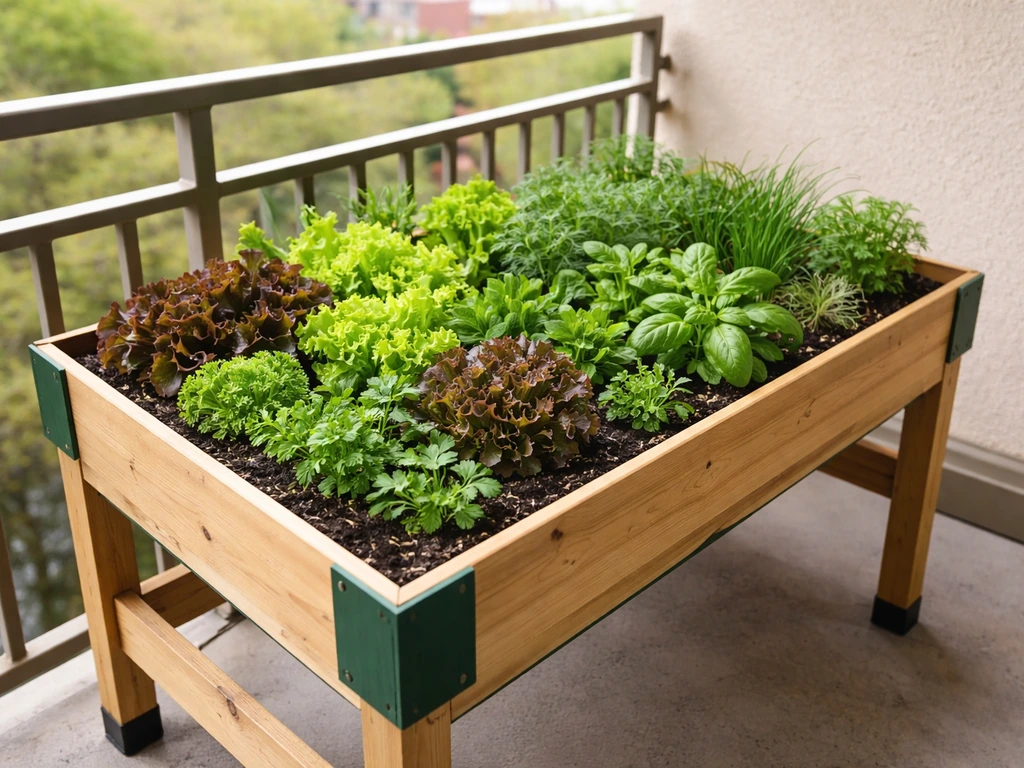
What a VegTrug patio garden actually is
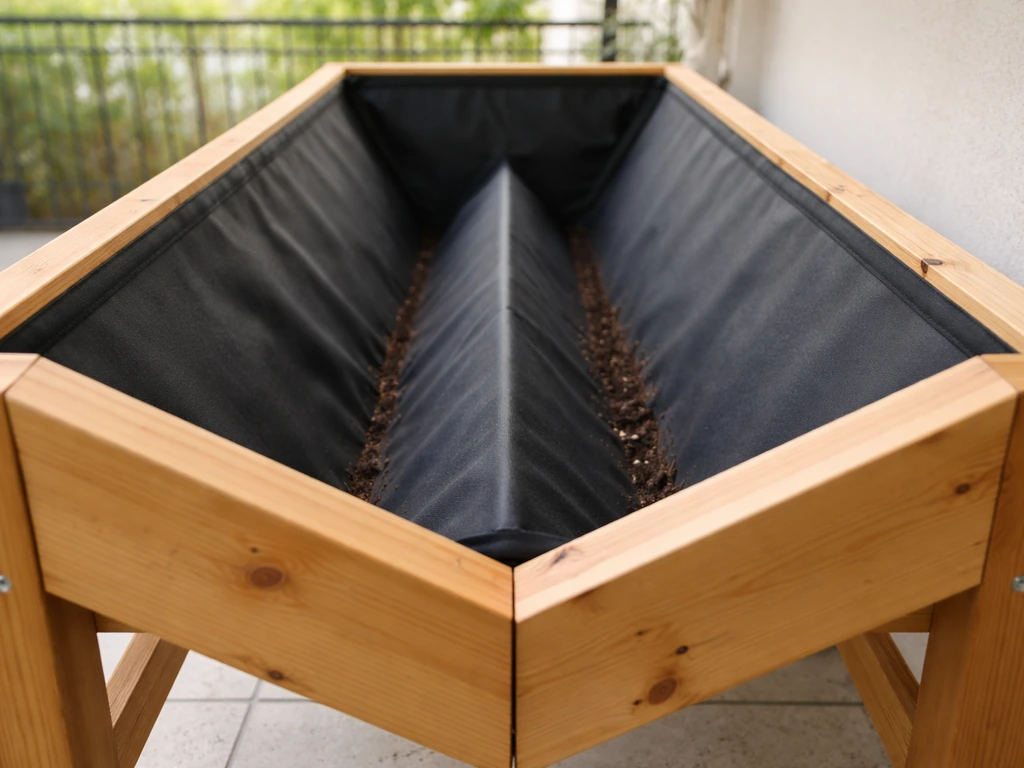
VegTrug is a British-designed raised growing system built primarily from FSC-certified wood that's pre-treated with a water-based, vegetable-safe wood preservative. The Patio Garden line is the version designed specifically for hard surfaces: patios, balconies, rooftop terraces, and decks. It sits on plastic feet that lift the wood off wet surfaces, which is supposed to prevent the base from sitting in standing water. The signature feature is a V-shaped interior profile rather than a flat bottom. That V-shape works with the perforated fabric liner to improve drainage and allow better root aeration compared with flat-bottomed raised beds or standard containers.
The liner is pre-formed to fit the V-shape and drops into the assembled frame so the top edge overlaps the sides. It holds soil in while letting excess water drain through the perforations. This is a load-bearing design element, not just a soil guard, so it genuinely matters for how the planter performs over time. The two core Patio Garden sizes are: Medium at 40.7" x 29.9" x 31.5" holding about 380 quarts (roughly 13 cubic feet) of mix, and Large at 72.2" x 29.9" x 31.5". Both sit at 31.5" tall, which is a comfortable working height for most adults without bending or kneeling. There's also a smaller Herb Garden variant sold through retailers like Ace Hardware, which is worth knowing if you just want a compact balcony option for culinary herbs.
Optional accessories include a greenhouse frame and multi-cover set (the frame is zinc powder-coated steel) that turns the planter into a cold frame or pest barrier. This is sold separately and is compatible with the Classic 1.8m and the equivalent Patio Garden sizes. It's one of the more useful add-ons based on recurring review mentions about pest pressure and season extension.
What people genuinely praise in VegTrug reviews
Elevated design and accessibility
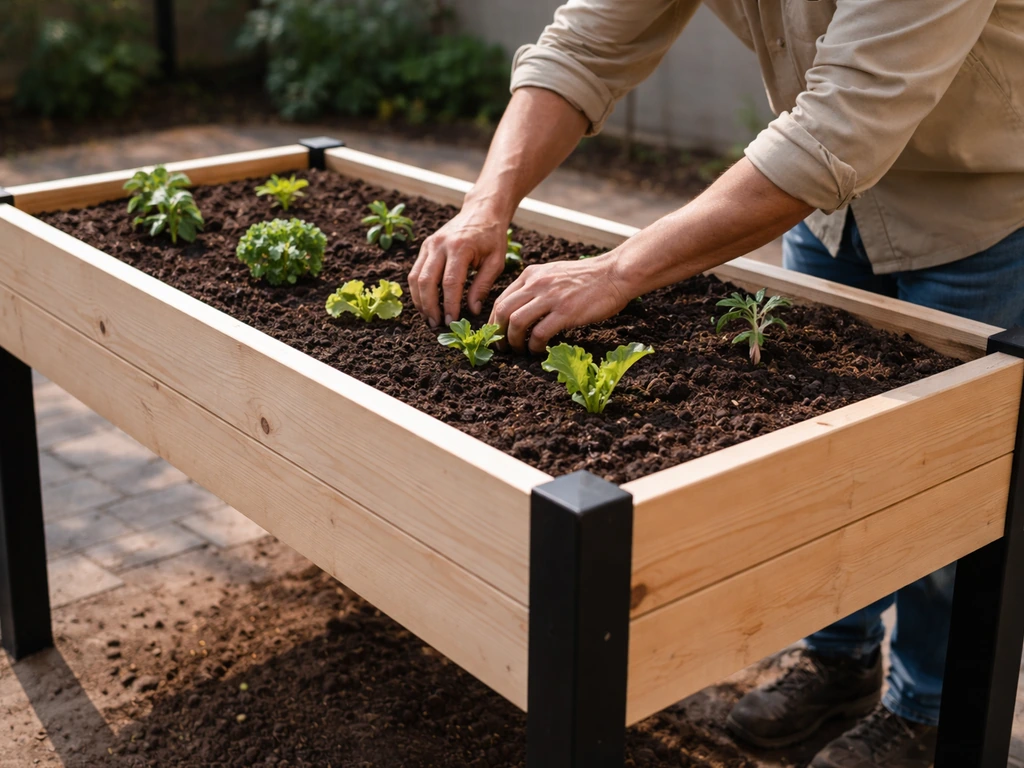
The standing height is consistently the top-rated feature. Reviewers with back problems, limited mobility, or who just hate crouching call this out repeatedly. One Oak Hill Gardens reviewer described assembling the unit solo over about an hour and highlighted how the raised design eliminated the need for kneeling entirely. For anyone growing on a rooftop or balcony where you can't have a ground-level bed anyway, this is the point of the product.
Drainage and liner performance when set up correctly
Multiple reviewers note that when the liner is installed properly and the right container mix is used, the V-shape drainage works well. If you’re evaluating garden glass patios reviews, pay extra attention to how different materials handle drainage, moisture, and long-term weather exposure. Gardening Products Review described the liner as creating a useful "equilibrium" between water retention and drainage, holding enough moisture for roots without waterlogging. The liner itself is easy to place inside the assembled frame. Reviews that highlight good drainage almost always mention using a proper container/raised-bed mix rather than garden soil.
Assembly simplicity
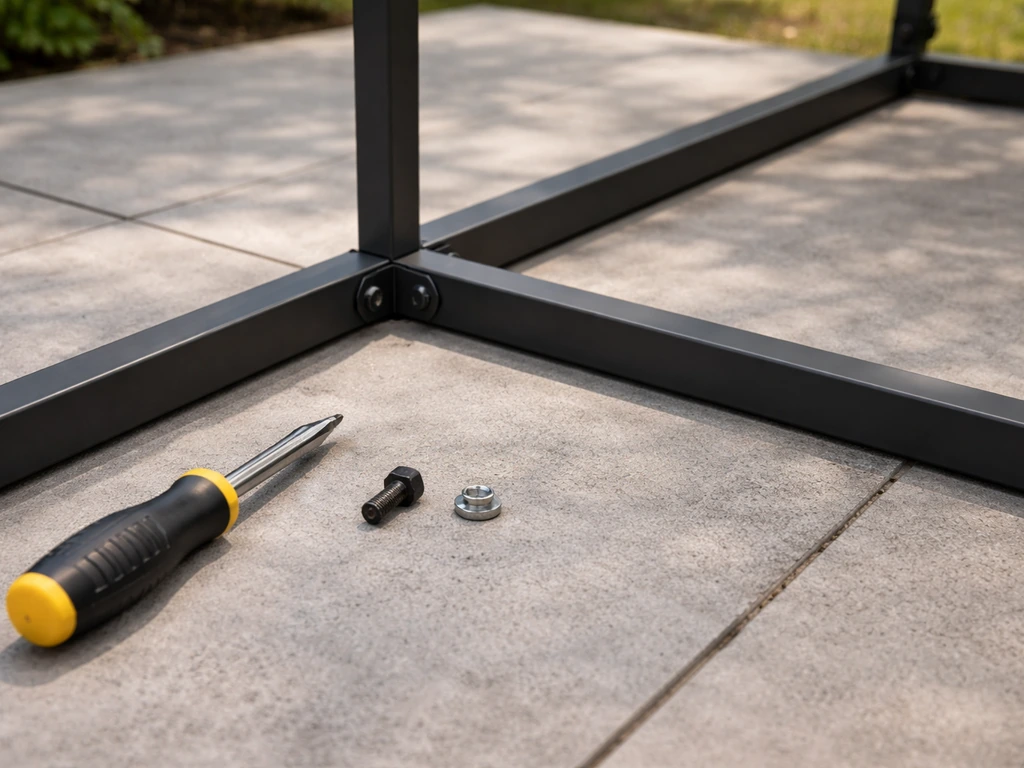
Most positive reviews treat assembly as genuinely straightforward. The one-hour estimate from multiple reviewers lines up with the official guidance: Phillips screwdriver, adjustable wrench, follow the step sequence, then drop the liner in last with the top edge overlapping the sides. The complaints about cracking (covered below) usually involve forcing components rather than working methodically.
Crop variety and patio yield
Herbs, salad greens, spinach, turnips, kale, and shallow-rooted root vegetables come up most often in positive growing reports. Balcony growers have reported successful harvests from these crop types. A Reddit post about growing balcony VegTrug turnips reports successfully harvesting purple-topped turnips as one of the crops grown in the VegTrug Balcony growers have reported successful harvests from these crop types.. Gardener's Supply also points to a weed and pest advantage from the elevated position and the liner barrier, which reviewers tend to agree with for ground-level pests.
Common complaints in VegTrug patio garden reviews (and what they actually mean)
The negative reviews cluster around four issues. Understanding what causes each one helps you decide whether it's a product defect or a setup/maintenance problem you can avoid.
| Complaint | Root cause in reviews | Avoidable? |
|---|---|---|
| Leg/foot rot | Water pooling inside oversized covers or on wet surfaces; plastic feet not lifting wood enough on persistently damp surfaces | Mostly yes, with placement and cover management |
| Wood cracking or snapping during assembly | Over-tightening or forcing connections, sometimes pre-dried wood | Often yes, with careful hand-tightening |
| Liner disintegrating or failing | Age (typically after 2+ years), UV exposure, or improper installation | Yes, replace every 2 years or when refreshing soil |
| Waterlogging / poor drainage | Using regular garden soil (too heavy, compacts), blocking drainage holes | Yes, use container mix only |
| Watering labor | Exposed soil dries out fast in sun/wind on patios/balconies | Partially, with mulch or drip irrigation |
| Sinking/instability on patio surfaces | Plastic feet on soft or uneven paving; concentrated weight load | Yes, use firm level base |
The leg rot issue is the most serious and comes up on Trustpilot and in Reddit threads. The mechanism is almost always the same: water gets trapped around or inside a cover or plastic shoe, stays in contact with the wood base, and wicks upward into the legs. One Trustpilot reviewer specifically flagged the water-capturing plastic feet as the culprit. A Reddit commenter recommended waterproofing around the drainage point as aggressively as possible for this reason. If you're in a wet climate or leaving covers on for extended periods, this is the thing to watch.
The liner complaints are almost never about the liner on delivery. They appear after a year or two of use. VegTrug's own FAQ addresses a "disintegrating liner" troubleshooting item, and they sell replacement liners specifically because this is an expected maintenance task, not a warranty anomaly. The guidance from VegTrug is to replace the liner every two years or whenever you're refreshing the soil for a new season. Factor that into your cost calculation.
The soil capacity limitation for deep-rooted crops is real and not a defect. Gardening Products Review flagged difficulty using standard tomato cages due to limited depth. If you're planning to grow indeterminate tomatoes or deep tap-root vegetables, this isn't the right planter. Leafy crops, herbs, and compact fruiting plants are a much better match for the V-shaped interior.
Who the VegTrug patio garden is best for (and when to skip it)
Based on the pattern in reviews, the VegTrug is a strong fit for a specific kind of buyer and a poor fit for others. Here's the honest breakdown:
- Best for: Balcony and patio growers with no in-ground option who want a proper raised bed experience at standing height
- Best for: Gardeners with back or knee issues who need an accessible growing surface
- Best for: Urban or condo growers focused on herbs, salad crops, and shallow vegetables
- Best for: Anyone who wants a more attractive, furniture-grade look compared to plastic containers or DIY lumber beds
- Not ideal for: Growers wanting deep root crops like full-size tomatoes, winter squash, or parsnips
- Not ideal for: Very exposed, windy balconies where soil dries out fast and frequent watering is a burden
- Not ideal for: Budget-first buyers who compare per-cubic-foot cost to DIY cedar or pine raised beds
- Not ideal for: Buyers who won't maintain the liner replacement cycle every 1-2 years
How VegTrug compares to alternatives patio growers consider
| Option | Pros | Cons | Best for |
|---|---|---|---|
| VegTrug Patio Garden | Standing height, attractive wood look, V-shape drainage, liner included, good crop capacity for shallow crops | Liner replacement cost, leg rot risk if mismanaged, not for deep-root crops, pricier than DIY | Accessible patio/balcony growing, aesthetics matter |
| Fabric grow bags (large) | Cheap, portable, good drainage, root pruning benefit | No structure, ugly on patios, tip-prone, UV degrades fast | Budget growers, temporary setups |
| Plastic raised planter boxes | Lightweight, no rot risk, cheaper | Less attractive, can fade/warp in UV, less drainage control | Pure function, no aesthetics priority |
| DIY cedar/redwood raised bed on feet | Customizable size, durable wood, no liner needed, cost-effective at scale | Requires building skills, heavier, no included drainage system | Handy homeowners, larger patios |
| Self-watering containers (large) | Reduces watering labor significantly | Lower soil volume, plastic aesthetic, limited to single plants | Busy schedules, tomatoes, peppers in containers |
If reducing watering effort is your priority, a self-watering container system or drip irrigation setup alongside the VegTrug makes more sense than switching products entirely. If you're primarily interested in the aesthetic of a wood planter at working height and you're growing shallow crops, the VegTrug is genuinely hard to beat at what it does.
How to read VegTrug reviews on a patio review aggregator
Review aggregators pull in feedback from multiple sources, which is useful but requires some filtering to get signal over noise. Here's what to look for when you're reading VegTrug patio garden reviews on a site like this one. If you’re looking specifically for greenway patio reviews, the best place to start is by comparing how buyers describe drainage, setup, and long-term maintenance Review aggregators pull in feedback.
- Filter by climate or region first. A reviewer in the Pacific Northwest dealing with persistent rain has a completely different rot risk than someone in Phoenix. Drainage complaints from wet climates don't predict your experience in a dry one.
- Distinguish setup problems from product defects. If a one-star review mentions garden soil, no liner, or an ill-fitting cover left on all winter, the issue is user-side. The product performing poorly under those conditions isn't a defect signal.
- Look at photos in reviews. Photos showing leg rot or liner failure after two years are useful maintenance data. Photos showing the same issues after three months are a legitimate red flag worth weighting.
- Match the star rating to the written review. A three-star review that says 'great planter but liner needs replacing every couple years' is actually positive data if you already planned for that cost. A five-star review from someone who just assembled it tells you almost nothing about longevity.
- Weight reviews from verified purchasers who mention specific model sizes. 'The Large in my climate after two seasons' tells you far more than a generic five-star or one-star without context.
- Check the date. Reviews from before VegTrug updated its liner materials or foot design may not reflect what you'll receive today. Look for reviews in the last 12-18 months for current product quality.
- Notice recurring themes across different sources. When the same complaint appears on Trustpilot, Reddit, and dedicated gardening review sites (leg rot from water trapping, liner replacement cycle), that's a structural pattern, not individual bad luck.
Reviews on patio-focused aggregator sites can also give you useful context about what similar outdoor product buyers experience with related setups. If you're comparing raised planter reviews alongside feedback for other garden patio products or glass-enclosed patio structures, you'll often see overlapping themes around drainage, material durability, and installation quality. That cross-comparison context is genuinely useful when you're making a significant outdoor investment. If you are comparing garden gate patio homes reviews, pay close attention to themes like drainage, material durability, and installation quality so you know what to expect.
Setup checklist: what to buy and do to avoid the most common problems
The majority of bad VegTrug experiences in reviews trace back to a handful of setup decisions made on day one. Get these right and you're avoiding most of the one-star scenarios.
- Choose the right size for your patio. The Medium (40.7" x 29.9") fits most balconies and smaller patios comfortably. The Large (72.2") needs real dedicated space. Measure your surface before ordering.
- Pick a firm, level base. The plastic feet distribute weight across a small contact area. Soft paving, gravel, or uneven surfaces create the sinking and instability concerns raised in Reddit discussions. A solid concrete patio or large pavers laid level are ideal.
- Use container/raised bed mix only. Never use garden soil. It compacts, holds too much water, and may carry weed seeds, pests, and disease. Gardening Products Review explicitly warns that poor outcomes from garden soil often get blamed on the planter itself.
- Install the liner correctly. After assembly, drop the pre-formed liner in so the top edge overlaps the sides of the planter. This is the step in the build instructions that people skip or rush, and it affects how well drainage and soil containment work.
- Don't over-tighten connections during assembly. Wood cracking and snapping complaints almost always involve forcing joints. Snug and firm is enough.
- If using a greenhouse cover, ensure ventilation. Closed covers trapping moisture against the wood is the main mechanism behind leg rot. Lift or vent covers regularly in wet weather.
- Consider adding mulch on top of the soil surface. The exposed soil in a VegTrug dries out faster than in-ground beds, especially in sun or wind. A light layer of mulch cuts watering frequency significantly.
- Buy a replacement liner at the same time. Gardener's Supply and VegTrug's own site both sell them. Having one on hand means you'll replace it on schedule rather than waiting until the old one fails mid-season.
Recommended accessories worth adding
- Greenhouse frame and multi-cover set (zinc powder-coated steel frame): useful for season extension and keeping birds or insects off crops, but use with ventilation
- Replacement liner (buy upfront): budget for one every 1-2 years as a routine maintenance item
- High-quality container/raised bed potting mix: non-negotiable for drainage and pest avoidance
- Drip irrigation or soaker hose adapter: addresses the watering-is-a-pain complaint from long-term owners
- Water-based wood preservative (vegetable-safe): for re-treating the exterior every 2-3 seasons, especially legs and feet contact areas
Maintenance, seasonal care, and troubleshooting by review theme
Annual and end-of-season maintenance
Long-term VegTrug owners on Reddit report a practical two-task annual routine: replace the liner when refreshing soil at the start of a new growing season, and re-treat the exterior wood. VegTrug's own documentation supports the every-two-years liner cadence, and treating the wood with a water-based vegetable-safe preservative keeps the pre-treatment protection active. The legs and the base section near the plastic feet are the highest-priority areas for wood treatment because those surfaces face the most persistent moisture exposure.
Troubleshooting rot in the legs
If you're seeing early rot signs at the leg bases, the first thing to check is whether water is being trapped by the plastic feet or a cover that's too close to the ground. Remove the feet temporarily, inspect the wood ends, dry them thoroughly, and apply a wood preservative. Some owners in Reddit modification threads have added additional waterproofing around the drainage exit point specifically to prevent wicking. If the rot has progressed significantly, replacement legs are the practical fix rather than trying to salvage compromised wood.
Troubleshooting waterlogging
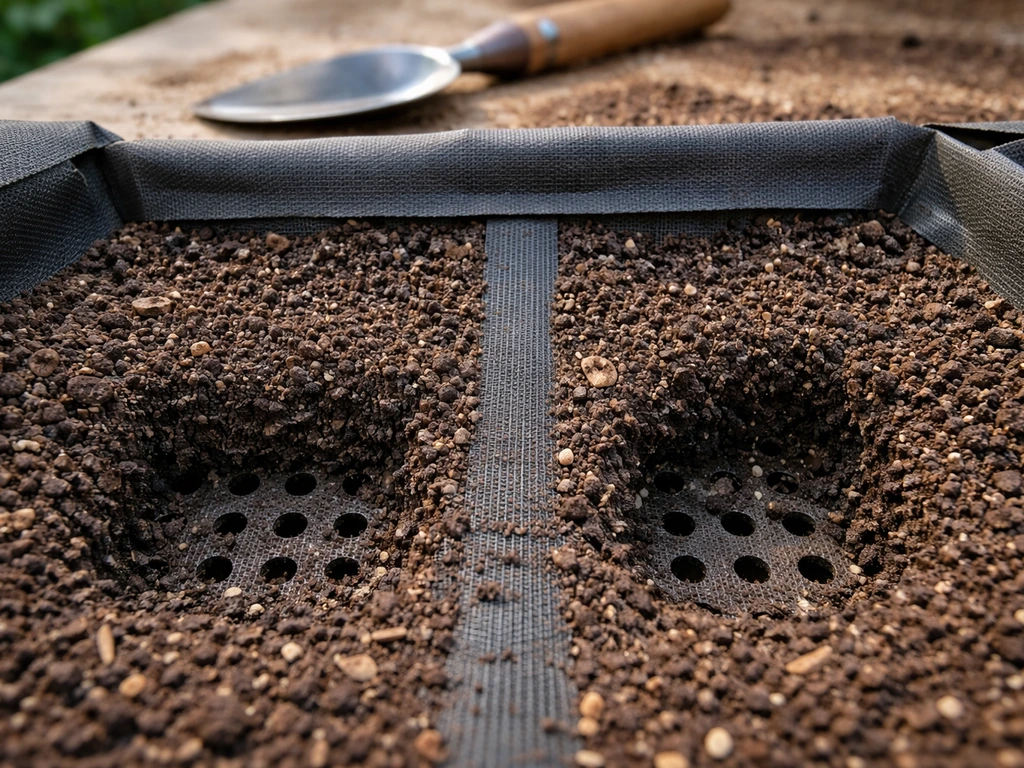
Waterlogging in a properly set-up VegTrug almost always comes down to one of two things: the wrong soil type or a blocked drainage path. Check that the liner's drainage perforations aren't clogged with compacted fine soil particles. If you've been using garden soil or a very fine potting mix, the V-shape drainage channel may be partially blocked. Refresh with a coarser container mix that includes perlite or bark for structure.
Troubleshooting pest pressure
The elevated position and liner barrier do reduce ground-level pest access, which is one of the genuine advantages reviewers mention. For flying insects, slugs climbing the legs, or birds, the greenhouse cover set is the most effective response. Some growers also note that companion planting with alliums (onions, garlic) provides useful fungal and aromatic pest deterrence in the limited soil volume of a VegTrug planter. If pests are appearing in the soil itself, the most likely source is garden soil or unsterilized compost introduced at planting.
Managing watering in warm or windy conditions
The most honest long-term complaint in VegTrug reviews is that daily watering becomes a genuine chore on exposed patios or balconies during summer. Mulching the soil surface, grouping the VegTrug near a water source, or adding a simple drip irrigation timer are all solutions that reviewers who stuck with the product eventually adopted. If you want to compare real-world results before you commit, browsing garden and patio reviews for patio raised bed watering and drainage tips can help you sanity-check your setup choices. A larger model also holds soil moisture better than a smaller one by simple volume, so if your site is exposed, the Large may be worth the footprint for that reason alone.
FAQ
What soil mix prevents the waterlogging and drainage complaints people mention in vegtrug patio garden reviews?
Use a container or raised-bed mix, not garden soil. If the mix is too fine, it can clog the liner drainage perforations and the V-channel, which leads to waterlogging even when the planter is assembled correctly. A practical test is to water the empty liner area first, then confirm drainage flow is steady rather than sluggish or pooled.
I’m seeing rot around the legs, what should I check first before blaming a product defect?
If you notice early rot at the leg bases, prioritize moisture isolation at the plastic feet and any nearby cover edge. Dry the affected wood ends thoroughly, re-treat with a water-based vegetable-safe preservative, and only then reassemble. If the wood is soft or you see deep cracking, replacement legs are usually a better outcome than repeated spot treatments.
How often should I replace the VegTrug fabric liner in real-world patio use?
Plan on replacing the liner on about a two-year cycle, ideally when you refresh soil for the new season. Treat the liner like a wear component, not a warranty item. If you use it year-round in wet climates or keep covers on for long stretches, shorten the cadence based on how quickly the liner material degrades.
Can I grow tomatoes successfully in a VegTrug patio garden, and what varieties work best?
The container is shallow enough that you should avoid indeterminate tomatoes and other deep tap-root crops. Stick to herbs, leafy greens, spinach, compact fruiting plants, and shallow-rooted vegetables. If you want tomatoes, choose determinate varieties trained to stay compact, or grow tomatoes in a deeper pot alongside the VegTrug.
What changes should I make if I’m installing a VegTrug on a rooftop terrace or balcony?
Yes, but you need to treat rooftop and balcony setups like drainage systems, not just planters. Confirm the surface can handle runoff, place the bed so water can exit without pooling underneath, and consider using a drip irrigation line to avoid overwatering in wind-exposed conditions. A greenhouse cover set can help with temperature swings, but monitor moisture closely if it traps damp air.
Are there common assembly mistakes that lead to cracking, poor drainage, or liner issues?
Solo assembly is possible, but method order matters. Make sure components are fitted without forcing, use the specified tools, and only drop the liner in after the frame is fully aligned. If the liner top edge does not overlap evenly, drainage and load behavior will be worse and rot risk increases.
How do I reduce pests on a patio raised bed, especially slugs and flying insects?
For pest pressure, the strongest leverage is physical barrier plus crop strategy. Use the greenhouse frame or multi-cover set when pests are active, and consider companion planting with alliums (onion and garlic) for deterrence. If pests are coming from the soil, the bigger fix is avoiding garden soil and compost that introduces eggs or larvae into the limited volume.
What are realistic ways to reduce daily watering demands with a standing-height patio raised bed?
Daily watering becomes a chore mainly on exposed patios and during summer. Practical fixes that work with this format are mulching the surface, placing near a water source for shorter routines, and adding a drip irrigation timer. If you’re deciding between sizes, the larger model holds more moisture and typically reduces how often you need to water.
How can I tell if my drainage problems are from clogged liner holes versus something else in setup?
If your drainage perforations clog, the issue usually comes from compaction or overly fine soil particles. Refresh with a coarser container mix that includes structure ingredients such as perlite or bark, then gently loosen the surface before watering. Avoid compressing the mix during planting, and keep the liner perforations unobstructed.
Greenway Patio Reviews: How to Vet Them Before You Hire
Vet Greenway Patio reviews: compare ratings, red flags, contract terms, and due diligence before you hire.