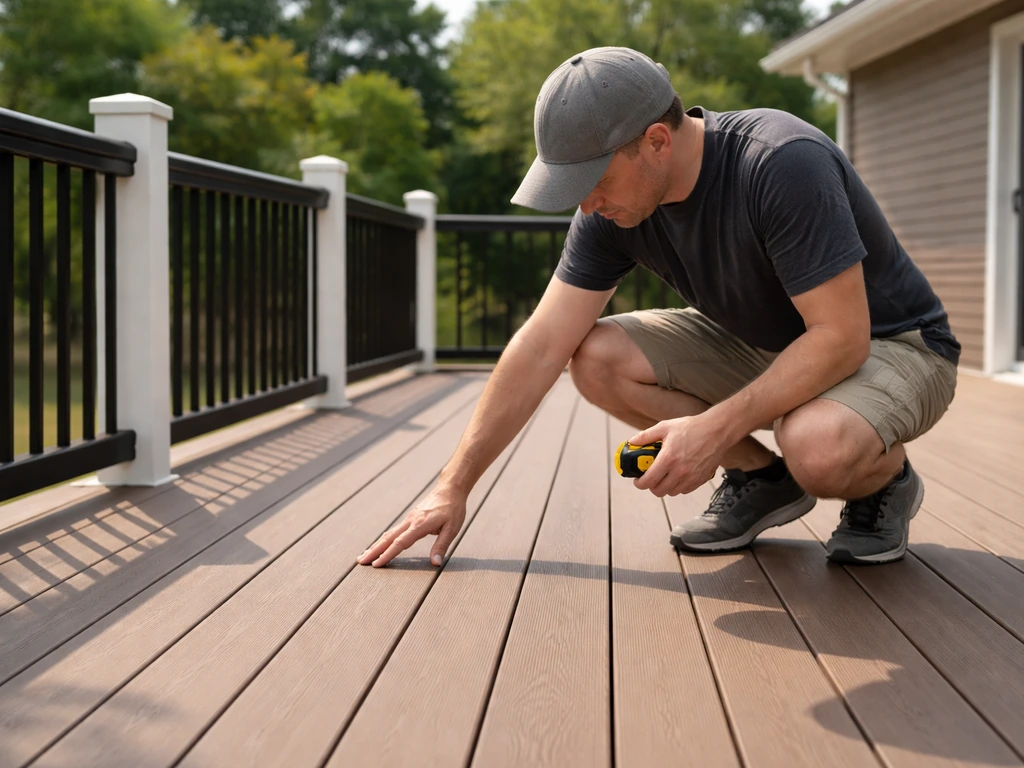
DecoArt Patio Paint Outdoor Acrylic Paint holds up reasonably well for decorative outdoor surfaces like terra cotta pots, concrete stepping stones, and painted wood accents, but it is not a floor coating or heavy-traffic sealant. Reviews consistently praise UV resistance, coverage, and color retention over multiple seasons, while the most common failures trace back to skipped surface prep or rain exposure before the mandatory 72-hour cure window closes. If you match the product to the right surface and give it time to cure properly, it delivers on its outdoor promises. If you rush the cure or use it on a high-traffic floor, you will likely be disappointed.
DecoArt Patio Paint Reviews: What Works for Real Outdoors

Vera Grady
17 Jun 2026
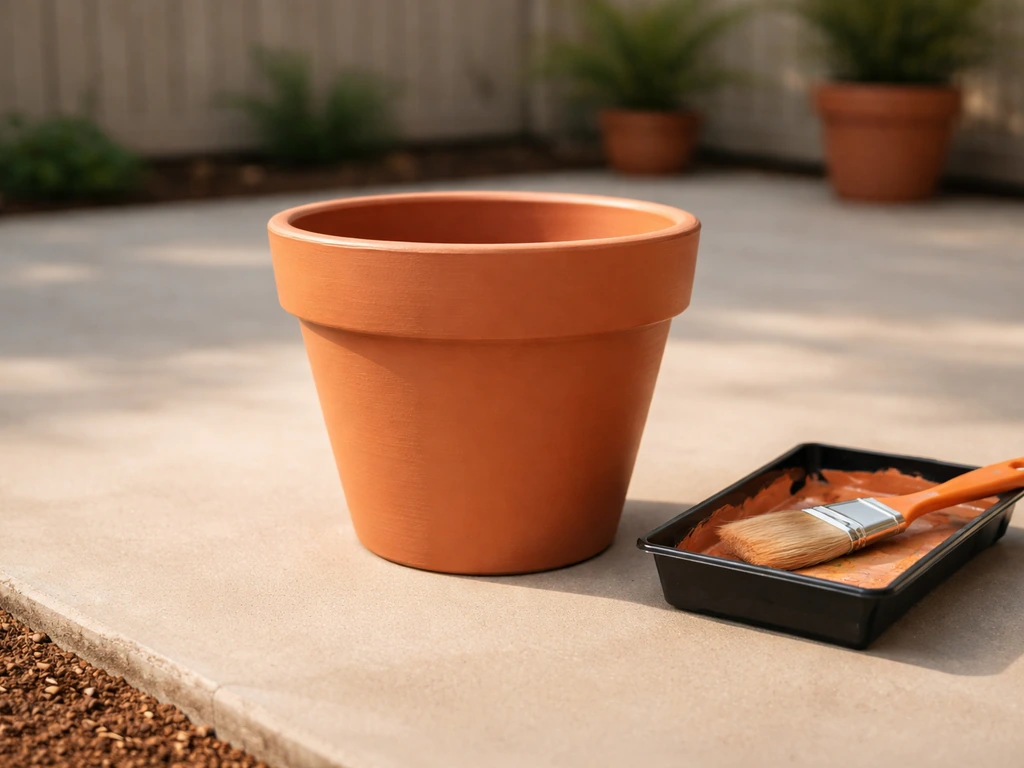
What DecoArt Patio Paint actually is (and where it belongs)
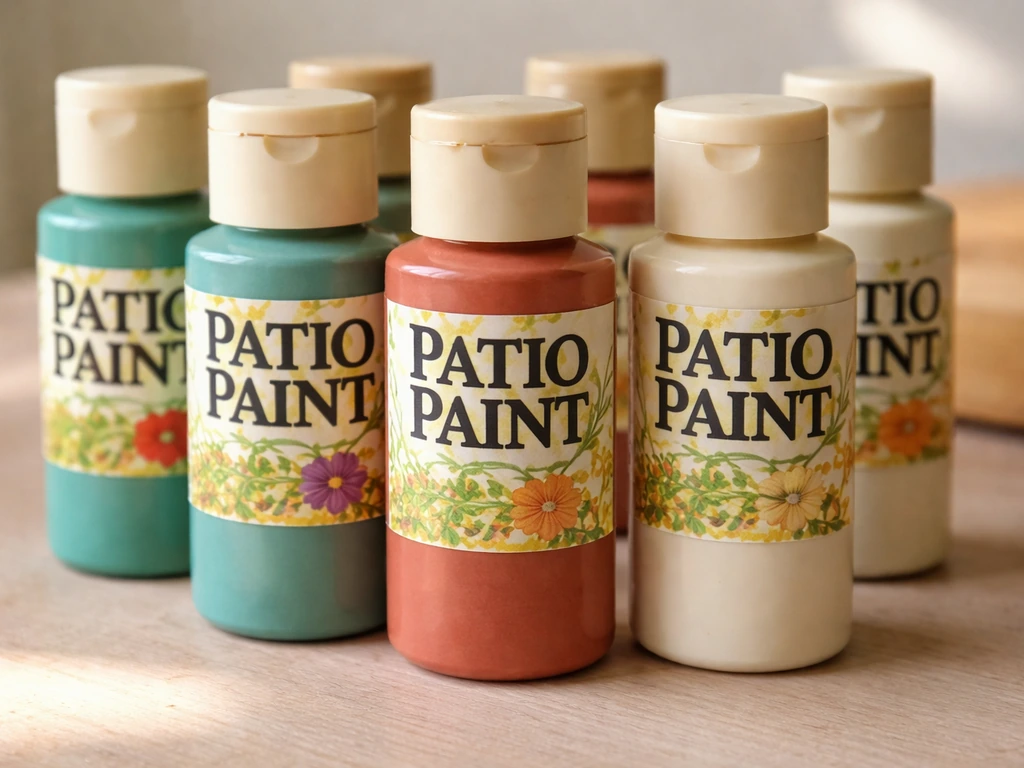
DecoArt's Patio Paint line is water-based outdoor acrylic paint sold primarily in 2 oz bottles, the kind you find at craft retailers, not paint counters. The flagship product is Patio Paint Outdoor Acrylic Paint (example SKU: DCP61-30 "Vintage Rose"), finished in satin with a scuff-resistant surface. The brand also sells variants including Patio Paint Outdoor Acrylic Neon Paint (for bright statement colors), Patio Paint Brights Outdoor Paint Sets, and Pastel Patio Paint Outdoor Paint Sets, all governed by the same core guidance and the same 72-hour moisture restriction.
DecoArt explicitly lists compatible surfaces as: concrete, terra cotta, masonry, wood, stucco, stone, ceramic bisque, cast aluminum, and Styrofoam. That is a wide list, but notice what is not on it: high-traffic patio floors intended to hold up under furniture drag, constant foot traffic, or poolside splash zones. This is a decorative acrylic, not an epoxy floor coating. Keeping that distinction clear will save you from the most common buyer disappointment in the reviews. If you are comparing options like faser decks and patio covers, the best approach is to look for review details on material compatibility and weather performance Keeping that distinction clear will save you from the most common buyer disappointment in the reviews..
How to actually read DecoArt patio paint reviews
DecoArt's own product page shows an overall rating of 5.0 out of 5 from 31 reviews, which sounds perfect, but a nearly uniform 5-star rating on a brand's own site tells you more about who is leaving reviews than about real-world durability. You need to cross-reference what those reviewers are actually saying and compare it against independent platform feedback to get a complete picture. If you want broader guidance, you can also look through American deck and patio reviews to compare expectations for similar outdoor coatings. Here is what to look for when sorting through any batch of DecoArt patio paint reviews:
- UV and sun exposure: reviewers on DecoArt's page specifically say the paint "withstands the daily UV rays from the sun" and "does not flake off" — this is worth noting because it is consistent across multiple comments, not a one-off claim.
- Longevity language: at least one reviewer describes results as looking "beautiful, years later" — vague on climate details but encouraging for a craft-scale acrylic.
- Coverage praise: "This paint coats very well" and "cleans up very well with soap and hot water" appear repeatedly, suggesting consistent pigment density and water-based cleanup is a genuine strength.
- Peeling and adhesion failures: when negative reviews appear on third-party platforms, they almost always mention either (a) skipped surface cleaning, or (b) rain or dew hitting the piece within 72 hours of application — not inherent product failure.
- Surface mismatch complaints: some frustration comes from buyers using a 2 oz craft-style acrylic on a full concrete patio floor expecting floor-coating performance — a product fit problem, not a formula problem.
- Color accuracy: neon and bright variants get consistent praise for staying vibrant outdoors, which is harder for acrylic paints to achieve without UV stabilizers.
- Spray vs. brush results: most reviews reference brush and sponge application; spray application is less documented in existing reviews, so if you plan to spray, test on a scrap piece first.
One thing to flag: DecoArt's Patio Paint line includes several distinct variants (standard, neon, brights set, pastel set). When reading a review, check which product the reviewer actually used, because coverage, opacity, and color intensity differ between a pastel and a neon formulation even though the outdoor guidance is identical. For deeper guidance, you can also compare deck and patio company reviews to see what customers report about real-world durability and prep patio paint reviews.
Where this paint performs best (and where it struggles)
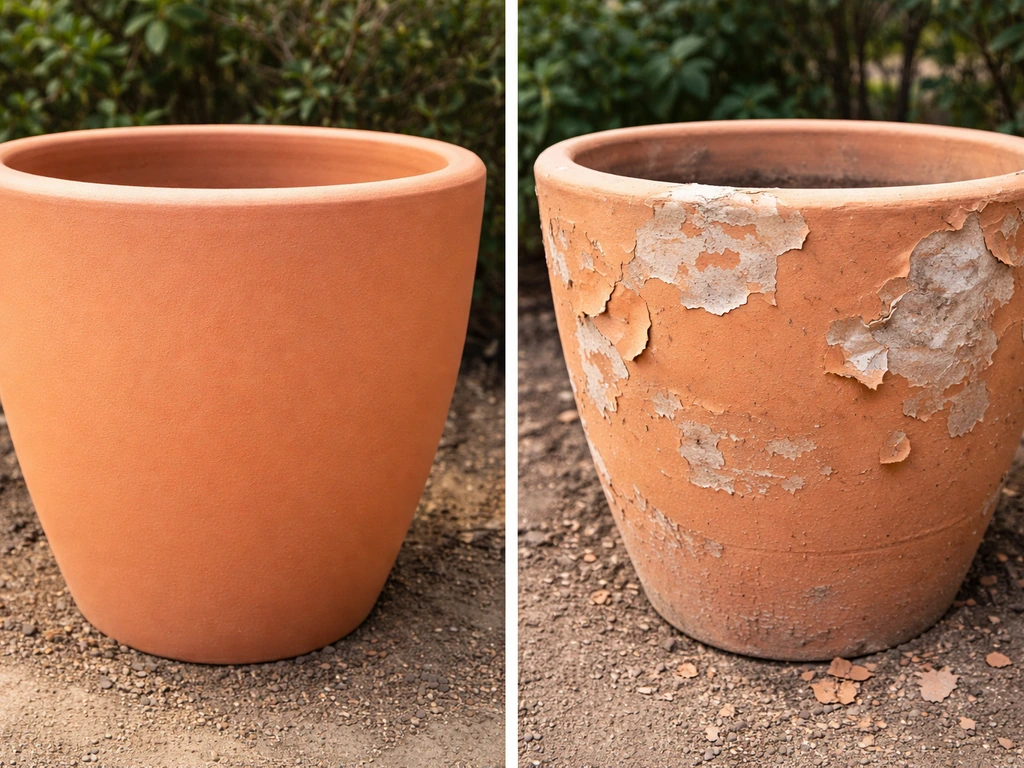
Matching the product to the right surface and climate makes the difference between a finish that lasts years and one that peels by the next season. Here is a practical breakdown:
Surfaces where it works well
- Terra cotta pots and planters: probably the single most commonly reviewed use case, and the most consistently successful one. The porous surface grips acrylic well.
- Painted concrete stepping stones and decorative pavers: TexasArt's product listing specifically mentions it "stands up to foot traffic on painted stepping stones" — light foot traffic on decorative stones, not a full floor.
- Masonry garden accents, stucco surfaces, and stone statuary: good adhesion confirmed across multiple retailer descriptions and user comments.
- Wood outdoor furniture and accents: works on sealed and unsealed wood, though heavily weathered or peeling wood needs prep first.
- Cast aluminum outdoor furniture: listed as compatible; suitable for touch-up work on painted metal pieces.
- Ceramic bisque and Styrofoam: niche uses, but confirmed compatible for decorative outdoor projects.
Conditions and climates to consider
- Temperature during application: must be between 45°F (7°C) and 85°F (30°C) for both air and surface temperature. Applying outside that range risks poor adhesion and uneven drying.
- After application in cool conditions: allow four hours before the painted surface is exposed to temperatures below 45°F — important in early spring or fall projects.
- Moisture exposure: the 72-hour no-moisture window is non-negotiable. Rain, heavy dew, or sprinklers hitting an uncured piece is the number one cause of documented failures.
- High humidity climates: if you are in the Gulf Coast, Florida, or Pacific Northwest, plan around weather forecasts carefully. A 72-hour dry window is harder to guarantee in humid climates.
- UV exposure: reviews and brand claims align here — this paint handles direct sun reasonably well for a water-based acrylic, better than many craft acrylics not labeled for outdoor use.
- High foot traffic floors: not recommended. For a full concrete patio floor that sees daily foot traffic, furniture movement, and moisture, look at dedicated patio floor coatings instead.
How to apply it right (the steps that reviewers say matter most)
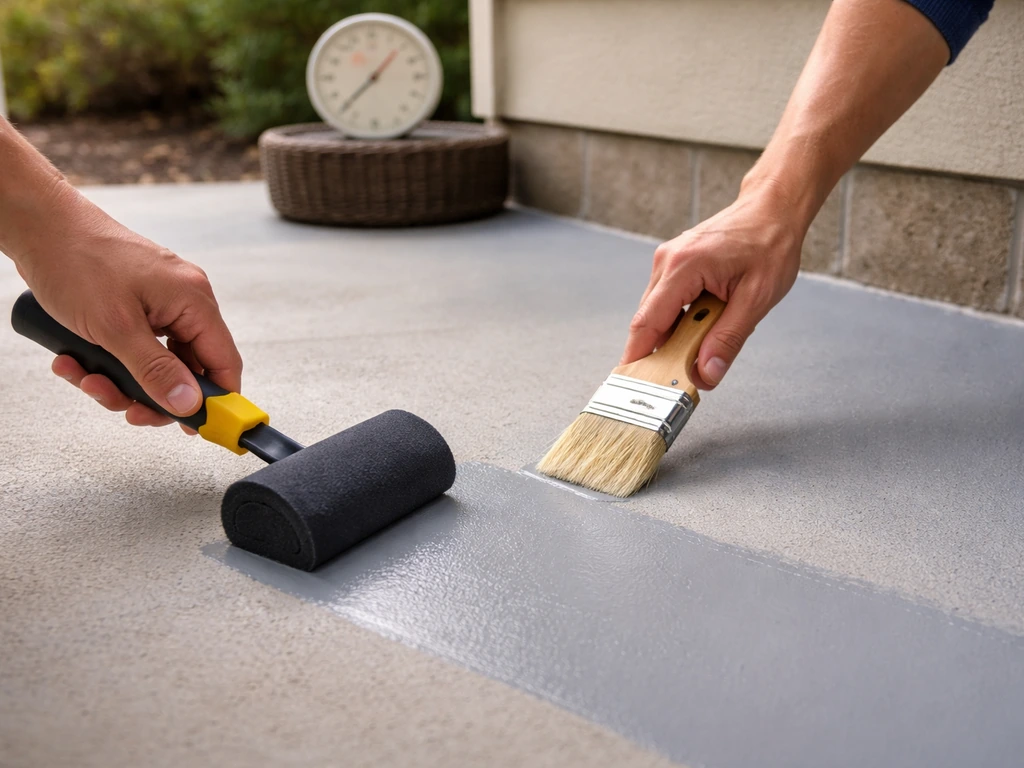
DecoArt says you do not need a primer or sealer with Patio Paint, that is a direct quote from their Q&A. And for clean, dry surfaces in good condition, that holds up in the reviews. But "no primer needed" does not mean "no prep needed." Here is a walkthrough that reflects what the review record consistently rewards:
- Clean the surface thoroughly. Remove dirt, grease, mildew, loose paint, and any chalking. For concrete or masonry, scrub with a stiff brush and let it dry completely — trapped moisture under the paint is the most common cause of blistering and peeling, as general outdoor paint guidance repeatedly confirms.
- Check the temperature. Air and surface both need to be between 45°F and 85°F. Do not apply on a blistering 95°F summer afternoon or early morning when surfaces are still cold.
- Check the weather forecast. You need a clear 72-hour window — no rain, no heavy dew, no irrigation systems running near the piece.
- Apply the first coat. Use a brush, sponge, or foam roller depending on the surface texture. Coverage is consistently praised in reviews, so you do not need to over-apply.
- Allow the first coat to dry. DecoArt guidance references standard acrylic dry times between coats; in practice, wait at least one to two hours in normal conditions before applying a second coat.
- Apply the second coat for opaque coverage. The brand's guidance specifies one to two coats depending on desired opacity. Two coats is the standard recommendation for full, even color.
- Do not expose to moisture for 72 hours. This is the most important step reviewers who report failures skipped. Keep the piece sheltered, away from sprinklers, dew, and rain for three full days.
- Optional clear coat over the piece: this is not required by DecoArt, but community advice for outdoor craft projects suggests that a compatible clear sealer over a finished, fully cured piece can extend longevity — especially on high-wear decorative pieces like stepping stones. Test on a small sample first to confirm compatibility.
Durability and how it compares to alternatives
For a water-based acrylic at craft-scale pricing, DecoArt Patio Paint performs better than you might expect. MisterArt's product listing describes it as "extremely waterproof and durable" and claims it "will not crack or peel", that is marketing language, but it broadly tracks with what the review record shows for properly prepped and cured applications. Multi-season longevity is documented in at least some reviews, though specifics on climate are rarely provided.
The honest comparison: DecoArt Patio Paint is a decorative craft acrylic, not a floor coating. It belongs in a different category than products like BEHR Premium Porch and Patio Floor Paint, which is an acrylic latex floor coating engineered for continuous foot traffic, UV resistance at scale, and heavy moisture exposure on horizontal surfaces. If your project is a full concrete patio floor, an entire deck surface, or a pool surround, a dedicated patio floor coating is the more appropriate product, and the review record for floor coatings reflects requirements (crack resistance, slip resistance, mil thickness) that Patio Paint simply is not designed to meet.
| Feature | DecoArt Patio Paint Outdoor | Dedicated Patio Floor Coating (e.g., BEHR Porch & Patio) |
|---|---|---|
| Best use | Decorative accents, pots, stepping stones, furniture | Full patio/porch floors, high-traffic horizontal surfaces |
| Finish | Satin, scuff resistant | Typically low-sheen or satin, slip-resistant formulas available |
| Surface compatibility | Concrete, terra cotta, masonry, wood, metal, stucco, stone | Primarily concrete, wood, and composite floor surfaces |
| Primer required | No (per brand Q&A) | Often yes, especially on bare concrete |
| Coats | 1–2 | 2 or more typical |
| Moisture cure window | 72 hours no moisture exposure | Typically 24–72 hours, varies by product |
| UV resistance | Positive review evidence | Engineered UV resistance, higher durability rating |
| Application temperature | 45°F–85°F | Similar range, typically 50°F–90°F |
| Price scale | Low (craft/hobby pricing) | Moderate to high (contractor/hardware grade) |
| Foot traffic rating | Light (decorative stepping stones) | Heavy (designed for full floor use) |
If you are comparing patio surface options more broadly, including professional installations, specialty flooring like teak patio flooring, or contractor-applied coatings, the product category matters as much as the brand. If you are shopping specifically for teak patio flooring, pairing your expectations with real teak patio flooring reviews can help you pick a more suitable finish and maintenance routine. DecoArt is the right answer for decorative DIY work; it is the wrong answer for structural or high-traffic floor applications.
Weatherproofing, cleaning, and when to recoat
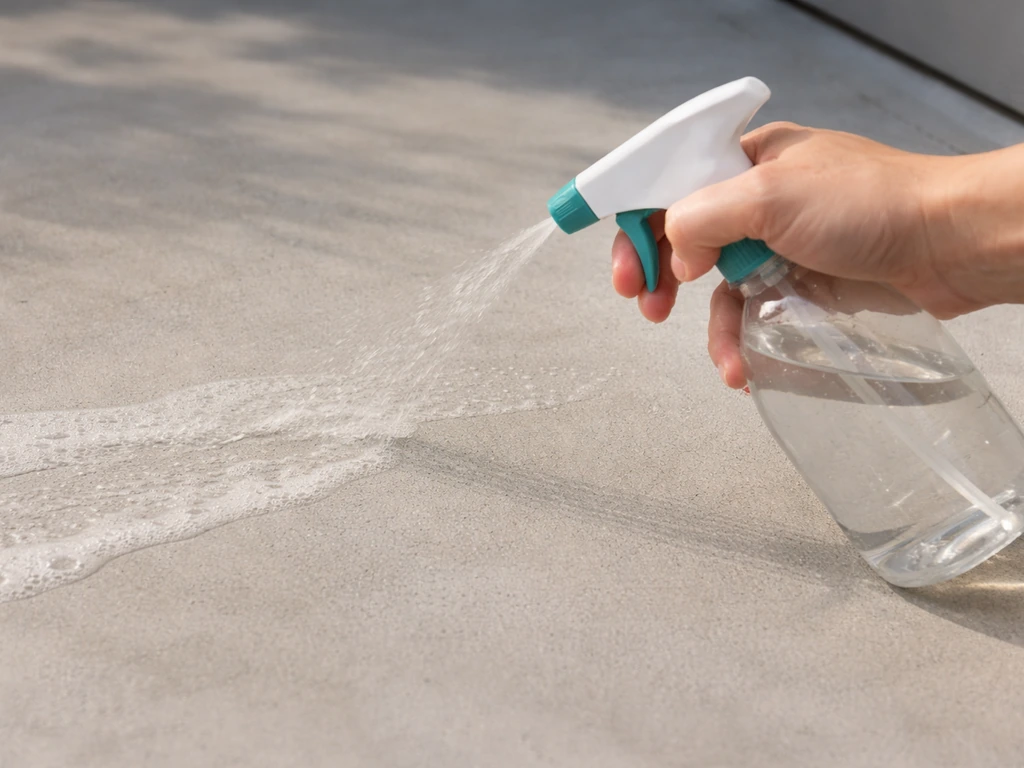
Once the 72-hour cure window closes, DecoArt Patio Paint handles normal outdoor weathering well based on the review record. DecoArt's product guidance for the Patio Paint Outdoor Acrylic Neon Paint also warns not to expose it to moisture for 72 hours during the cure window. UV exposure is the most consistently praised performance attribute. If you want more targeted guidance, look for Maryland deck and patio reviews to compare how similar paints perform on local surfaces and seasonal conditions. Here is what to expect for ongoing maintenance:
- Cleaning: soap and hot water is all you need — multiple reviews specifically call this out as a strength. No solvents or special cleaners required.
- Fading: expect some gradual fading on deeply pigmented colors after two or more seasons of direct sun, consistent with any water-based acrylic. Neon variants are reported to hold color well outdoors.
- Touch-ups: the water-based formula makes touch-ups straightforward — clean the area, let it dry, and apply a thin coat. The same 72-hour moisture rule applies to touch-up coats.
- Recoat timing: there is no published hard rule on recoat intervals from DecoArt. A practical approach is to recoat when you see visible fading, minor scuffing, or loss of sheen — typically one to three years depending on climate and sun exposure.
- Winter storage: for portable pieces like pots or furniture, bringing them indoors or under cover during harsh winters extends the finish significantly. Freeze-thaw cycles are harder on painted surfaces than UV exposure.
- Sealer overlay: if you applied an optional clear sealer over the cured paint, check and renew the sealer layer before it fails rather than waiting for the paint beneath it to show damage.
How to decide if DecoArt Patio Paint is right for your project
Run through this checklist before buying. If you hit a "no" on the core questions, it is worth reconsidering the product or adjusting your plan before you commit to a full project.
- Is my surface on the compatible list? (Concrete, terra cotta, masonry, wood, stucco, stone, ceramic bisque, cast aluminum, or Styrofoam — if yes, proceed.)
- Is this a decorative or accent application, not a full floor coating? (If you need a floor coating for foot traffic or furniture, this is not the right product.)
- Can I guarantee a 72-hour dry window after application? (Check your local forecast. If your climate makes three dry days hard to guarantee, plan your project timing carefully.)
- Will the air and surface temperature stay between 45°F and 85°F during and after application? (Early spring and late fall projects in cold climates need careful timing.)
- Is the surface clean, dry, and free of loose material? (If not, prep it first — this step is where most failures start.)
- Do I need the exact variant I'm buying? (Match your color need to the correct sub-line: standard, neon, brights, or pastel — they have different opacity and pigment intensity.)
- Have I tested on a small scrap or hidden area first? (For a new surface type or if you plan to spray instead of brush, a small test patch before committing to the full project catches compatibility issues early.)
- Am I comfortable with light to moderate durability expectations? (This paint holds up well for decorative outdoor uses. It is not an epoxy or floor-grade coating, and setting realistic expectations upfront will keep you satisfied with the result.)
If you checked yes on all of the above, DecoArt Patio Paint Outdoor is a solid, well-reviewed choice for DIY patio décor projects at a price point that makes it easy to experiment. The review record is genuinely positive when the product is used as intended, which is the clearest signal any practical buyer can ask for. If your project involves a full patio floor, professional installation, or surfaces beyond the compatible list, explore dedicated floor coatings or consult a local patio contractor for guidance on what will hold up in your specific climate and use case. If you are comparing providers, including Michigan deck and patio doctors reviews, make sure they show examples that match your exact surface type and climate local patio contractor.
FAQ
Are DecoArt patio paint reviews really comparable if people used different variants like neon or pastel?
Not always. Neon and pastel versions can differ in opacity and how intensely color shows after curing, so a “failed” or “great” result may be tied to the specific variant. When you read decoart patio paint reviews, filter for the exact shade name or the product type (standard, neon, brights set, pastel set).
Does DecoArt patio paint work the same on vertical surfaces versus a horizontal patio floor?
No. Reviews tend to do better on decorative, lower-abuse applications like pots, stepping stones, and painted accents. For horizontal areas with foot traffic, furniture drag, or pool splash zones, the paint is more likely to wear faster because it is not built to be a floor coating.
If DecoArt says primer is not needed, why do some reviews still report peeling or flaking?
Most peeling reports trace back to prep or moisture exposure during the cure period. Even if primer is optional, you still need a clean, dry, properly conditioned surface and you should avoid rain or sprinkler contact until the full 72-hour cure window finishes.
What’s the most common mistake that shows up in decoart patio paint reviews?
Rushing the cure. Many negative outcomes happen when the finish gets exposed to moisture or heavy handling too soon, even if the paint looks dry to the touch. Plan for full drying time plus a buffer day if a weather change is possible.
How long should you wait before reinstalling items or exposing the painted surface to wet weather?
Use the 72-hour cure guidance as the minimum, then consider extra time for real-world risk. If your surface sees morning dew, frequent splashes, or damp shade conditions, an additional 24 to 48 hours can reduce the chance of softening or uneven curing.
Can I apply DecoArt patio paint over existing paint or sealant?
Only if the existing layer is sound and compatible. If there is peeling, chalky residue, or an unknown sealant, you may get adhesion problems. A safer approach is to scuff sand to promote grip, clean thoroughly, and test on a small spot before repainting fully.
How many coats usually prevent the “thin coverage” complaints in reviews?
Single-coat results vary a lot by color and surface porosity. Dark or saturated shades often cover better, while lighter pastels and some neons may need an extra coat for consistent look. If coverage looks patchy after the first coat, plan for a second coat rather than increasing thickness all at once.
Is DecoArt patio paint durable enough for outdoor furniture that gets dragged or stored outdoors?
It can work for decorative furniture and occasional wear, but it is not equivalent to a high-traffic or impact-rated floor coating. If your furniture will be dragged frequently across the same spots, expect faster scuffing unless you use protective measures like felt pads or controlled placement.
What should I check before buying if I live in a humid or rainy climate?
Prioritize cure timing and surface dryness over label promises. In humid regions, even if the surface looks dry, trapped moisture can interfere with adhesion. Choose a multi-day stretch with no rain and verify the surface is thoroughly dry before you start.
Do scuffs or scratches mean the paint failed, or can it be fixed?
Light scuffs after curing can often be corrected with spot touch-ups. For better results, clean the area, lightly scuff the surrounding finish, and repaint the scuffed spot with a matching color. If the paint lifts in flakes, that points back to prep or early moisture exposure, and you may need to strip or fully rework the area.
How should I interpret a high rating like 5.0 on the brand site in decoart patio paint reviews?
Treat it as directional, not definitive. A uniform brand-site rating can reflect the kinds of customers who review and the kinds of projects they attempt. Look specifically for details about surface type, prep steps, cure conditions, and how long the results lasted, then compare those points against independent review sources.
Is DecoArt patio paint a good choice if my project is a full concrete patio floor?
Usually no. Even if it adheres to some concrete, patio paint is primarily a decorative acrylic and not designed for slip resistance, crack handling across a large horizontal slab, or continuous foot traffic. If you need floor-like performance, choose a dedicated porch and floor coating instead.
Next Article
Michigan Deck and Patio Doctors Reviews: Sterling Heights Guide
Get practical Michigan Deck and Patio Doctors reviews for Sterling Heights plus how to spot credible patterns and vet bi