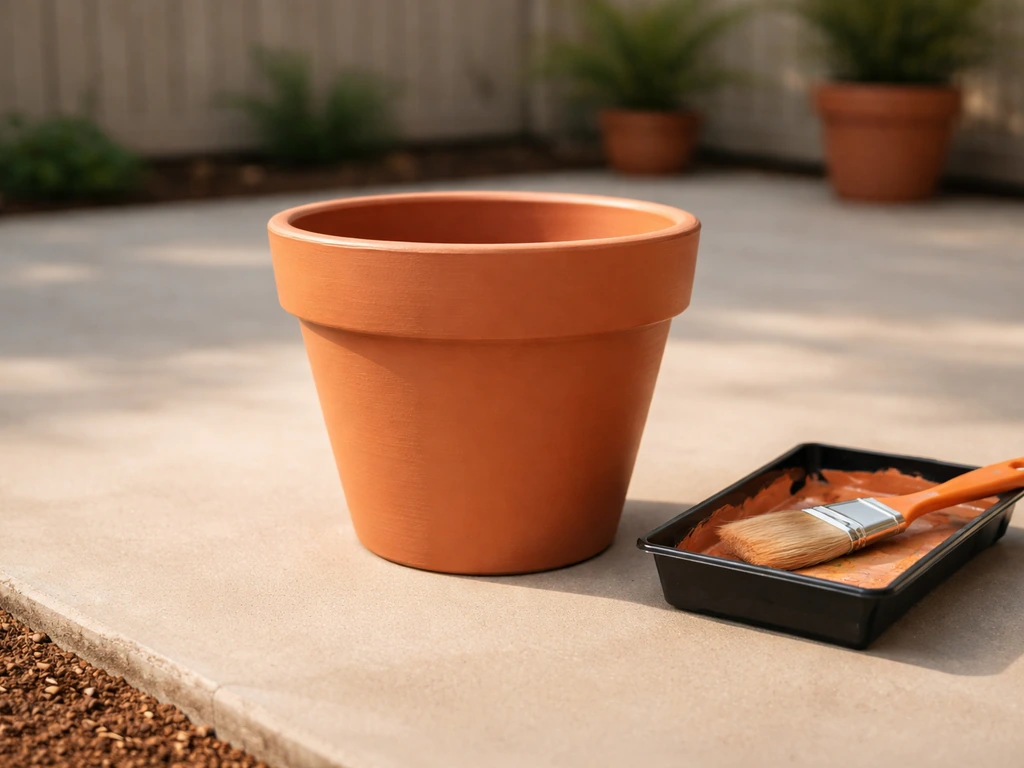
Teak patio flooring holds up remarkably well outdoors compared to most wood species, but the format you choose (loose boards nailed to joists versus snap-together modular tiles) changes almost everything: cost, install complexity, drainage behavior, long-term maintenance, and how easy it is to fix a problem section. Teak boards last longer and look more traditional, but tiles win on DIY-friendliness and replaceability. Neither choice is wrong, but picking the wrong one for your situation wastes real money, so here is what years of customer reviews and installation data actually tell you. If you are specifically shopping for Benjamin Moore floor and patio paint, the review highlights how well it covers, how it holds up outdoors, and what prep steps you should not skip Benjamin Moore floor and patio paint review.
Teak Patio Flooring Reviews: Pros, Cons, Costs, Installation Tips

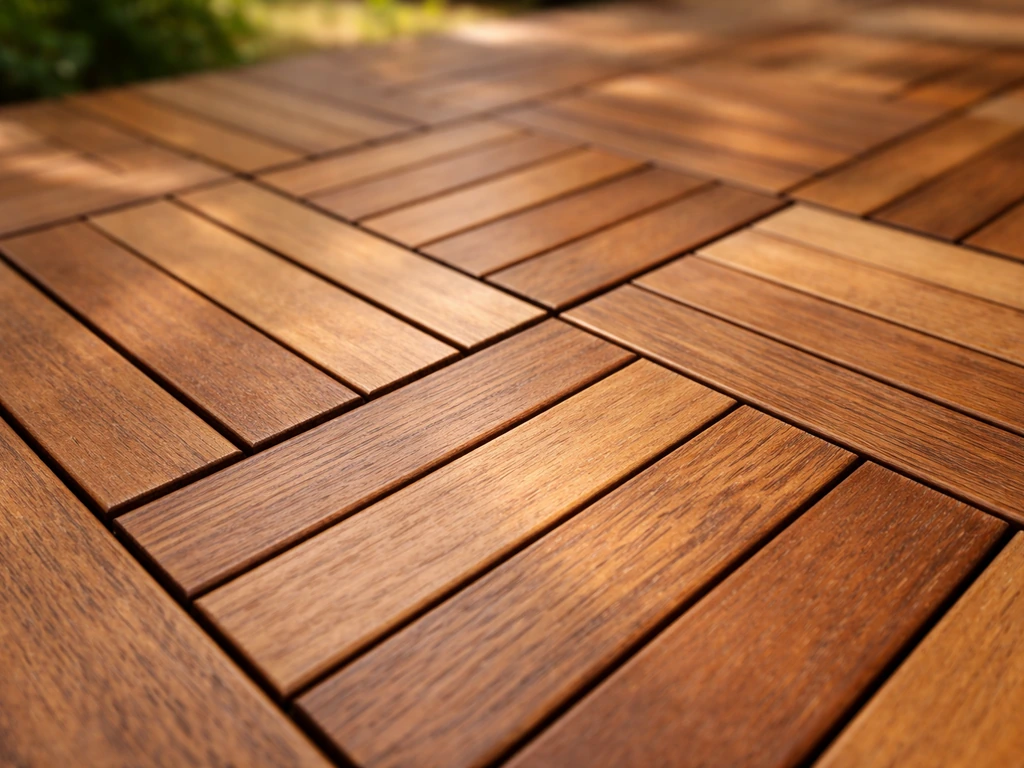
What 'teak patio flooring' actually means when you start shopping
The term covers two very different products that often show up side by side in search results. Getting them straight before you buy saves a lot of confusion.
Teak decking boards and planks
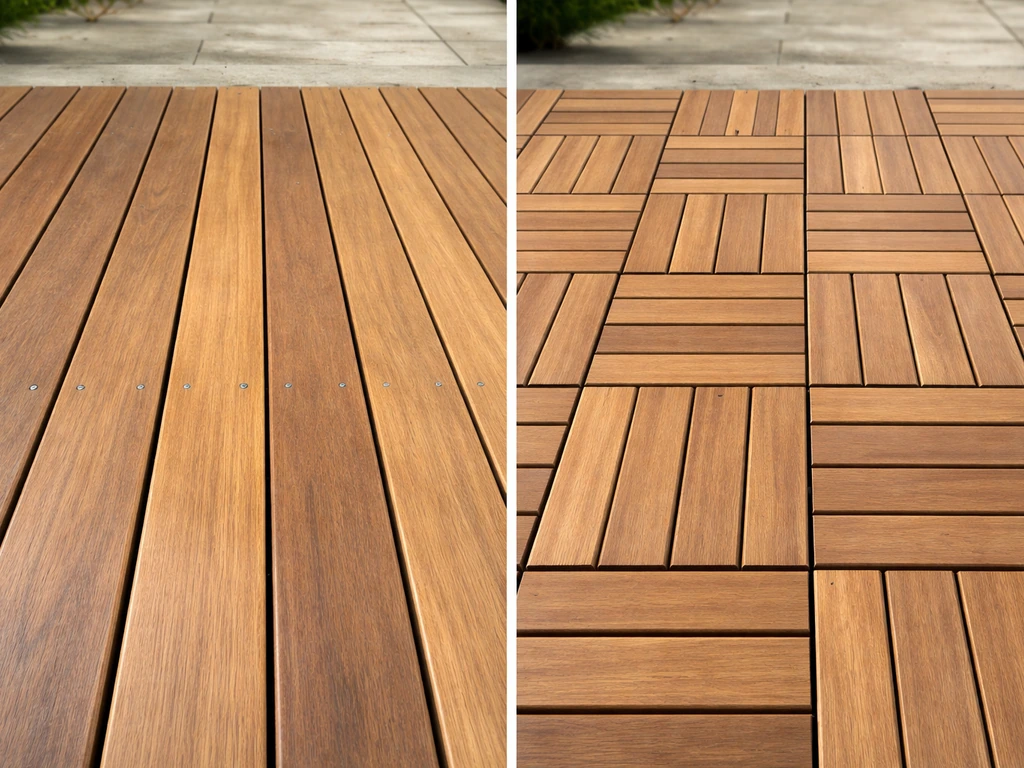
These are the traditional choice: individual boards fastened to a joist framework, much like standard pressure-treated deck construction but using dense tropical hardwood. They run anywhere from 5/4-inch to 2-inch thickness, come in standard decking widths, and are installed with proper fastener spacing and expansion gaps. Advantage Lumber’s teak deck installation guidance specifies leaving a 1/4 in expansion gap between boards to support expansion, airflow, and water drainage for both standard and pre-grooved decking. This is the format most contractors mean when they quote a 'teak deck.' It requires a proper substructure, careful fastener selection, and planned drainage gaps between every board.
Teak tile modules (snap-together or connector-based)
Modular teak tiles are pre-assembled panels, typically around 570 mm x 800 mm or similar square formats, that float over an existing hard surface like concrete, pavers, or an old deck. Brands like DeckWise WiseTile use plastic connectors to interlock panels. ETT Fine Woods markets “teak decking tiles” as an alternative to plank decking and also specifies DeckWise decking tile connectors for module installation. Corà Parquet's Modulo Teak system comes in 40 mm thick panels designed to sit on a drainage-friendly subfloor. These are designed for over-existing-surface installations and are popular for balconies, pool surrounds, and patios where digging a new substructure is impractical. Installation labor is meaningfully lower, and a damaged tile can often be swapped without disturbing the whole floor.
Teak-look alternatives
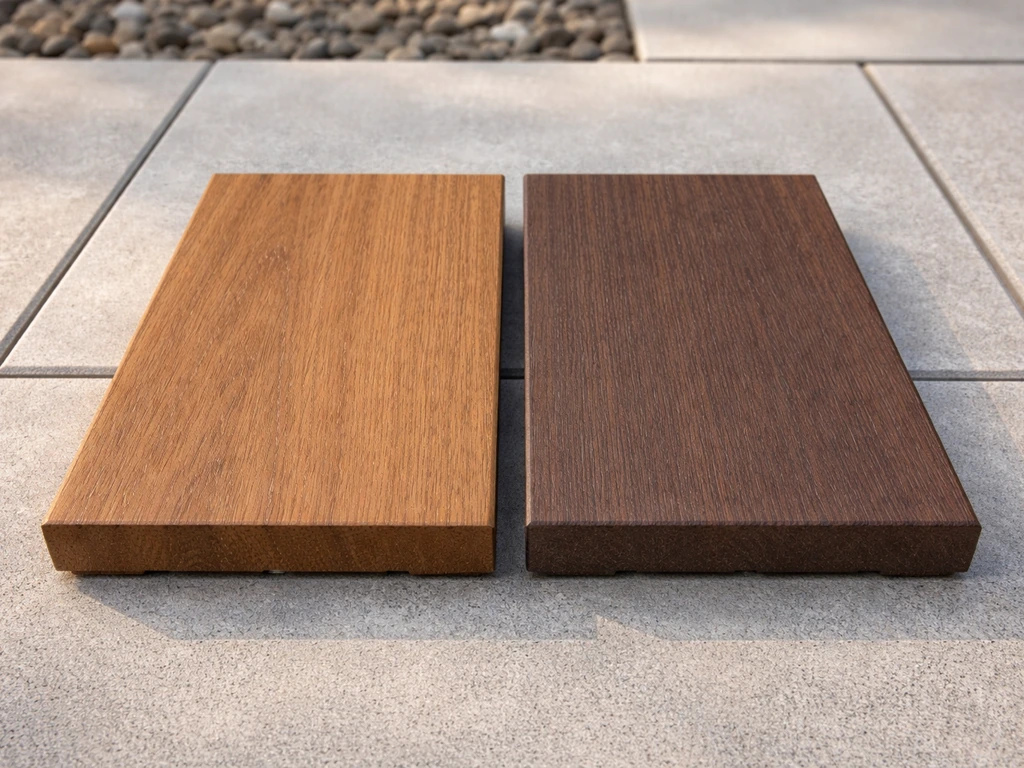
Reviewers frequently compare real teak to composite or ipe alternatives in the same breath, especially when price shock hits. If you are looking for fraser decks and patio covers reviews, the best place to start is comparing real customer feedback on installation quality and long-term coverage performance Reviewers frequently compare. Composite teak-look tiles require almost zero maintenance and hold color better, but they feel noticeably different underfoot and don't develop teak's silver patina the same way. If you spot a 'teak' product with a 25-year warranty and a price that seems too good, check the species or material carefully before ordering.
Durability and weather performance: what real reviews say
Teak's durability reputation is earned. Its natural oil content and interlocked grain make it highly resistant to rot, insects, and moisture compared to softer decking species. In warm, humid climates, reviewers consistently report boards lasting 15 to 25-plus years with basic upkeep. Deck and patio company reviews can help you compare installation quality, warranty support, and how responsive the contractor is after the sale reviewers consistently report boards lasting 15 to 25-plus years with basic upkeep.. Coastal environments are where things get more nuanced: salt spray accelerates surface weathering and, critically, salt water washes away applied teak oil almost completely according to long-term teak oil testing data. Buyers in coastal areas who expect oil treatments to last a full season are often disappointed.
Freeze-thaw climates add a different challenge. The wood itself handles cold well, but standing water that freezes in drainage gaps or beneath tiles can stress fasteners, pop connectors, and cause board edges to lift. Reviewers in northern states and Canada flag this most often with modular tile systems where drainage relies on a sloped substrate. If your patio doesn't have adequate slope for water runoff, tiles will trap moisture under the panels through winter, and the connectors suffer for it. Installation guides like DeckWise's Altitudes pedestal system explicitly flag that the substrate must have proper slope for drainage, and reviewers who skip this step report the most problems.
Hot and dry climates bring a cupping and cracking risk, especially if boards are installed too tight without expansion gaps. Reviewers in Arizona and Nevada report end-grain cracking during the first summer if boards weren't allowed to acclimate on-site before installation. High humidity swings (wet monsoon season, dry winters) amplify this.
| Climate type | Main durability risk | Format more affected |
|---|---|---|
| Hot-humid (SE US, Gulf Coast) | Surface weathering, mildew on shaded areas | Both boards and tiles |
| Coastal/salt air | Oil coating failure, surface corrosion on fasteners | Boards (fastener-dependent) |
| Freeze-thaw (Midwest, Canada) | Connector/fastener stress, trapped ice under tiles | Tiles more vulnerable |
| Hot-dry (Southwest) | End-grain cracking, cupping if not acclimated | Boards more vulnerable |
| Temperate (Pacific NW, Mid-Atlantic) | Graying, moss on shaded surfaces | Both equally affected |
How teak changes appearance over time
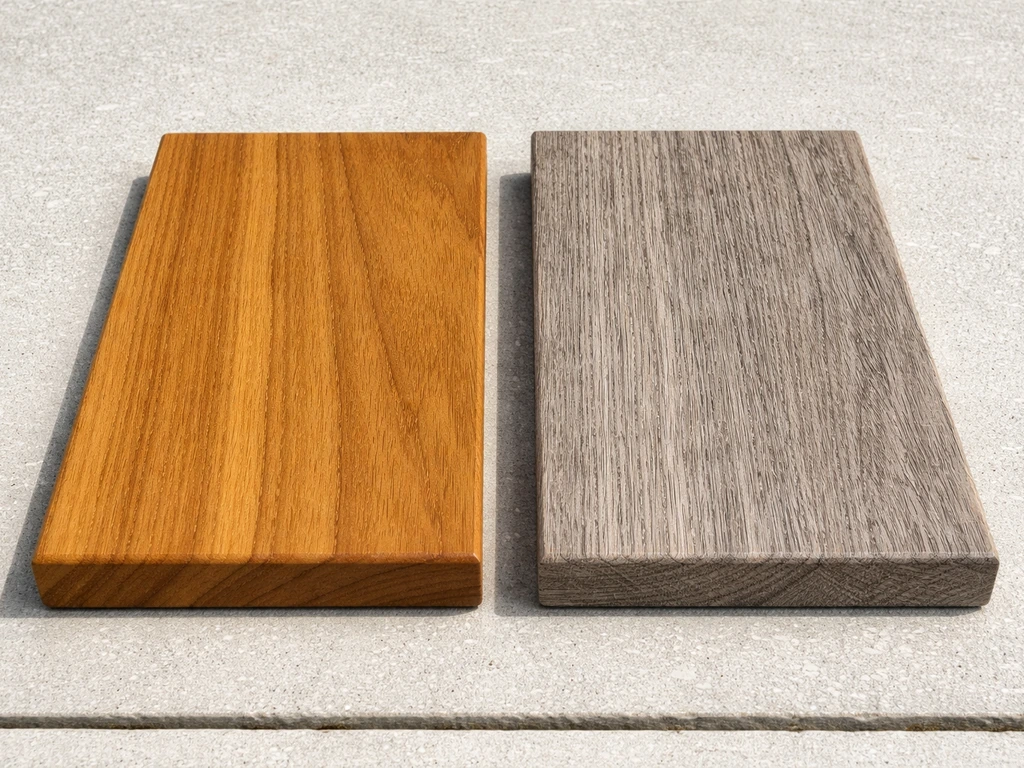
New teak is a warm golden-brown. If you leave it untreated outdoors, it will gray to a silver-driftwood color within 6 to 18 months depending on sun exposure and rain frequency. This is normal, not damage, and a lot of reviewers actually prefer the weathered silver look. The confusion comes when buyers expect the wood to stay gold without consistent maintenance, then feel misled when it changes.
If you want to preserve the golden color, you need to apply a penetrating teak oil or sealer regularly. Teak oil is short-lived as a coating and requires repeated applications to sustain results, which boats.com's real-world testing confirms. 'Regular' means every 3 to 6 months in high-sun environments, not once a year. Products like DeckWise's WiseCoat penetrating waterproofing sealer are marketed specifically for this use and sit in the mid-tier for both price and performance in customer feedback.
To maintain or restore the silver-gray look without oiling, the simpler approach is periodic washing with hot water and dish soap using a stiff nylon brush, plus an occasional dedicated teak cleaner. Boats.net notes that regular washing with the right cleaner is enough to maintain a consistent silver appearance without any oil at all. The worst outcome is inconsistent maintenance: parts of the deck get oiled, parts don't, and you end up with blotchy color variation that's harder to fix than just starting fresh.
Grain darkening and staining are the other common complaints. Tannins in teak can bleed onto light-colored pavers or concrete underneath modular tiles, leaving brown staining that is difficult to remove. Reviewers of modular tile systems on light concrete patios mention this fairly often, and it's worth placing a test tile in a corner for a few weeks before full installation.
Maintenance: what it actually takes to keep teak looking good
Teak is low-maintenance compared to many outdoor woods, but that doesn't mean no maintenance. Here's an honest breakdown of what you're committing to.
- Annual or biannual cleaning: sweep debris regularly; deep-clean once or twice a year with hot soapy water and a stiff nylon brush or a dedicated teak cleaner.
- Never use a pressure washer on teak. Teak deck care guidance from marine industry experts is explicit: pressure washing removes the softer wood grain and accelerates surface wear. This is one of the most consistent mistakes cited across both homeowner and marine reviews.
- If oiling: plan to reapply every 3 to 6 months in high-sun areas, or at minimum once a year in shadier climates. Excessive cleaning strips oil faster, so balance is key.
- If going natural gray: a biannual wash and occasional teak cleaner is all you need. Simpler, honestly.
- Check fastener plugs annually on board installations. Loose or missing screw plugs allow water to penetrate beneath the deck surface, causing damage that looks like a wood problem but is actually a fastener problem.
- Inspect tile connectors each spring in freeze-thaw climates. Cold cycling can loosen plastic connectors over a season.
The long-term upkeep cost difference between boards and tiles matters here. Boards need fastener and plug checks, possible board replacement if one warps, and refinishing of the whole surface if you want uniform color. Tiles let you pull and replace individual sections, which is genuinely useful if one panel takes heavy staining or gets damaged. On the other hand, tile connector hardware needs periodic inspection and replacement over time, and that cost is sometimes omitted from total-cost estimates.
Installation realities and the mistakes that cause most problems
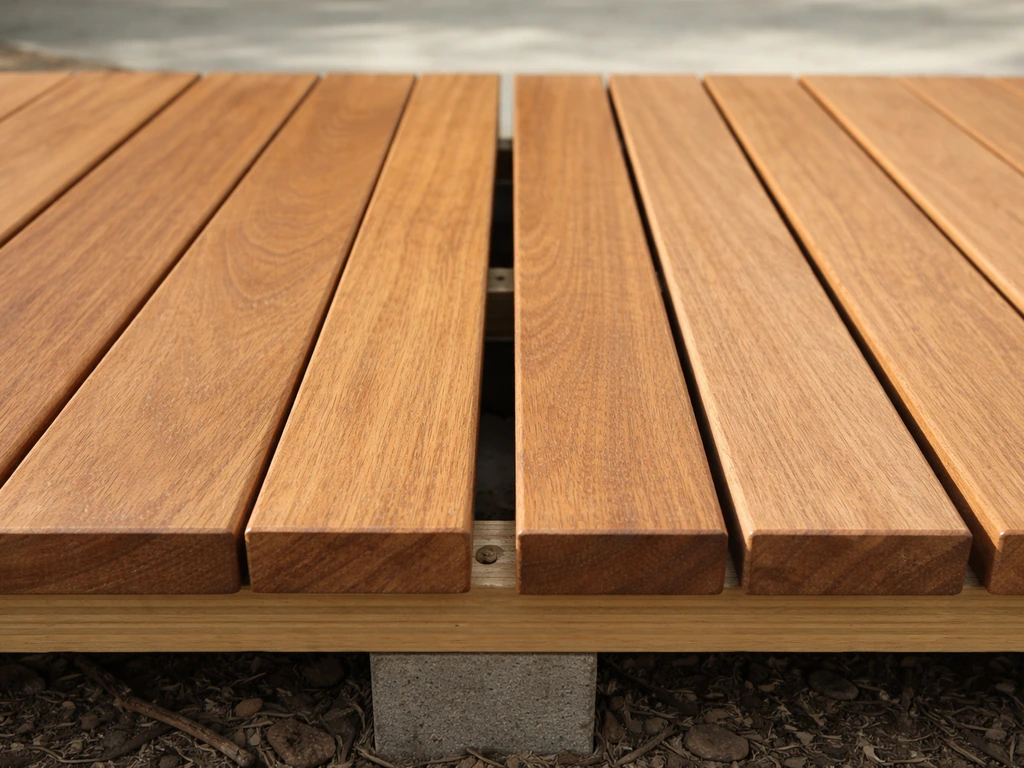
A large portion of negative teak patio flooring reviews trace back to installation errors, not product quality. Here are the specific issues that show up repeatedly.
For teak boards on a joist system
- Expansion gaps: leave a minimum 1/4-inch gap between boards for expansion, airflow, and water drainage. Boards installed tighter than this cup and buckle in humid conditions.
- Fasteners: use only 305-grade stainless steel or higher. Standard stainless or zinc-coated screws cause tannin-reactive staining and corrode prematurely. This isn't a preference, it's a requirement that many budget installers skip.
- Joist spacing: the correct on-center spacing depends on board thickness. Thinner boards need tighter joist spacing to prevent flex. Follow the manufacturer's decking-specific guidance, not generic deck framing rules.
- Acclimation: store boards flat on-site for at least 48 to 72 hours before installation so they adjust to local temperature and humidity. Skipping this in climates with big seasonal swings causes end-grain cracking within the first summer.
- Drainage: the full framing system needs to allow water to exit. Installing teak boards over a flat, drain-free substructure will cause moisture to pool under boards and accelerate rot on the supporting structure even if the teak itself survives.
For modular teak tiles
- Substrate slope is critical. Tiles float over the surface, and water must drain off quickly. A flat or reverse-sloped substrate traps water under the panels. DeckWise's own installation guides call this out directly.
- Connector quality matters as much as tile quality. The tile and its connector hardware are separate products with separate warranties in some systems (DeckWise, for example, offers a limited lifetime warranty on connectors but only a 90-day limited warranty on the WiseTile product itself). Read both documents before you buy.
- Don't install tiles over an uneven surface without leveling first. Rocking tiles crack connectors and create trip hazards.
- Allow spacing between tile runs at walls or fixed edges for thermal expansion of the whole modular field, not just individual tiles.
- Inspect tile connectors during installation, not just the tile surface. A connector installed crooked or snapped at an angle will fail long before the wood does.
Safety and comfort underfoot
Teak has a naturally high silica content that gives it good slip resistance when dry, and its open grain provides reasonable grip when wet compared to smooth composite or stone alternatives. Around pools, teak tiles consistently score well in reviews for barefoot comfort and slip performance. That said, algae and mildew growth on shaded or consistently wet sections can significantly reduce grip. This is the most common safety complaint in negative reviews: sections under overhangs or near planters that stay damp develop a slick biofilm that teak's natural oils don't prevent on their own.
Heat is less of a concern with teak than with composite or stone. Teak stays meaningfully cooler in direct sun than concrete pavers, composite boards, or PVC decking. For bare feet in a hot-sun climate like Florida or Arizona, this is actually one of teak's clearest practical advantages and shows up frequently in positive reviews from pool surrounds. If you want to see what people say after installation in your region, look up Maryland deck and patio reviews alongside these teak comfort points.
Splinters are a legitimate concern with aged teak that has been pressure-washed or heavily weathered. Once the softer grain is disrupted, surface fibers can lift and splinter. This is almost entirely preventable by avoiding pressure washing and doing light sanding or oiling before fibers lift badly. Newer or properly maintained teak rarely generates splinter complaints.
How to read reviews and pick the best option locally
Reviews for teak patio flooring products vary a lot in usefulness. Here's how to separate the signal from the noise and apply it to your actual buying or hiring decision. If you want to compare options, read decoart patio paint reviews to see how its color and durability hold up outdoors.
Green flags in reviews
- Reviewer mentions specific product grade (Grade A teak vs Grade B or C) and how it affected appearance and consistency. Grade A teak has tighter grain and fewer knots; grade differences are real and measurable.
- Reviewer describes their climate and mentions how the product held up across seasons, not just after initial install.
- Seller proactively explained acclimation requirements, fastener specs, and gap sizing before the sale.
- Installer left documentation of joist spacing, fastener type used, and expansion gap measurements.
- Reviewer updated their review 1 to 2 years after initial purchase, not just immediately after delivery.
Red flags in reviews and from sellers
- Shipping damage that the seller contested or ignored. Teak boards and tile panels are heavy and pack-sensitive; a seller who disputes obvious freight damage is a poor partner for a big outdoor investment.
- A 90-day warranty on tile product material (like DeckWise WiseTile's stated coverage period). Compare this carefully against what you'd get from a board product or competing tile brand before assuming warranties are equivalent.
- Warranty only honored through authorized dealers. DeckWise and similar brands explicitly state this; buying through a third-party marketplace or unauthorized retailer voids your coverage.
- Contractor who doesn't mention fastener grade, expansion gaps, or drainage when quoting the job. These are foundational details; an installer who doesn't raise them probably isn't following manufacturer specs.
- Reviews that mention 'looks great' with a photo but were posted within the first 30 days of installation. Beautiful teak always looks good when new; what you want are reviews from 12 to 24 months post-install.
Questions to ask a local contractor or seller before committing
- What grade of teak are you supplying, and can I see grade documentation or a sample?
- What fastener spec will you use, and why? (Correct answer: 305-grade stainless steel or higher.)
- What expansion gap are you planning between boards, and how does that match the manufacturer's spec for the board thickness you're using?
- How is drainage handled under this installation? Walk me through where water goes.
- What is the warranty on the material, and does it require purchase through an authorized channel? Can you show me that you're an authorized dealer?
- Have you installed teak specifically in this climate before, and what maintenance schedule do you recommend for my conditions?
- If I'm going with tile modules, what's the warranty on the connector hardware separately from the tile?
Using a review aggregator to vet local contractors
One of the most practical steps before hiring anyone for a teak patio install is checking reviews of local patio contractors, not just reviews of the product itself. The product might be excellent but installed by a crew that cuts corners on fastener grade or skips acclimation. Sites that aggregate verified reviews from actual customers of patio companies and specialty outdoor retailers in your area give you a clearer read on installer reputation than a manufacturer's dealer locator alone. Look specifically for reviewers who mention their climate, the product used, and how the project held up after one full seasonal cycle. If you're comparing contractor options in a specific region, the same research approach applies whether you're looking at a teak install or evaluating deck and patio companies more broadly.
Your shortlist framework before you buy
- Measure your space and determine whether your subfloor or existing surface supports boards (needs a joist frame) or tiles (needs a solid, sloped, drain-friendly base).
- Decide your maintenance tolerance honestly: if you won't oil every 3 to 6 months, plan for gray and maintain accordingly, or consider tiles that can be replaced individually when worn.
- Confirm your climate's main risk from the table above and check that the seller or contractor addresses it specifically in their recommendation.
- Verify authorized dealer status for any brand-specific warranty you're counting on.
- Pull reviews for local patio contractors from aggregator sources, not just the contractor's own website, and look for reviews from customers 12-plus months out.
- Get at least two quotes that both specify fastener grade, gap sizing, and drainage approach in writing. Any quote that omits these details is incomplete.
FAQ
How do I tell if I’m looking at real teak patio flooring versus a teak-look product?
Check the species or material description carefully, especially when a listing mentions a very long warranty at a low price. Real teak typically presents as natural wood with visible grain and will weather to silver if left untreated, while “teak-look” products are often composite or coated materials that behave differently and may not develop the same patina.
What expansion gap size should I plan for with loose teak boards?
Plan for expansion gaps between boards and at the perimeter, and confirm the recommended spacing for the exact board thickness you buy. Skipping or reducing gaps is a common driver of cupping and end-grain cracking in hot, dry climates, and connectors or fasteners can also be stressed when wood movement is constrained.
Do teak tiles really work on a flat patio, or do I still need slope?
Even with modular tiles, you need adequate drainage slope so water does not sit beneath panels through winter. If your substrate is nearly flat, pooled moisture can lead to lift at edges, connector stress, and more slippery biofilm growth in shaded or wet areas.
Can I install teak tiles over existing pavers without leveling or preparing the base?
You usually need a stable, properly prepared surface so the interlocking system sits evenly and drainage paths remain open. If the base has dips or weak spots, connectors take the load unevenly, which reviewers often interpret as “poor product quality” later.
How long should teak oil last on a patio, and what’s the most common maintenance mistake?
Expect oil to be short-lived outdoors, especially in high-sun conditions, and plan for repeated applications rather than a once-a-year routine. The most common mistake is partial or inconsistent oiling, which creates blotchy color differences that are harder to unify than simply returning the whole area to a consistent baseline.
Is pressure washing a bad idea for teak patio flooring?
Yes, it’s one of the biggest causes of later splintering complaints. If cleaning is needed, use gentler methods (hot water and appropriate cleaners) and avoid blasting the surface, because once fibers are lifted, they can keep catching water and debris.
Why does my teak patio develop brown stains on nearby concrete or pavers?
Tannins can bleed downward, especially under modular tile systems on light concrete, leaving persistent brown spotting. A practical approach is testing a tile or board section in a corner for several weeks to see whether bleed-through happens on your specific substrate and then adjusting placement, cleaning routine, or finish strategy.
What should I inspect after installation to avoid early failures?
After the first heavy rain and after winter, check for lifting edges, loose connectors (for tiles), and any fastener movement or plug gaps (for boards). Catching these early prevents trapped moisture from accelerating algae and mildew, which reviewers report as a major slipping hazard.
How do I reduce algae and mildew buildup in shaded or wet corners?
Increase drying where possible, and clean promptly when areas stay damp. Teak can be slip-resistant when dry, but consistently wet shaded sections can develop slick biofilm that natural oils do not prevent, so timely wash-down and keeping drainage clear are key.
What’s the smarter choice for repairs, loose boards or modular tiles?
Choose based on how your patio is likely to get damaged. Tiles are easier to swap when one panel stains or breaks, while loose boards require more work if one section warps or needs replacement and may involve refinishing to match color across the surface.
Should I expect teak to stay golden-brown for the long term?
Not without maintenance. Unfinished teak naturally greys from weathering within roughly months, and expecting it to remain warm golden-brown without consistent treatment leads to buyer disappointment. If you prefer the gold look, decide upfront on an oiling or sealing schedule that fits your sun exposure and rainfall.
Does teak patio flooring affect barefoot comfort and slipperiness near pools?
Teak generally performs well for barefoot comfort and grip compared with smoother materials, but wet biofilm can still reduce traction. If your patio is near a pool and stays wet or shaded, plan a cleaning routine and watch for algae hotspots rather than relying on teak’s natural oils alone.
DecoArt Patio Paint Reviews: What Works for Real Outdoors
DecoArt patio paint reviews summarized for real outdoor use, with durability, prep, curing, and maintenance tips.